
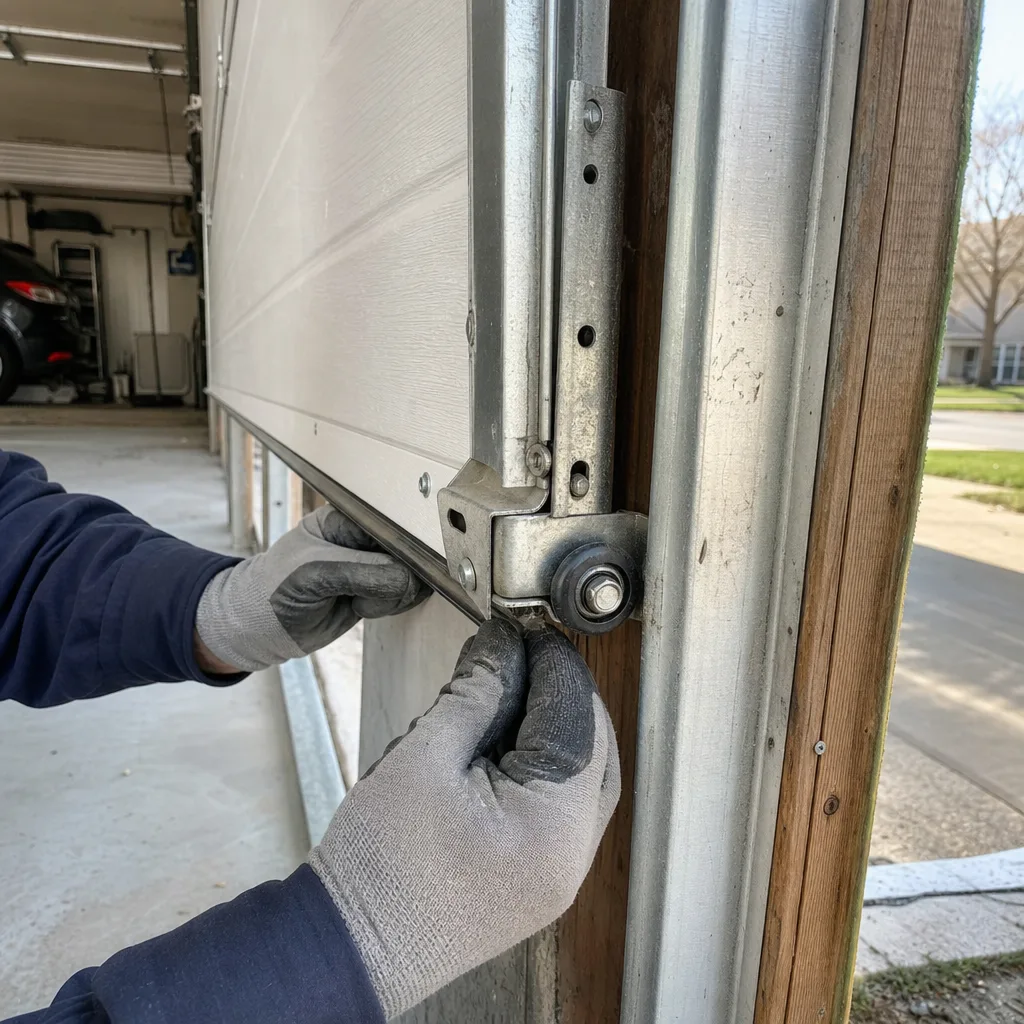
Last updated November 21, 2026
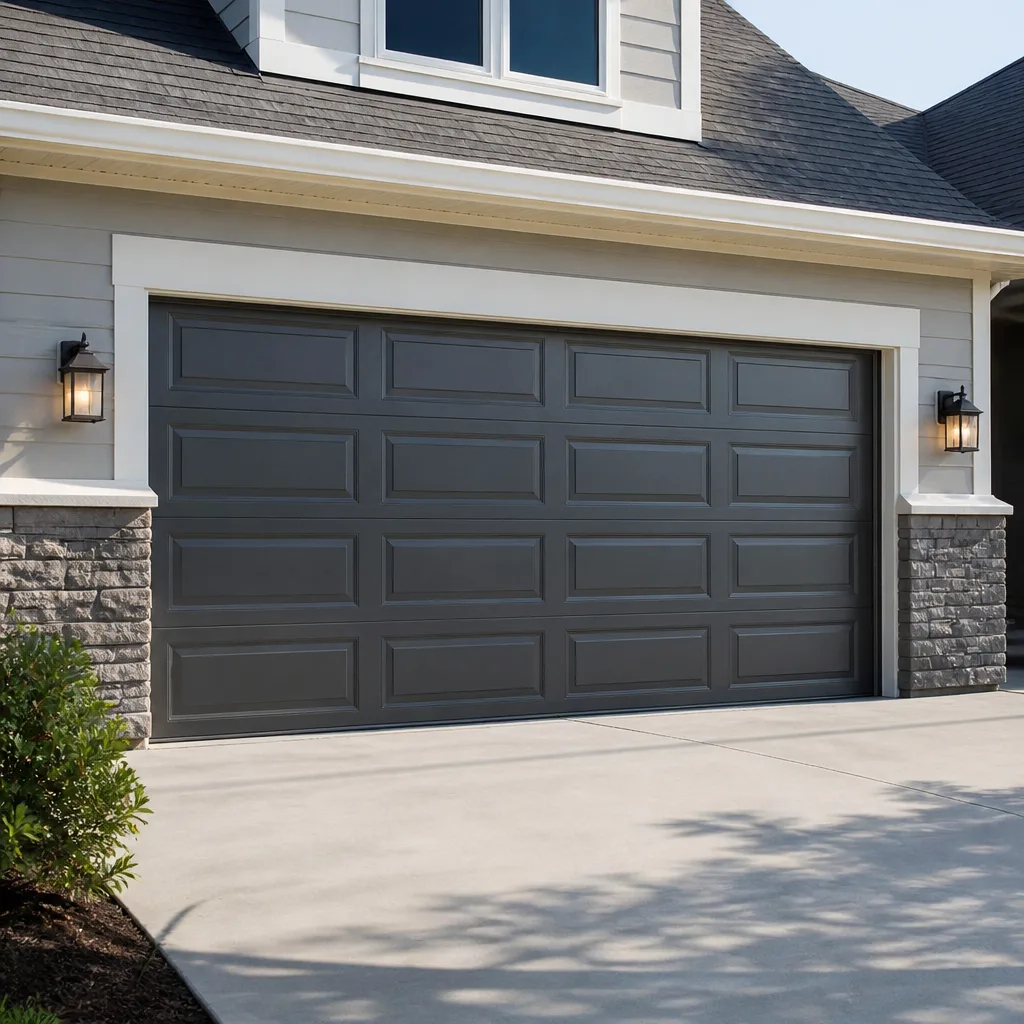 Raised-panel steel
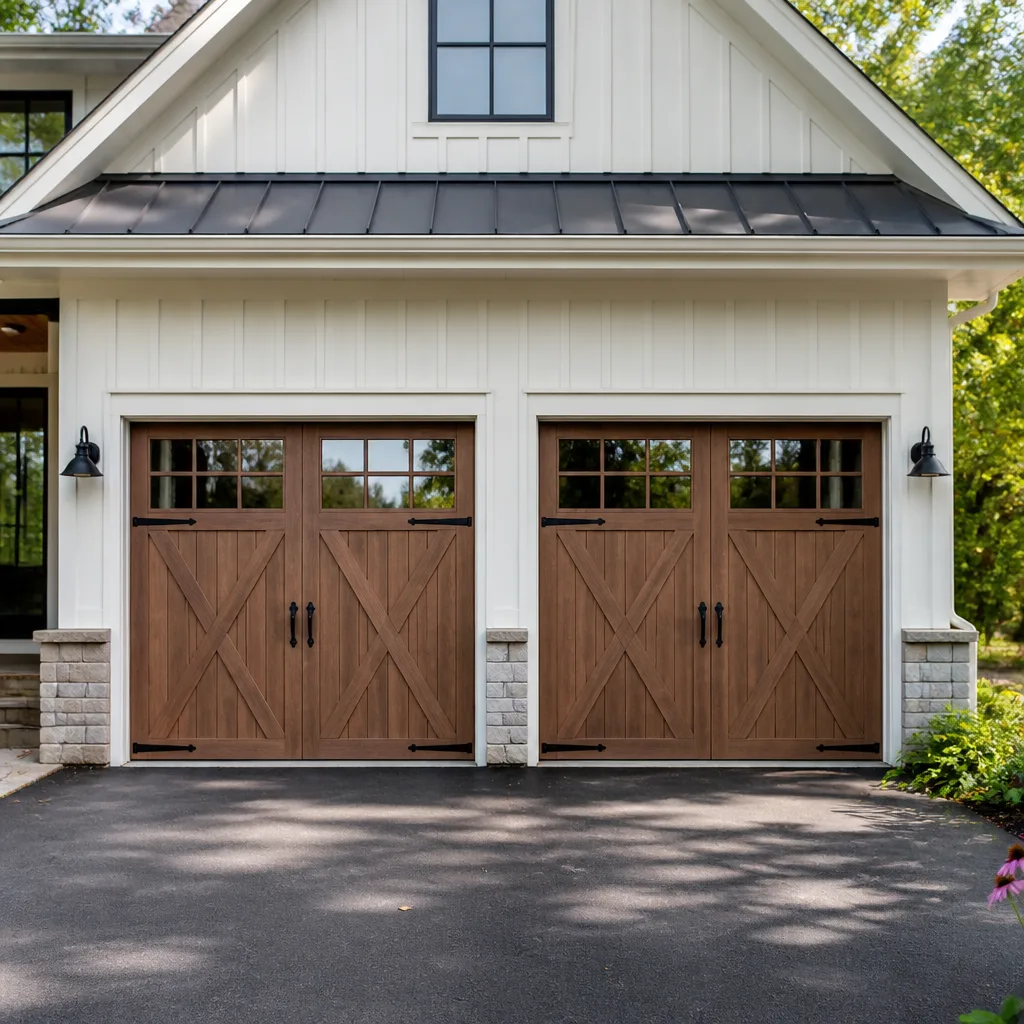 Carriage house
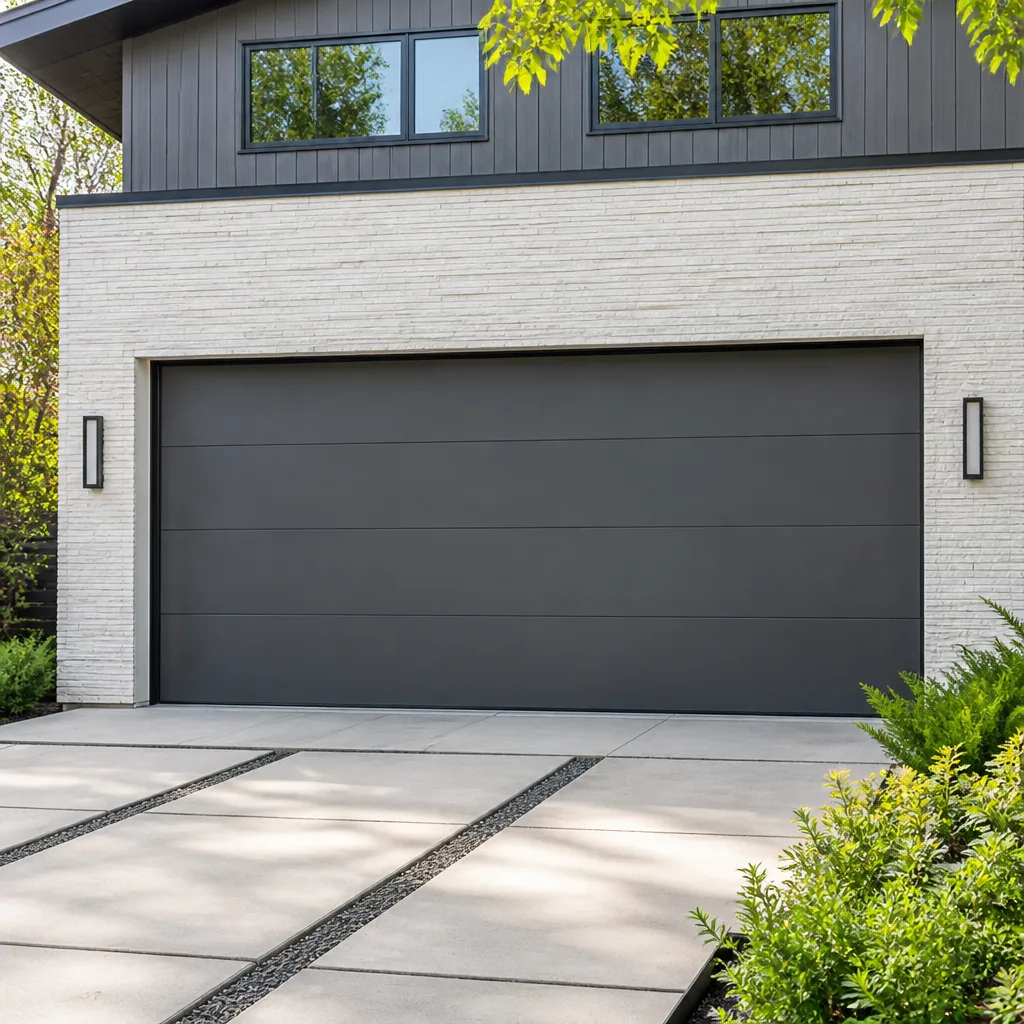 Modern flush
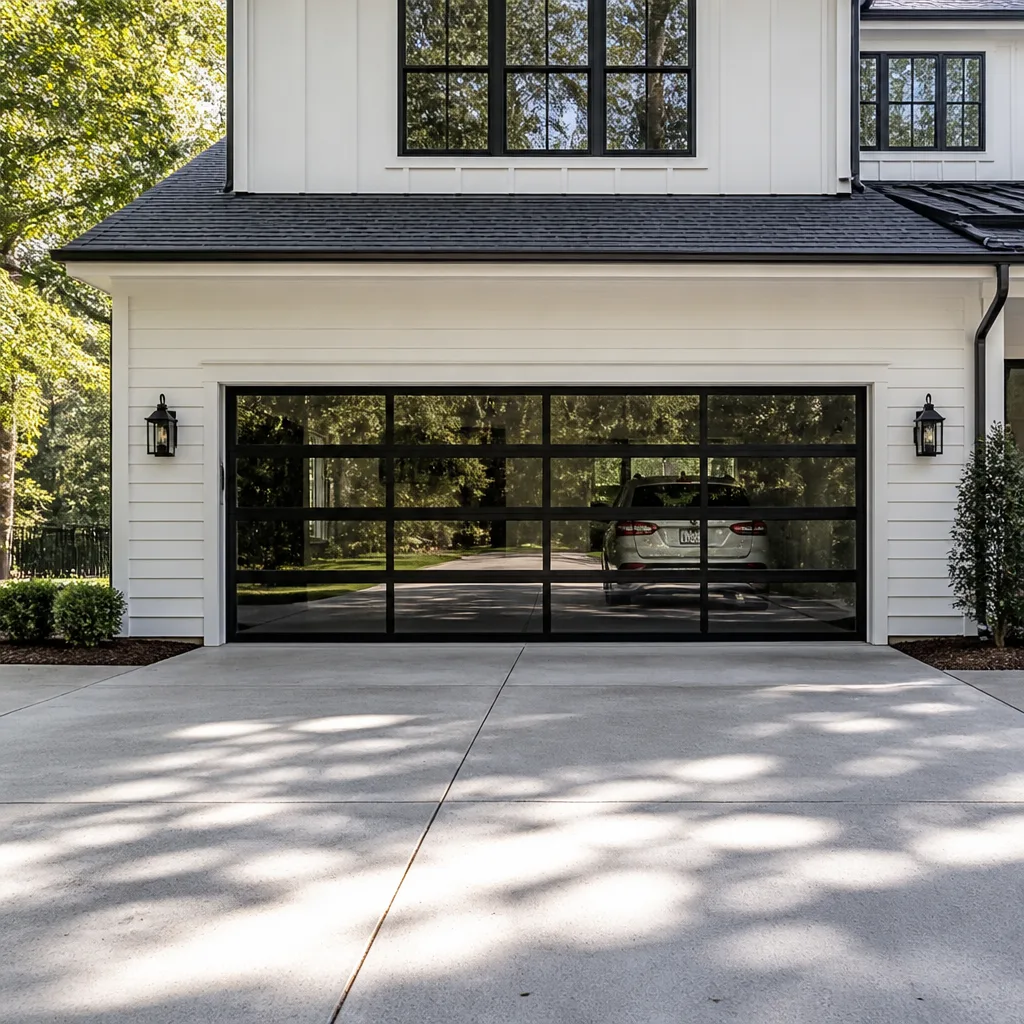 Full-view glass
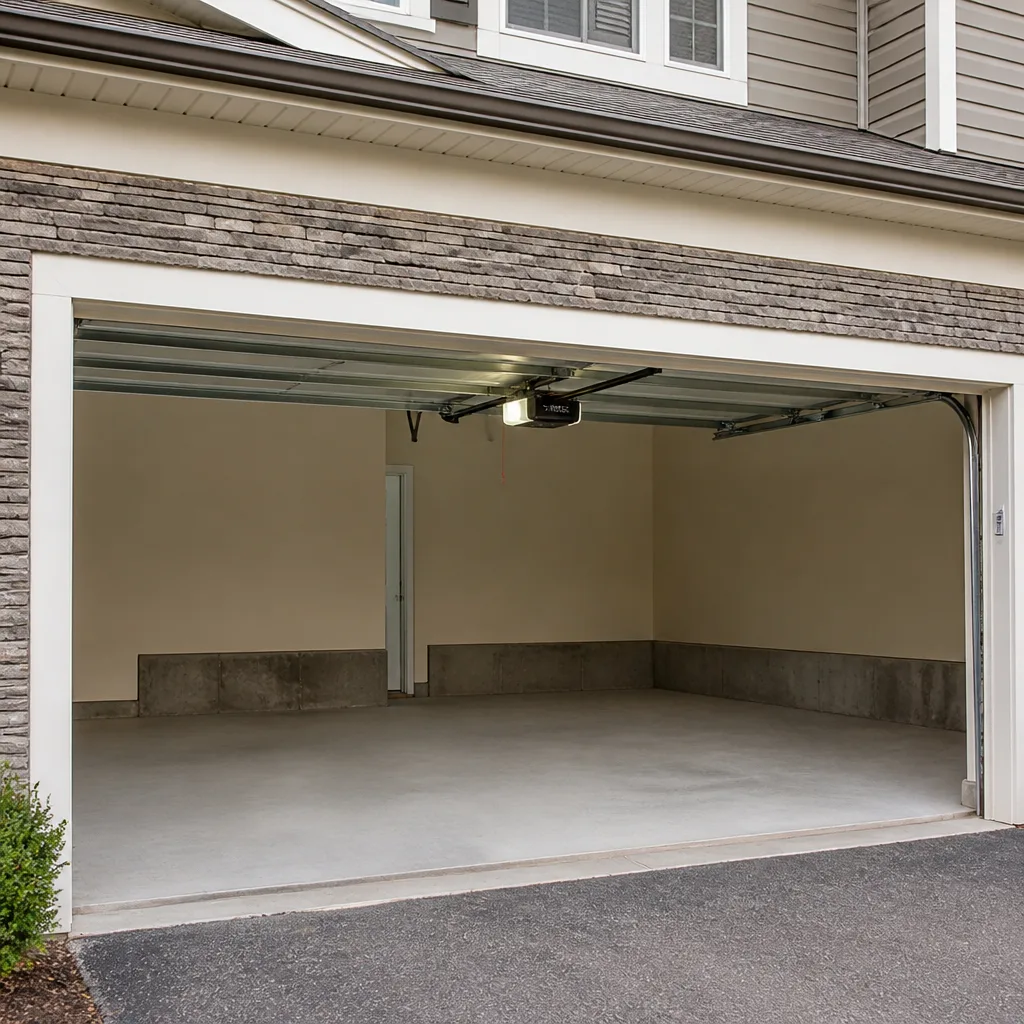 LiftMaster openers
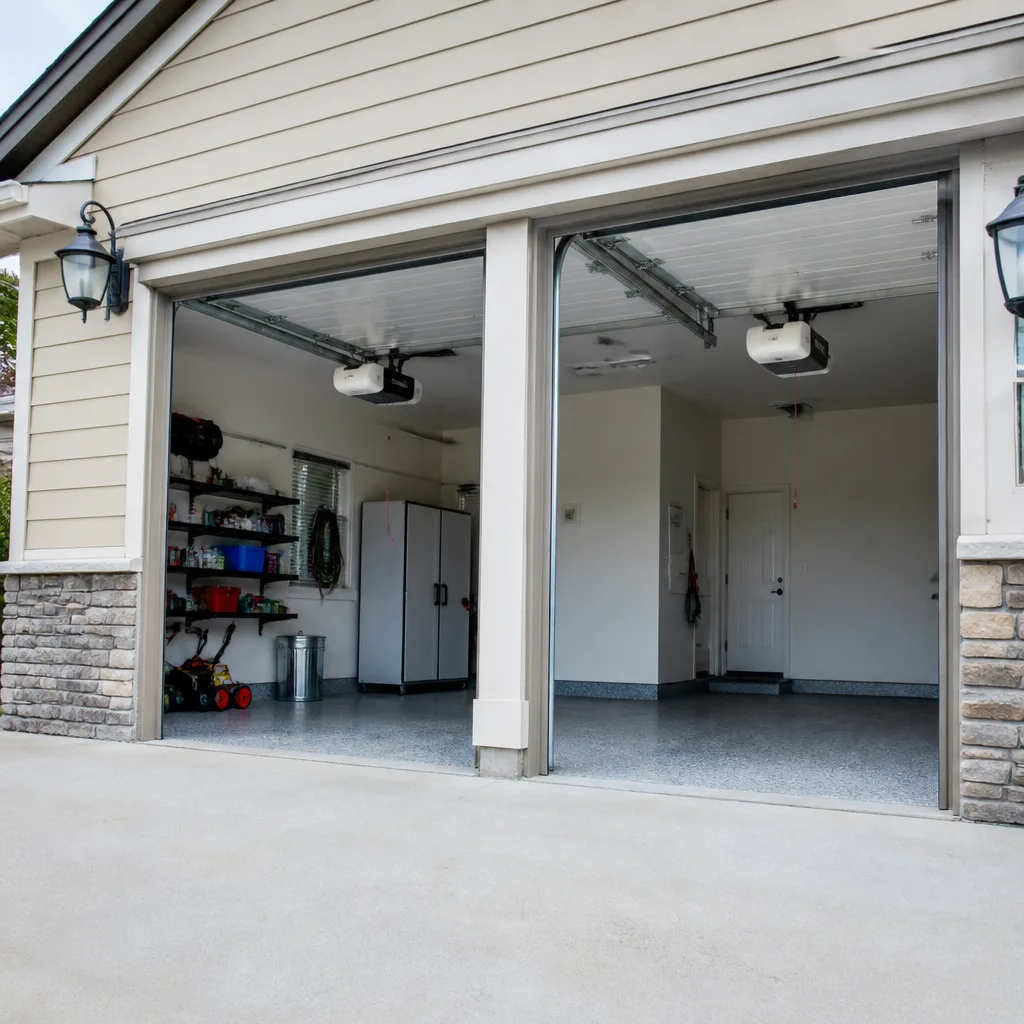 Chamberlain openers
Full 25-point door and opener safety check with every visit - springs, cables, rollers, tracks, and your LiftMaster or Chamberlain opener included
You get a price before we start. It does not change when the pro arrives.
Get your free estimateChoosing the Right Garage Door Brand: A Buyer’s Guide for Elmhurst
Most Elmhurst homeowners pick a garage door brand the way they pick a paint color: they look at the showroom display, point at the one that looks nice, and let the contractor handle the rest. That works until two winters later, when a dented bottom panel needs replacing and the brand you chose turns out to have no nearby parts source. The panel steel looks identical under showroom lighting, but Clopay and Wayne Dalton doors differ in gauge, insulation value, and dealer support in ways that only show up after the install. This guide covers how to read those differences before you sign, what actually matters for Elmhurst’s attached-garage housing stock, and how warranty language behaves when you sell the home.
Quick Answer
The right garage door brand for an Elmhurst home is the one with strong local parts availability, a steel gauge that matches your door’s exposure, and a warranty that transfers to the next owner. In practice, that often means Clopay for its Queens-area dealer depth, Amarr for insulated doors on attached garages, or Wayne Dalton for low-headroom installs. The brand matters less than the fit between the door, your opening, and what you can actually get replaced in a hurry.
Styles & brands we work with
- Raised-panel steel
- Carriage house
- Modern flush
- Full-view glass
- LiftMaster openers
- Chamberlain openers
Table of Contents
- Why garage door brand matters more than most buyers think
- Clopay vs. Wayne Dalton vs. Amarr: the three brands most common in Elmhurst
- Why insulation R-value matters in Elmhurst attached garages
- The parts availability test: how fast can a replacement panel arrive?
- Warranty transfer: what actually passes to the next owner
- Opener brand pairing: LiftMaster, MyQ, and smart home fit
- A step-by-step way to choose a brand for your Elmhurst home
- Common mistakes to avoid
Why Garage Door Brand Matters More Than Most Buyers Think
A garage door is a system, not a single product. The panel you see is one part; behind it sit torsion or extension springs, a track, hinges, rollers, a cable drum bracket on each side, and the opener’s drive system. Each of those parts is sized and shaped by the brand. When one fails, the brand decides how fast you get back to working order. That’s the practical reason brand selection matters in Elmhurst, more than the shade of the paint or the window pattern.
The second reason is warranty language. Brands that advertise a “lifetime” warranty on a steel panel typically cover the panel against rust-through, not the finish peeling off, not the springs, not the hinges, not the opener. Those come under separate, shorter warranties. Knowing which is which before you buy keeps you from expecting coverage on a hinge failure five years from now.
The third is local dealer support. Queens is dense enough that several brands maintain real distribution within the borough. Others rely on national shipping, which can turn a two-day repair into a two-week wait. At Elmhurst Garage Door Repair Pros, we work on whatever brand is already on your home, and that includes the eight major names: LiftMaster, Chamberlain, Genie, Clopay, Amarr, Wayne Dalton, Craftsman, and Raynor. We’ve seen which brands stay easy to service here and which get harder over time.
- Parts geometry: each brand’s panels, hinges, and roller placement are unique. A replacement part has to match the brand and often the model.
- Warranty structure: panel, finish, hardware, and springs are usually covered under different terms with different lengths.
- Local distribution: how quickly a part can be sourced in Queens, not nationally, drives your repair timeline.
- Opener pairing: the door brand doesn’t have to match the opener brand, but some combinations integrate more cleanly with smart home systems.
Clopay vs. Wayne Dalton vs. Amarr: The Three Brands Most Common in Elmhurst
Three brands dominate Elmhurst’s residential garage doors: Clopay, Wayne Dalton, and Amarr. Each has real strengths, and the right choice depends on the shape of your opening, the construction of your house, and whether the garage shares a wall with living space. Here’s how they compare on the factors that matter for a Queens install.
Clopay
Clopay has the widest dealer network in Queens, which is the single biggest reason it’s the default choice for many Elmhurst installs. On the Classic Steel line, 25-gauge steel is the standard for the panels, which is a solid mid-range gauge for a residential door. The Coachman series adds insulation to an R-value of 16, which matters if you have an attached garage. Replacement panels and common hardware are usually easy to source locally, so repairs move quickly. Clopay doors pair cleanly with LiftMaster and Chamberlain openers, which covers the two most common smart-home ecosystems in the area.
Wayne Dalton
Wayne Dalton uses lighter panel construction, which isn’t automatically a downside. For lower-headroom installs, where ceiling clearance is tight, the lighter panels and lower-profile track combination can fit where a heavier door won’t. On the trade-off side, lighter steel is more prone to dents from a bike handlebar, a stray basketball, or a car door, so it’s a poor fit for a busy household with kids. Parts availability is good, though slightly behind Clopay in typical Queens turnaround. If your Elmhurst garage has limited overhead space, Wayne Dalton is worth a hard look.
Amarr
Amarr sits in the mid-range on steel gauge and is strong on insulated doors, which makes it a natural fit for attached garages where the door shares a wall with a bedroom, kitchen, or living room. The insulation build on Amarr’s insulated lines is competitive with Clopay’s mid-tier products, and the panel lineup offers a good range of styles for homeowners who want a wood-look door without wood maintenance. Distribution in Queens is decent, and the brand holds up well under regular repair work. For a family home in Elmhurst with an attached garage, Amarr is often the value play.
What none of these brands will fix is a bad installation. A well-made door on a poorly set track will bind, wear out its rollers early, and eat through an opener’s drive gear. If your door is already in trouble, our garage door repair page covers the common failure points and what a real diagnosis looks like.
Why Insulation R-Value Matters in Elmhurst Attached Garages
An uninsulated steel door on a garage wall that shares heat with your living space adds real load to your heating system. That’s not a marketing claim; it’s basic building physics. The steel panel is a thermal bridge, and if the back of the garage is where your kitchen or a bedroom wall sits, the cold comes through. Insulation closes that gap. The R-value is the number that tells you how well.
For context on the scale: a basic uninsulated steel door sits at roughly R-6.3, meaning about 6.3 units of thermal resistance. Clopay’s Coachman series is rated at R-16, a substantial jump. Amarr’s insulated lines land in similar territory. The difference shows up in two places: how cold the garage feels in January, and how much your boiler or furnace runs to keep the adjacent rooms at temperature.
For a detached garage, an uninsulated door is fine. You’re not heating the space and you don’t need the R-value. For an attached garage in Elmhurst, especially one under a bedroom or next to a kitchen, insulation is worth the cost. It’s the difference between a garage you can use as a workshop or storage room in winter and one that closes off from November to March.
- Detached garage: basic uninsulated steel is fine. R-value isn’t the deciding factor.
- Attached garage, wall shared with living space: insulated door in the R-12 to R-16 range pays back in comfort.
- Garage under a bedroom: insulated door plus a well-sealed perimeter keeps the floor above warmer.
- Heated garage or workshop: insulation is essential. Uninsulated steel will bleed heat continuously.
The Parts Availability Test: How Fast Can a Replacement Panel Arrive?
Here’s a question most buyers never ask until it’s too late: if the bottom panel gets dented or the cable drum bracket fails, how quickly can the part be sourced? The answer depends almost entirely on whether the brand has a Queens distributor with the part in stock, or whether it has to ship from a national warehouse. The gap can be two days versus two weeks.
The parts most likely to need replacing on any garage door are the bottom panel (it takes the most impact), the cable drum bracket (it carries the highest load), and the rollers and hinges (they wear out with use). Each of those is brand-specific in shape and fit. Generic aftermarket parts exist for some, but a proper repair uses the brand’s own replacement, which is where the distribution question lands.
- Ask which brands the installer can source locally. Clopay is typically the strongest in Queens. Wayne Dalton and Amarr are both serviceable, with slightly longer turnaround on less common parts.
- Ask how long a replacement bottom panel takes. Two to three days is a good answer. Two weeks is not, especially if the door is currently unusable.
- Ask about the cable drum bracket. This is the part most installers don’t stock. If your brand can’t source it quickly, a broken bracket can lock the door down.
- Check the opener parts chain separately. LiftMaster and Chamberlain parts are widely stocked locally. Genie parts are good, though less common. Craftsman and Raynor parts can take longer.
If you’re stuck mid-repair and the door won’t lift or close, our Elmhurst Garage Door Repair Pros page is where to start, and we can usually tell you on the call whether your brand’s part is going to be a quick fix or a wait.
Warranty Transfer: What Actually Passes to the Next Owner
Elmhurst’s housing market turns over regularly, and a garage door warranty question comes up at nearly every sale. Most brands allow the warranty to transfer to a new homeowner, but the fine print matters. “Lifetime” on a steel panel usually means rust-through of the steel itself, and it’s typically prorated after a set number of years. That is not the same as a lifetime warranty on the door.
Here’s how to read the warranty document before you buy:
- Panel warranty: usually the longest term, and usually covers rust-through only. Dents and scratches from use are not covered.
- Finish warranty: separate, shorter, and specifically about paint or overlay peeling, blistering, or fading.
- Hardware warranty: hinges, rollers, and track. Typically one to three years.
- Spring warranty: separate again, and often short. Springs are a wear item, not a defect item.
- Opener warranty: separate company entirely. LiftMaster and Chamberlain both offer their own terms, and those terms do not move with the door warranty.
- Transfer clause: read for whether the warranty transfers automatically or requires registration by the new owner, and whether there’s a transfer window.
For a home sale, the clean answer is: ask the installer for the full warranty document, not the summary on the brochure, and confirm the transfer clause in writing. If the seller can hand the buyer a registered warranty, that’s one less negotiating point at the closing table.
What “Lifetime” Usually Covers vs. Excludes
The word “lifetime” appears on almost every premium door warranty and almost always means the life of the door, not yours. It covers the steel panel against rust-through (perforation from the inside out), not cosmetic rust, not dents, not scratches, not the paint. Springs, hinges, and rollers have their own shorter terms. If a warranty summary doesn’t say what’s excluded, ask for the full document. The exclusions list is where the real coverage picture lives.
Opener Brand Pairing: LiftMaster, MyQ, and Smart Home Fit
The door brand and the opener brand don’t have to match. A Clopay door works fine on a LiftMaster opener, and a Wayne Dalton door works fine on a Chamberlain opener. What matters is whether the opener integrates with the smart home system you want to use, and whether the door’s weight and balance are set up correctly for the opener’s drive system.
LiftMaster’s MyQ ecosystem is the most common smart-home integration in Elmhurst homes. It works cleanly with a wide range of door brands because the integration lives on the opener side, not the door side. Chamberlain’s myQ service is essentially the same system under a different name. Genie has its own app-based integration, which is solid but less commonly used in this area.
Where pairing becomes a real question is when a door brand’s opener “package” is sold together with the door. If the package uses a proprietary opener, you may end up needing a bridge device to integrate it with MyQ, or you may lose the smart-home app entirely. The fix is to ask which opener will be installed and whether it supports MyQ natively before you sign. If you already have a smart opener and the door is the problem, our garage door opener repair page covers the common failure points across LiftMaster, Chamberlain, Genie, and Craftsman units.
- LiftMaster opener: native MyQ support, wide door brand compatibility, most common setup in Elmhurst.
- Chamberlain opener: same myQ platform, similar integration, good for budget-conscious installs.
- Genie opener: own app, works reliably, less common locally so replacement parts take slightly longer.
- Craftsman opener: legacy units are common on older Elmhurst homes; repair parts are available but smart integration is limited.
A Step-by-Step Way to Choose a Brand for Your Elmhurst Home
Here’s the sequence we’d walk a homeowner through if they called us for advice before buying. It works whether you’re replacing a single panel or ordering a full new door, and it keeps you from picking a brand that looks good on a showroom floor but gets expensive to own.
- Measure your opening and headroom first. Door width, height, and the space above the door (headroom) determine which brands and models fit. Tight headroom pushes you toward Wayne Dalton or a low-profile track setup. Standard headroom opens up the full field.
- Decide whether you need insulation. Detached garage with no heat: skip it. Attached garage sharing a wall with living space: choose an insulated model in the R-12 to R-16 range. This is the single biggest comfort decision you’ll make.
- Check local parts availability for your shortlist. Clopay is the strongest in Queens. Amarr and Wayne Dalton are both workable. Ask your installer how long a bottom panel and cable drum bracket take to source for each brand on your list.
- Read the warranty in full. Confirm what’s covered on the panel, the finish, the hardware, the springs, and the opener separately. Confirm the transfer clause for the next owner.
- Choose the opener for the smart home, not the door. LiftMaster or Chamberlain with MyQ if you want app control. Genie if you’re already in that ecosystem. Confirm the opener works independently of the door brand.
- Get a free measure and a written price. A door install is a measured job: the opening, the headroom, the track configuration, and the spring sizing all get set before you order. That’s why we quote these in writing after a measure, not over the phone.
If you’re installing a new door rather than repairing one, our garage door installation page walks through what the measure covers and how the install sequencing works. It’s also where to start if you’re still deciding between repairing the current door and replacing it.
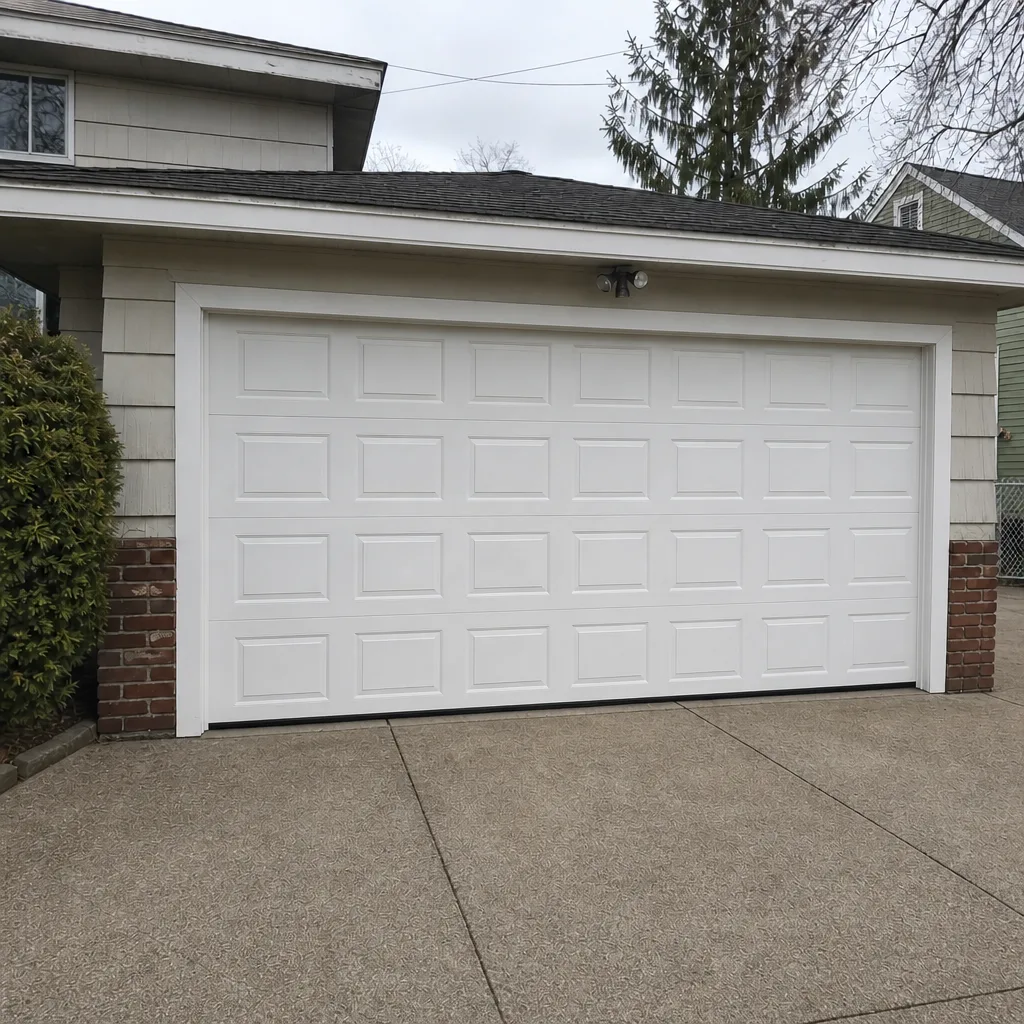
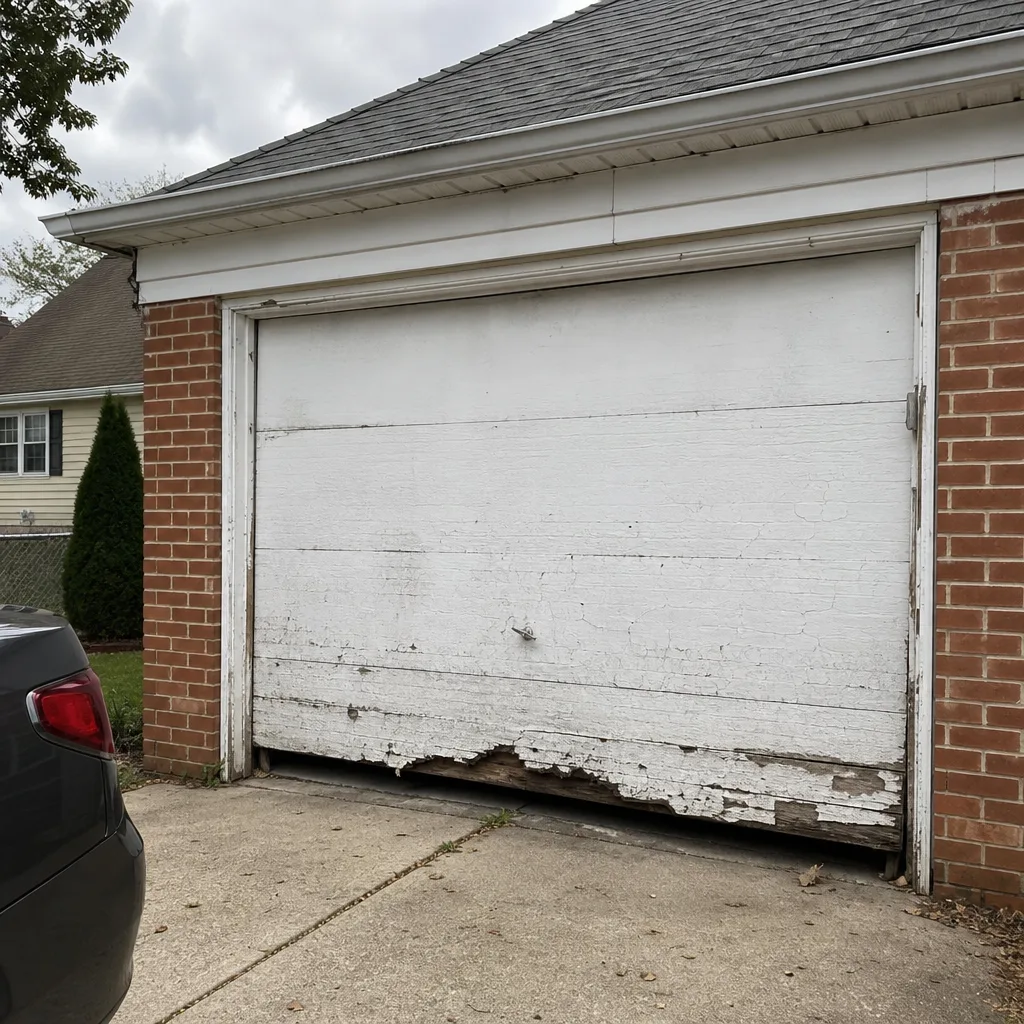
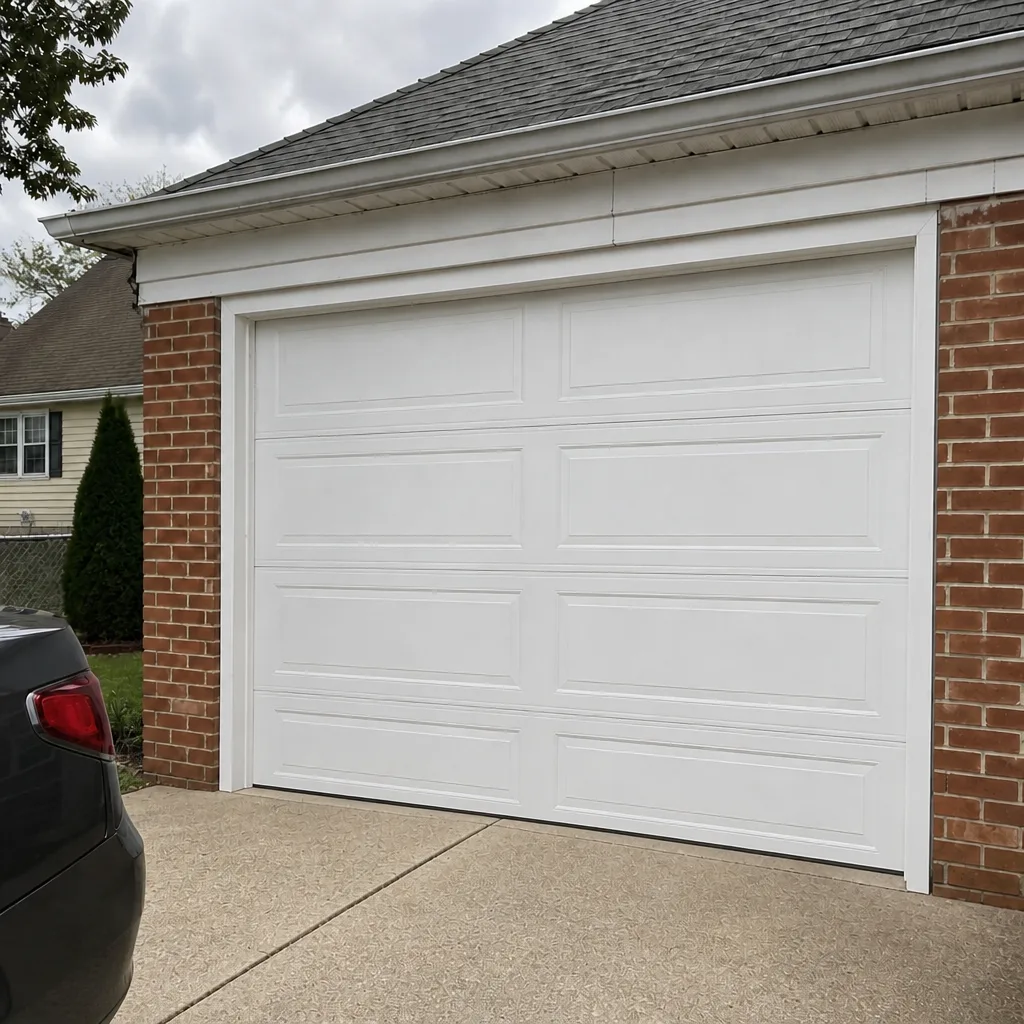
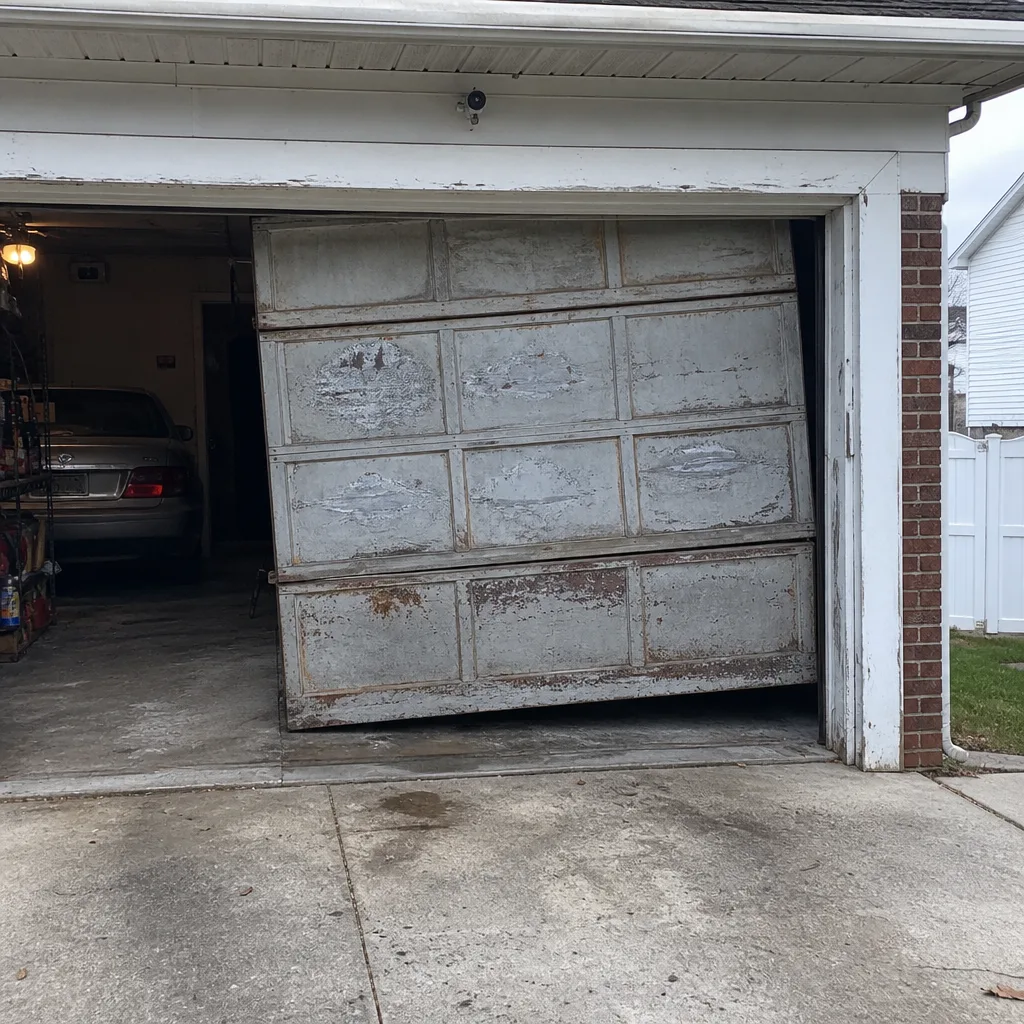
See the difference
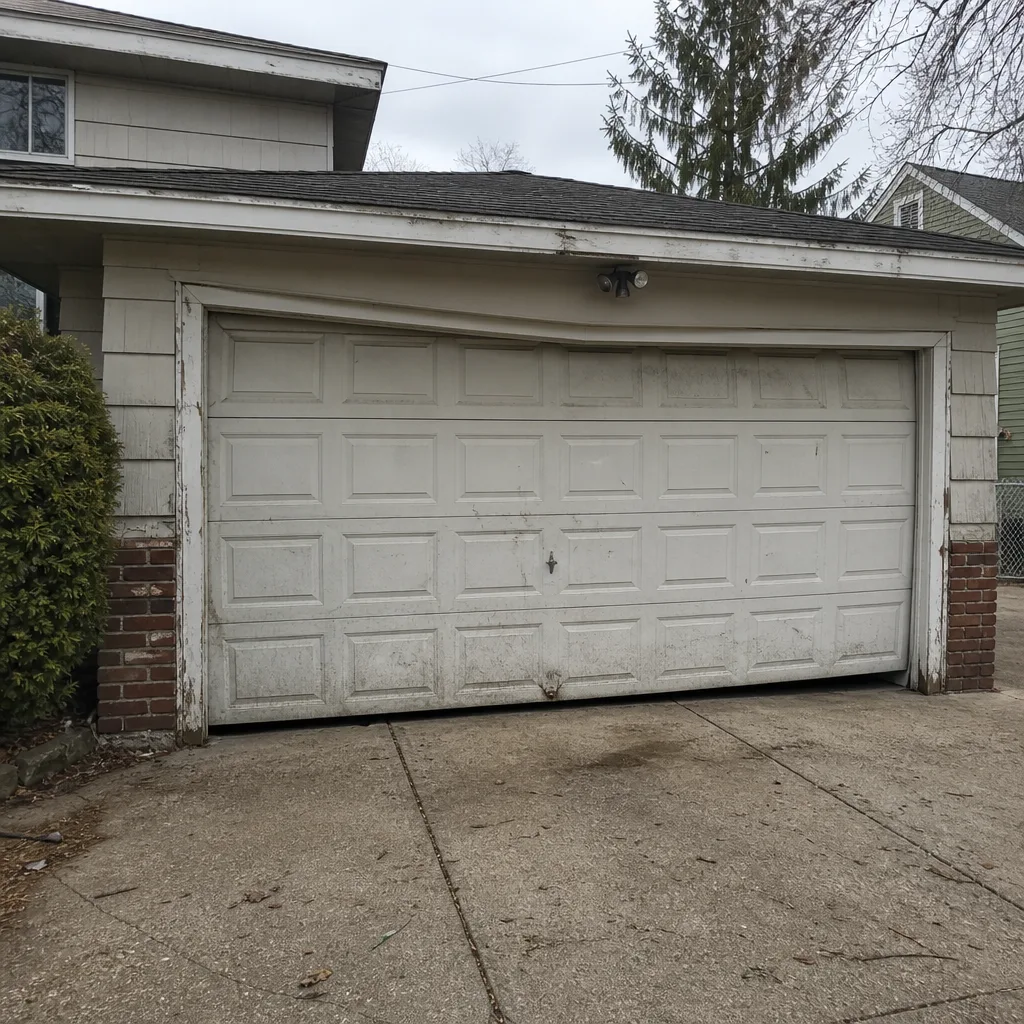 Before
 After
 Before
 After
 Before
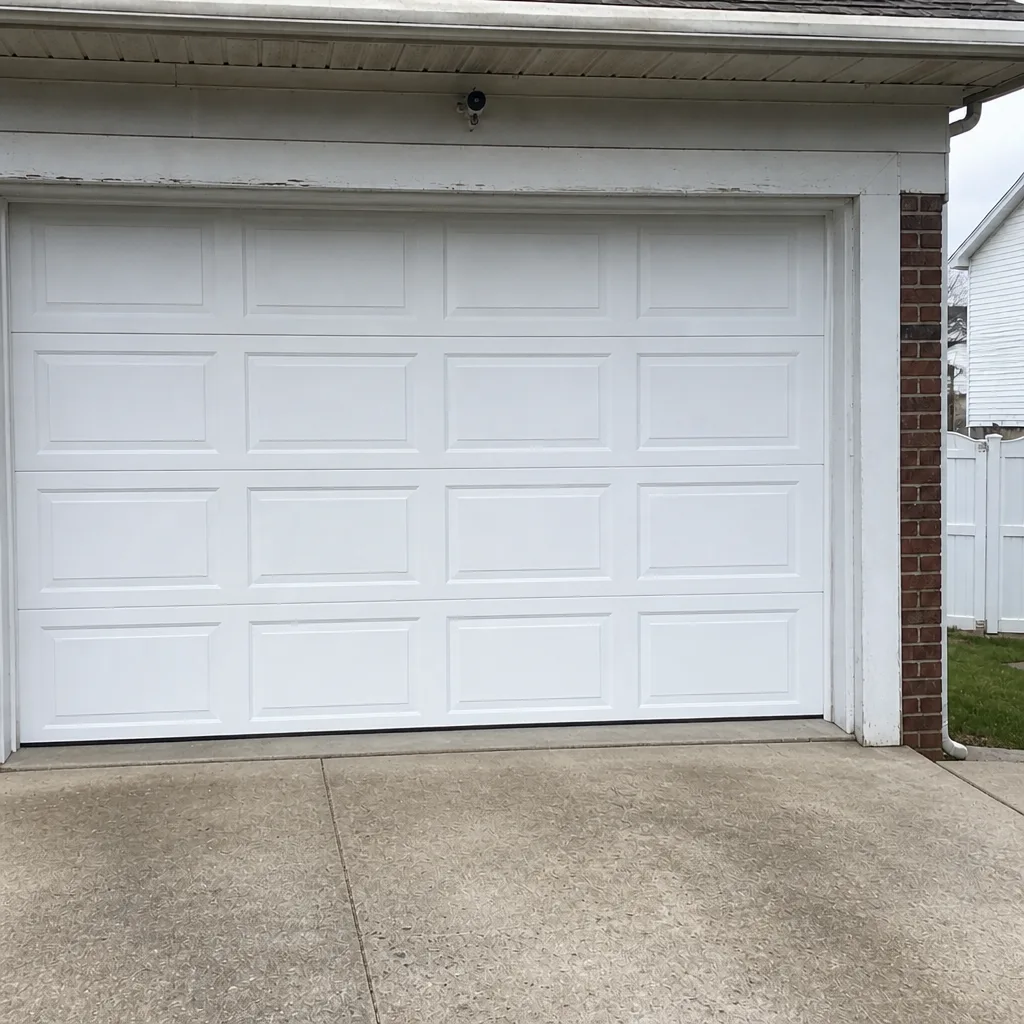 After
Common Mistakes to Avoid
- Choosing on appearance alone. The panel style is the last thing to matter. Steel gauge, insulation, and local parts availability decide how the door holds up in Elmhurst. A good-looking door with no local parts source is a repair headache waiting to happen.
- Skipping insulation on an attached garage. If the garage shares a wall with living space, an uninsulated steel door moves real heat out of the house every winter. The upgrade is worth it at the point of purchase; retrofitting insulation later is more expensive than choosing it up front.
- Assuming the opener brand has to match the door brand. It doesn’t. Pick the opener for the smart-home system you want, and pick the door for the fit, gauge, and parts availability. Those are two separate decisions.
- Reading the brochure warranty instead of the full document. “Lifetime” on the panel almost always means rust-through only. The finish, the hardware, and the springs have their own shorter terms, and those are the parts that actually fail first.
- Locking in a brand before confirming dates and parts. A brand that can’t get you a bottom panel for two weeks is a brand that leaves your door unusable for two weeks. Confirm parts turnaround before you buy, not after.
- Assuming a matched package is always simpler. Some door-plus-opener packages use a proprietary opener that doesn’t integrate with MyQ or other smart systems natively. Ask which opener is included and what it supports before you commit.
- Ordering a door without a measure. The opening, the headroom, and the spring sizing are all measured before ordering. A door ordered on nominal size alone is a door that doesn’t fit. Get the free measure in writing.
When to Call a Professional
Some brand decisions can be made with research alone: which insulation level you want, whether Clopay or Amarr fits your style, which opener supports MyQ. Others need a trained eye. Call a professional when the door is already failing (won’t lift, won’t close, hangs crooked, or the opener runs but the door doesn’t move), when a spring has broken with a loud snap, when the bottom panel is dented badly enough to catch on the track, when the cable is off the drum, or when you’re ready to install a new door and need a free measure and a written price before you order. Torsion and extension springs are high-tension parts, and a mistake with them can cause serious injury. They’re handled by trained technicians with the proper tools, not as a weekend project. Elmhurst Garage Door Repair Pros offers free estimates in Elmhurst. Call (877) 554-9033. We answer 24/7. Fast dispatch from 7am to 7pm, Sunday through Friday.
Frequently Asked Questions
There’s no single best brand; the right choice depends on your opening, insulation needs, and local parts availability. In Elmhurst, Clopay is the most common for its strong Queens-area dealer depth and 25-gauge steel on the Classic Steel line, Amarr is a strong value on insulated doors for attached garages, and Wayne Dalton is worth a look for tight-headroom installs. Call (877) 554-9033 for a free estimate and to talk through your specific home.
We don’t quote full install pricing over the phone because a door install is a measured job, and the written estimate after a free measure is what sets the final price. The written quote covers the door, the track, the springs, the hardware, and the install labor. Call (877) 554-9033 to book the free measure.
Does the garage door brand have to match the opener brand?
No. Door brands and opener brands are independent systems. A Clopay door works cleanly on a LiftMaster opener, and a Wayne Dalton door works fine on a Chamberlain. The question that matters is whether the opener integrates with the smart-h