
Last updated November 21, 2026
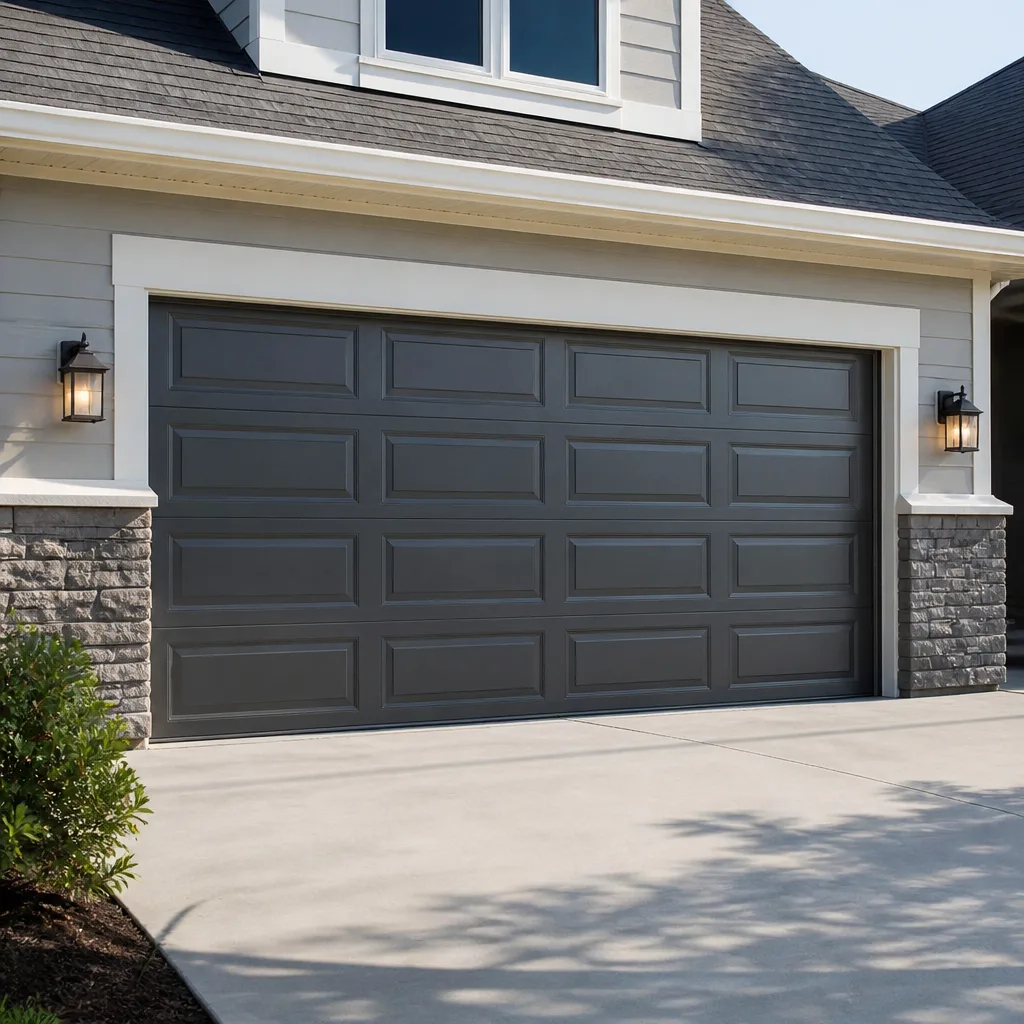 Raised-panel steel
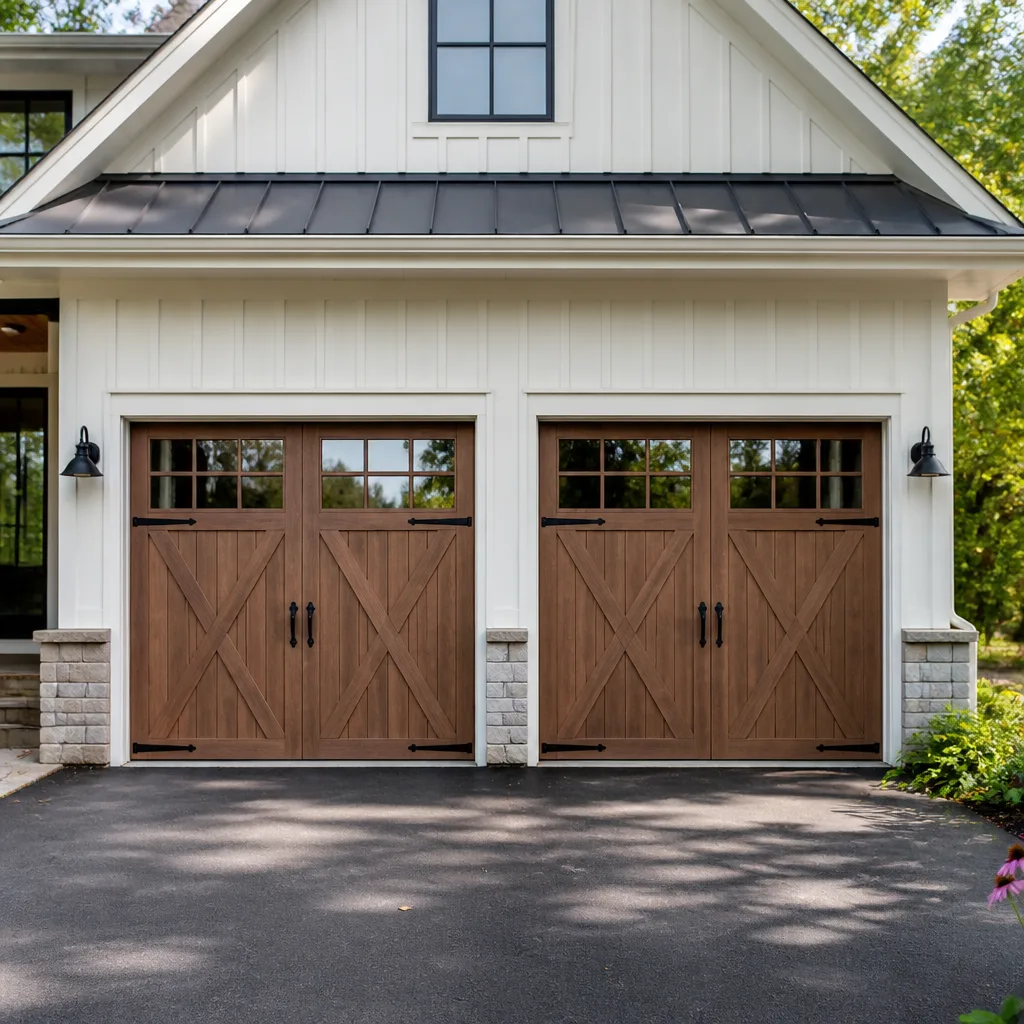 Carriage house
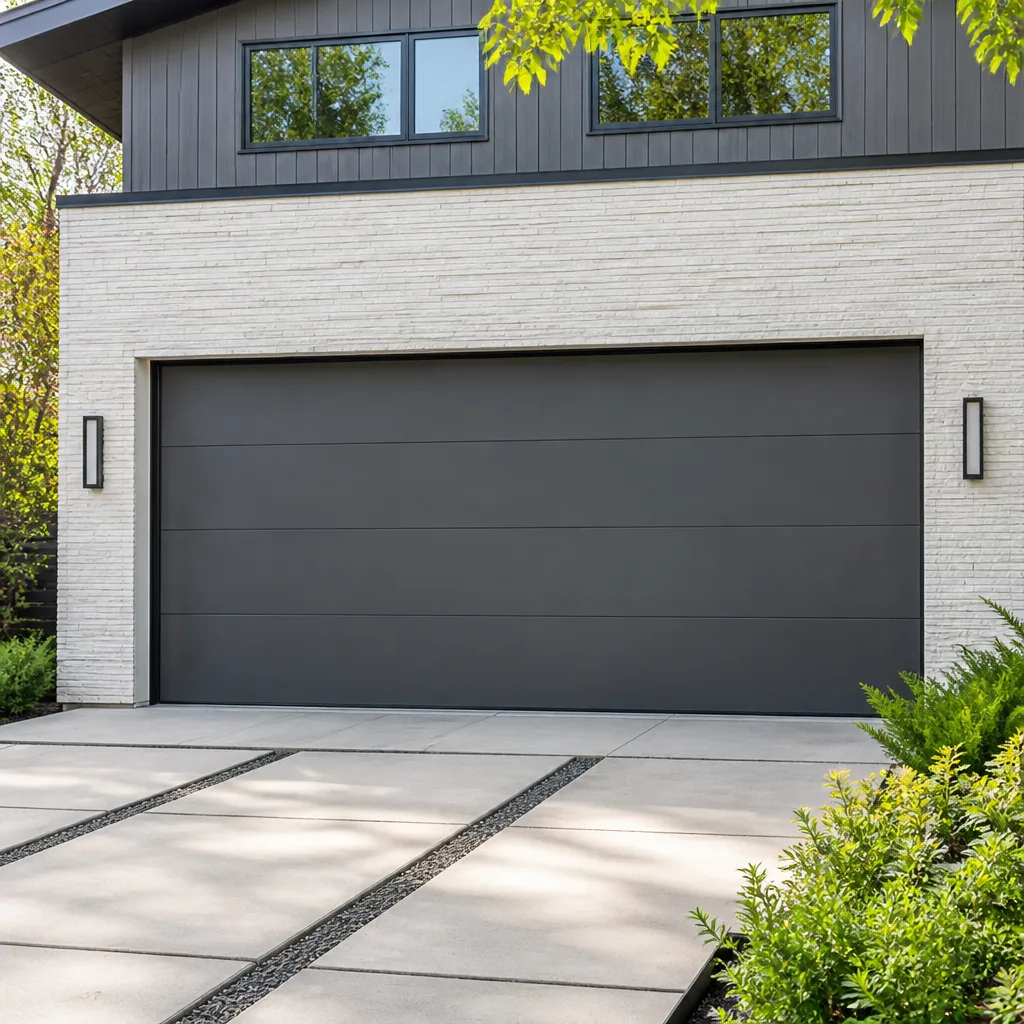 Modern flush
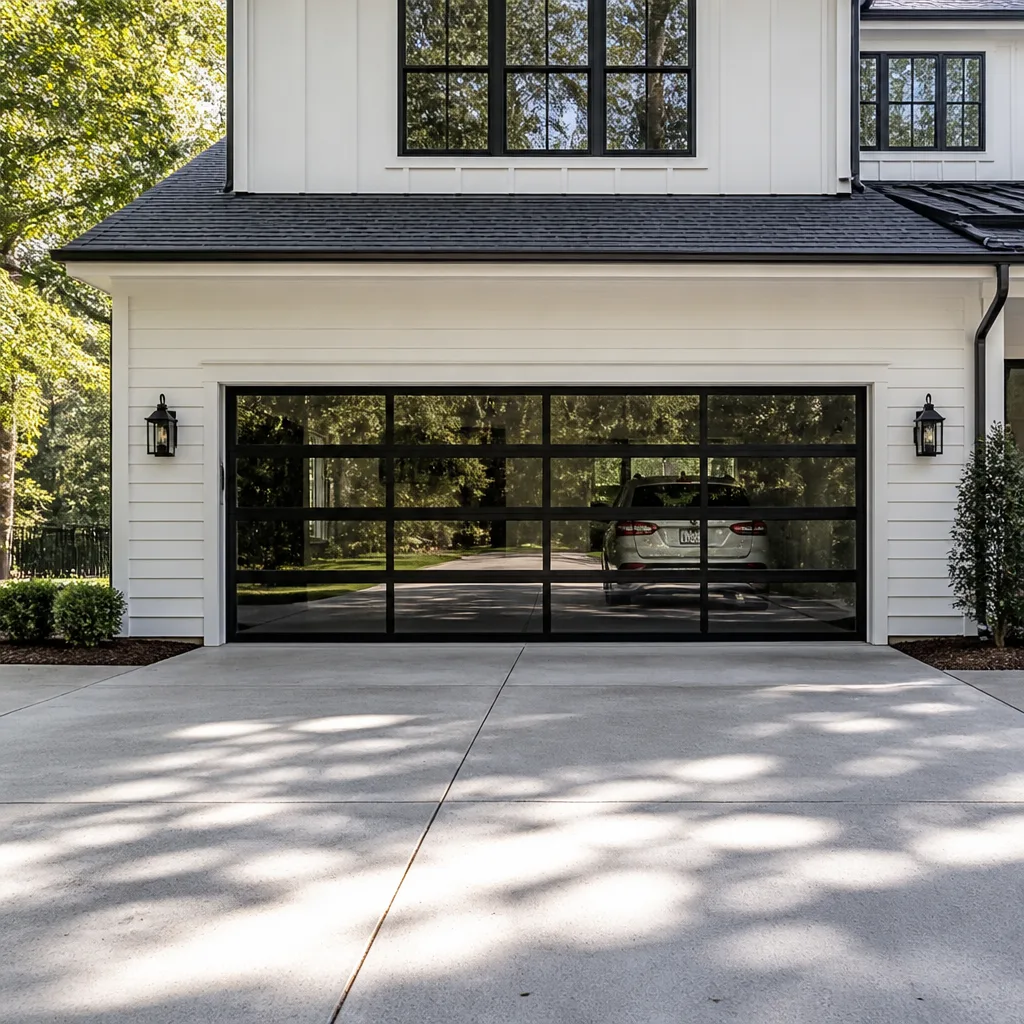 Full-view glass
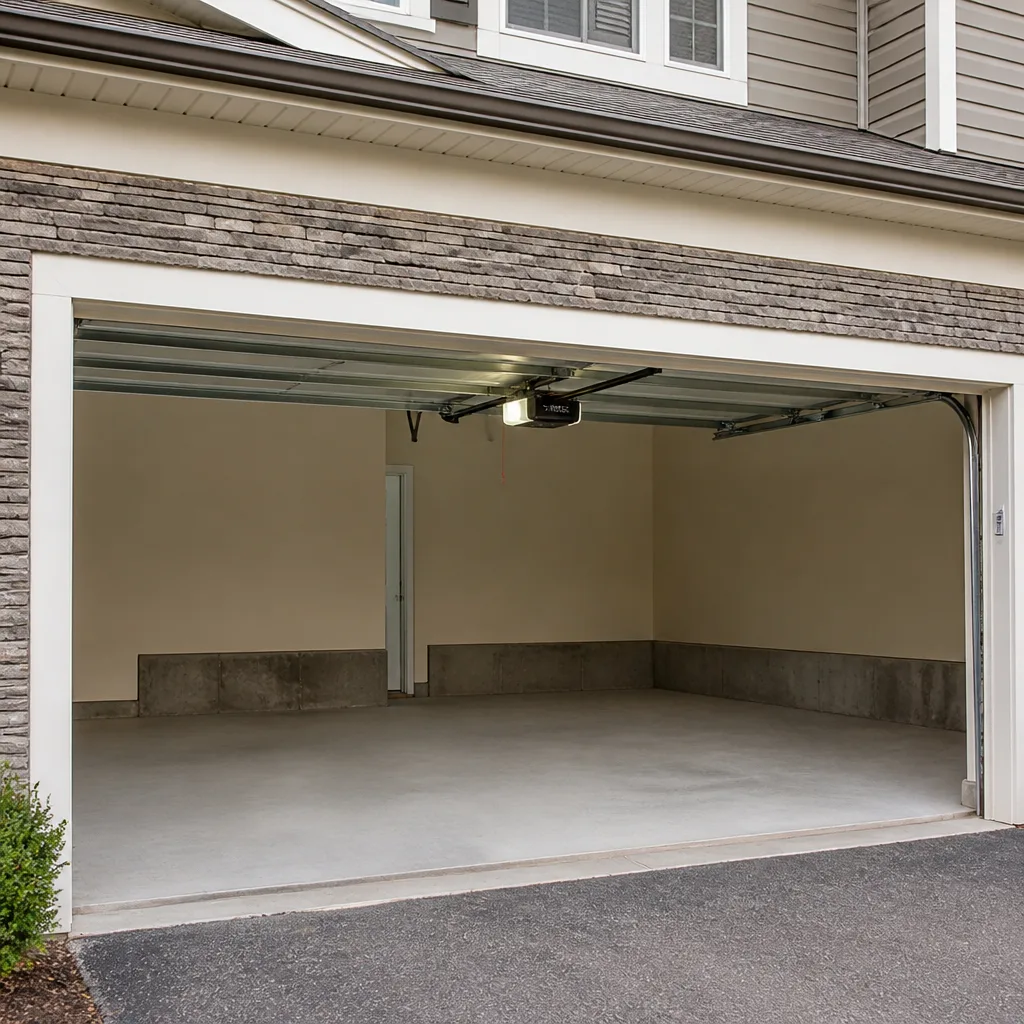 LiftMaster openers
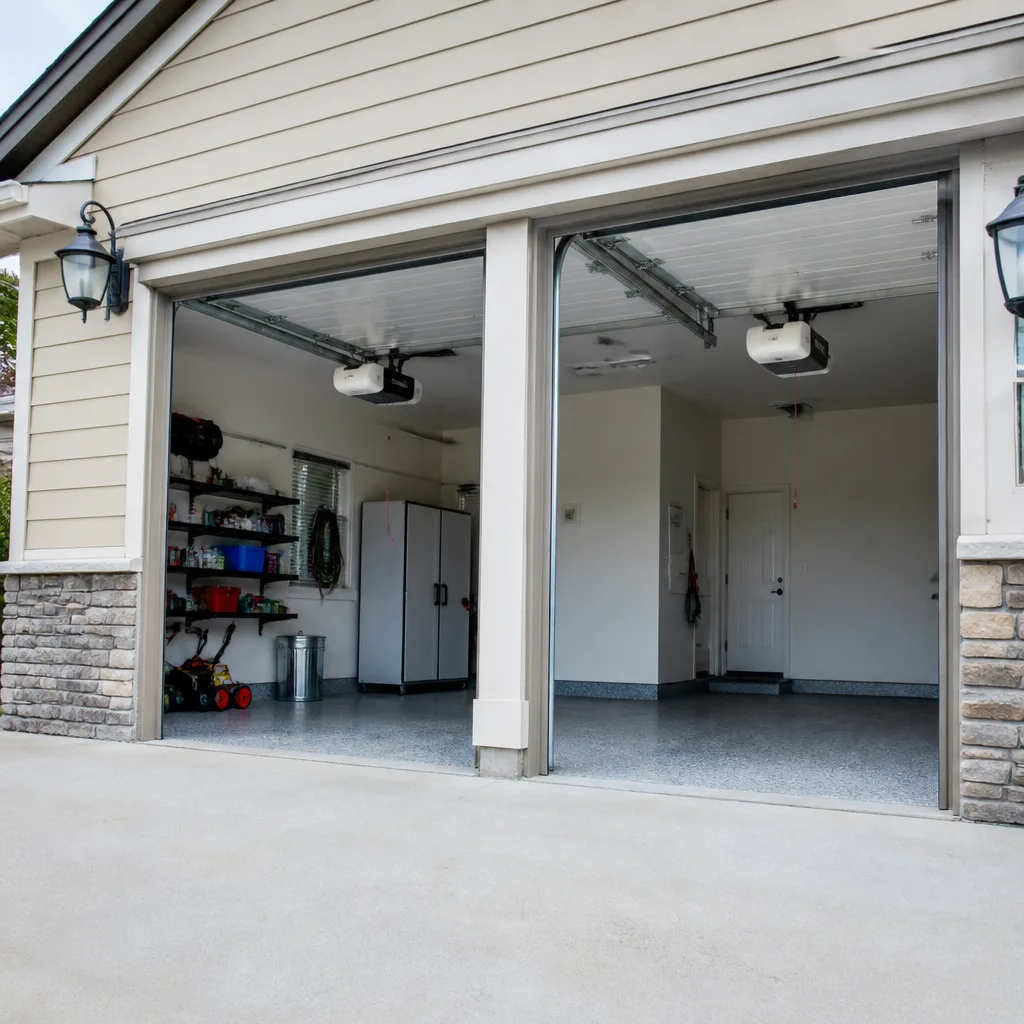 Chamberlain openers
Full 25-point door and opener safety check with every visit - springs, cables, rollers, tracks, and your LiftMaster or Chamberlain opener included
You get a price before we start. It does not change when the pro arrives.
Get your free estimateSeasonal Garage Door Care for Elmhurst: Year-Round Homeowner’s Guide
Most homeowners assume garage door trouble is random. It isn’t. In Elmhurst, the same parts fail in the same months, year after year, and the calendar tells you when to look. January brings the burst of snapped torsion springs, not because springs wear out in cold weather, but because cold steel loses ductility and a spring already near the end of its life gives way once the temperature drops below 20°F. By March the ice-scraped bottom seals are cracking. July humidity swells wooden panels until they bind in the tracks. None of this is bad luck. It’s a schedule. This guide walks through what to check in each season so a failing spring or a sticking door gets caught on a quiet afternoon instead of the morning your car is trapped inside.
Quick Answer
Seasonal garage door care in Elmhurst means matching maintenance to the climate: check torsion spring tension and opener torque before the first hard freeze in November, replace cracked bottom seals and test auto-reverse in March and April, watch for humidity-swollen wood panels and wasp nests in the opener housing in summer, and tighten cable drum set screws and re-lubricate in October. The single highest-value habit is a monthly balance test, which catches spring and cable wear weeks before it turns into a snapped spring and a stuck door.
Styles & brands we work with
- Raised-panel steel
- Carriage house
- Modern flush
- Full-view glass
- LiftMaster openers
- Chamberlain openers
Table of Contents
- Why Elmhurst’s Climate Puts Unique Stress on Garage Doors
- Winter Preparation: What to Do Before the First Freeze
- Spring Recovery: Undoing Winter’s Damage
- Summer Tasks: Humidity, Oxidation, and Wasps
- Fall Preparation: The October Checklist
- The One Monthly Check That Prevents Emergencies
- A Year-Round Lubrication and Inspection Schedule
- When It’s Time to Call a Professional
Why Elmhurst’s Climate Puts Unique Stress on Garage Doors
Elmhurst sits in a climate band with real seasonal swing: hot, humid summers and winters cold enough to freeze the ground solid. That combination is harder on a garage door system than either extreme alone, because the door spends the year expanding and contracting, and every one of those cycles works screws, cables and seals a little looser.
Think about what actually moves on a garage door. Steel tracks and panels contract in January cold and expand again in July heat. Rubber seals go brittle in the freeze, then get scraped by ice at the door’s base every time it opens. Galvanized cables pick up surface oxidation from summer humidity. Wooden panels absorb moisture and swell, which changes how the door sits in its tracks. Roller bearings collect grit and road salt tracked in from the street and start grinding instead of rolling.
A generic “check it twice a year” routine misses all of this, because the failures don’t happen twice a year. They cluster around specific transitions: the first deep freeze, the first thaw, the first humid stretch, and the first cold snap after a warm fall. If you know when those transitions come in Elmhurst, you know when to look at your door.
We’ve seen this pattern hold across every neighborhood in Elmhurst, from the older homes near the center of town to the newer construction on the edges. The houses differ. The failure calendar doesn’t. Our technicians have up to 13 years of experience, and the seasonal calls follow the same rhythm every year: spring failures in January, seal calls in March, opener calls in July.
Winter Preparation: What to Do Before the First Freeze
November is the month that matters most. Everything you do before the first hard freeze buys you a quieter January. Everything you skip shows up as a snapped spring, a door that won’t reverse, or an opener that strains and gives out.
Check torsion spring tension before the freeze
Torsion springs hold the door’s weight through a steel shaft above the door. As temperatures fall, the metal loses flexibility, and a spring that’s already worn most of the way through its cycle count is far more likely to fail in the cold. You can’t measure spring life by eye, but a technician can measure the tension and tell you how much of the spring’s travel is left. If a spring is close to the end, replacing it in November is a scheduled job. Replacing it in January is an emergency.
A word of caution here, and we mean it: torsion springs are under extreme tension even when the door is closed, and adjusting or replacing them without the right winding bars and training is one of the most dangerous jobs in the trade. Do not attempt it yourself. This is work for a trained technician, and it’s the reason spring repair is our most-called service.
Adjust opener torque for cold weather
Cold thickens grease and stiffens door hardware, so the door takes more force to lift in January than it did in October. If your opener is a LiftMaster or Chamberlain unit, the force and travel limits may need a small adjustment so the motor isn’t straining every cycle. Straining is what burns out opener drive gears over a winter. If the opener already sounds like it’s working harder than it did last month, that’s your cue to have it looked at.
Replace weather seals before the ice arrives
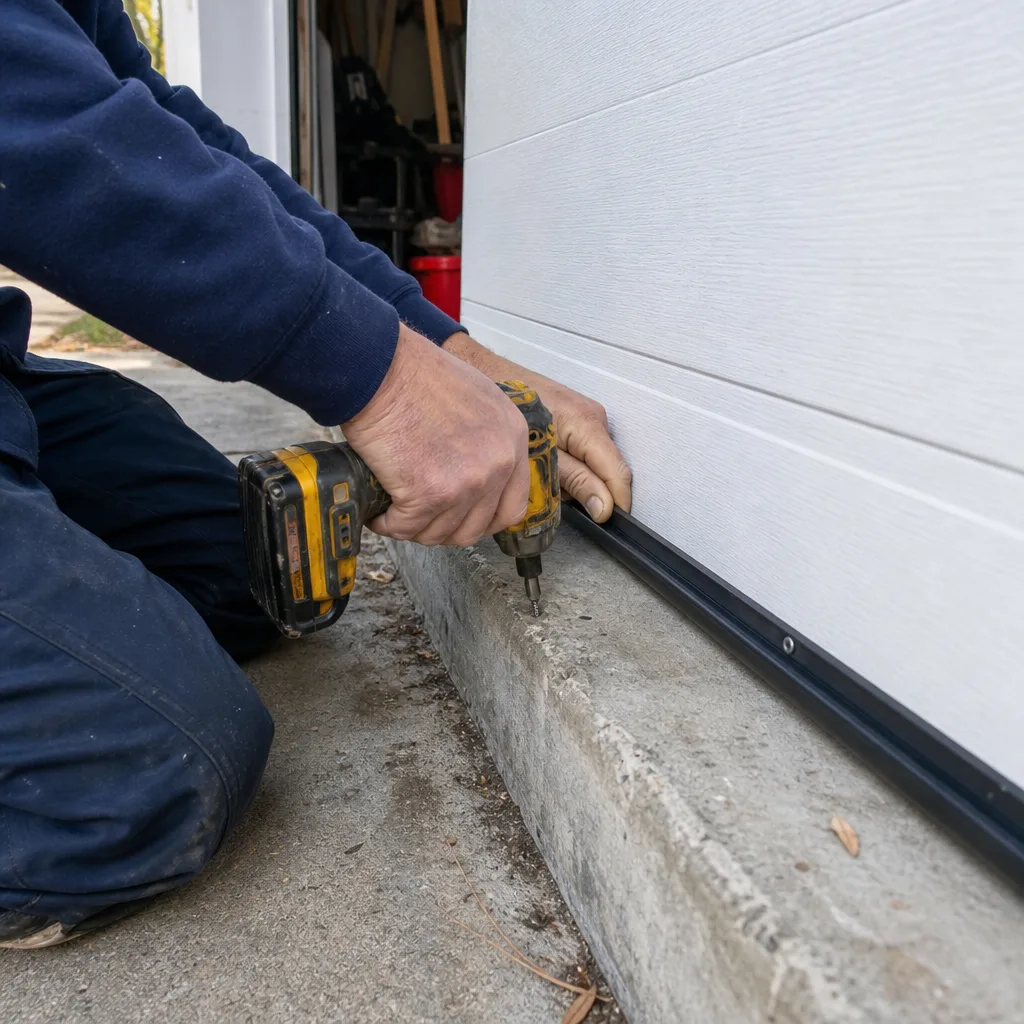
The bottom seal is the rubber strip along the door’s lower edge. It takes the most abuse of any part on the door, because it’s the piece that meets the frozen ground. A seal that’s already cracked in November will be torn apart by March. A fresh seal keeps snow and meltwater out of the garage and stops the ice-scraping that destroys the seal from below. If your seal is stiff, brittle or leaving gaps at the corners, replace it before the freeze.
Spring Recovery: Undoing Winter’s Damage
March and April are when a winter’s worth of damage becomes visible. The ground thaws, the ice stops scraping, and you can finally see what the cold months did to the door. Spring is also when we get the second wave of spring-related calls: doors that survived the cold snap but failed the first warm day when packed, cold grease finally started moving.
Inspect the bottom seal for ice damage
Ice scrapes the bottom seal every time the door cycles in freezing weather, and a winter of that leaves the seal cracked, torn or flattened. Run your hand along the seal with the door closed and look for splits, gaps at the floor, or places where the rubber has hardened. A damaged seal lets in water, cold air and pests. Replacing it in spring is inexpensive and protects the rest of the door through the next winter.
Re-lubricate rollers after road salt exposure
Road salt gets tracked into the garage and works its way into the roller bearings and hinges. By spring, rollers that used to glide start to grind. Clean the tracks and re-lubricate the rollers, hinges and springs with a proper garage door lubricant, not a general-purpose spray. This is also a good moment to check the rollers themselves for flat spots or worn bearings, because a seized roller will wear a groove in the track.
Test auto-reverse sensitivity
Auto-reverse is the safety system that sends the door back up when it meets an obstruction. Winter is hard on it, because the door’s travel changes when the cold grease and stiff seals go back to normal. Test it by placing a solid object in the door’s path and closing the door. It should reverse on contact. If it doesn’t, stop using the opener until it’s fixed. The same goes for the photo-eye safety sensors at the bottom of the tracks: wipe them clean and confirm the indicator lights are steady.
Summer Tasks: Humidity, Oxidation, and Wasps
Summer gets less attention than winter, but humid months do their own kind of damage. Wood swells, cable steel oxidizes, and the warm, dry space inside an opener housing becomes a nesting site.
Watch wooden panels for swelling that binds the tracks
If your door has wood or wood-composite panels, summer humidity makes them absorb moisture and swell. A door that swells can bind against the tracks, which puts extra strain on the opener and the springs. If the door starts to catch, scrape or move unevenly in July, look for a swollen panel rubbing the track before you suspect the opener. A technician can adjust the track or the panel alignment so the door moves freely again.
Inspect galvanized cables for surface oxidation
The lift cables are galvanized steel, and summer humidity leaves a light surface oxidation on them over time. Surface haze is normal. What matters is what’s underneath it: look for frayed strands, kinks or rust that has eaten into the cable. Cables are under tension and a frayed cable can fail without warning. If you see broken strands, stop using the door and call for repair. This is not a part to patch.
Check the opener housing for wasp nests
This sounds like a joke, and it isn’t. Openers mounted on the ceiling near the garage’s warmest corner make a sheltered, dry spot, and paper wasps find their way in through the vents and gaps in the housing. Before you reach up to work on an opener in summer, look. If you find a nest, don’t poke at it. Deal with the nest safely first, or have a technician service the opener for you.
Fall Preparation: The October Checklist
October is the last comfortable window before winter. Get the lubrication and tightening done now, and January gets quieter.
Follow the cold-weather lubrication schedule
Lubricate the springs, hinges, rollers and bearing plates before the temperature drops. Use a garage-door-specific lubricant that stays effective in cold weather; a thin oil that works in July can stiffen in January. Wipe off old grease and grit first, then apply a light coat. This one task reduces opener strain more than any other single piece of maintenance.
Check cable drum set screws
The cable drums sit at each end of the torsion shaft, and they’re held by set screws. A year of expansion and contraction cycles can loosen those screws. A loose set screw lets the drum slip, and a slipping drum means the cable loses tension. Check and tighten the set screws as part of fall prep. Like the springs, the cable drums and torsion shaft are under tension, so if anything looks off, have a technician look at it rather than working on it yourself.
Service the opener and test the safety systems
Fall is the right time to test the photo-eye sensors, test the auto-reverse, and check the opener’s force settings for the colder weather ahead. If your opener is a smart unit like a LiftMaster with myQ or a Chamberlain model, confirm the app connection and battery backup are working, because a dead battery backup in a winter power outage leaves you with a door you can’t open. This is also the season to schedule any garage door opener repair that’s been put off. A failing opener is easier to replace in October than during a cold snap.
The One Monthly Check That Prevents Emergencies
If you do one thing all year, do the balance test. It’s the single check that tells you whether the springs and cables are still doing their job, and it takes about a minute. Here’s how it works:
- Close the door fully and disconnect the opener by pulling the release handle on the trolley.
- Lift the door by hand to about four feet off the floor.
- Let go.
A healthy door stays where you left it, held by spring tension balanced against its own weight. A door that drifts down means the springs are losing tension. A door that feels heavy to lift means the same thing. A door that feels unusually light, or that won’t stay up at all, points to a spring or cable problem.
Run this test once a month, and you’ll catch spring wear weeks before it becomes a snapped spring and a car trapped in the garage. You’ll also catch the early stage of a cable problem, because a door with a failing cable often lifts unevenly or hangs crooked. If the test fails, don’t keep cycling the door. Have it checked. Spring and cable repair is work for a trained technician; the balance test is what you do to know when to call one.
This is the cheapest maintenance habit on this list, and it’s the one that prevents the most expensive calls. A failing spring found in October is a scheduled repair. A failed spring found on a January morning is an emergency.
A Year-Round Lubrication and Inspection Schedule
Here’s the whole year in one place. This is the schedule our technicians recommend for Elmhurst’s climate, and it matches the failure windows you’ll actually see.
Winter (December through February)
- Monthly balance test.
- Listen for opener strain; if the motor sounds like it’s working harder than in fall, get the force settings checked.
- Keep the bottom seal clear of ice buildup where the door meets the ground.
- Watch the safety sensors for snow or frost that can block the beam.
Spring (March through May)
- Replace a cracked or flattened bottom seal.
- Clean and re-lubricate rollers, hinges and springs after road salt exposure.
- Test auto-reverse and photo-eye sensors.
- Check rollers for flat spots and worn bearings.
Summer (June through August)
- Check wooden panels for swelling and binding.
- Inspect lift cables for frayed strands and rust that has eaten into the metal.
- Look inside the opener housing for wasp nests before servicing it.
- Continue the monthly balance test.
Fall (September through November)
- Lubricate springs, hinges, rollers and bearing plates for cold weather.
- Tighten cable drum set screws.
- Adjust opener torque for the colder months.
- Test smart-opener connectivity and battery backup.
- Book any spring repair before the first freeze.
If you’d rather not track all of this yourself, a single fall service visit covers the tightening and lubrication that matter most, and a spring check during that visit tells you whether the springs will make it through winter. That’s a straightforward, no-guesswork garage door repair visit, and it’s cheaper than an emergency call in January. When a door does reach the end of its useful life, we also handle a full garage door installation in Elmhurst, including modern insulated doors from Clopay and Amarr.
Common Mistakes to Avoid
- Greasing the tracks. Tracks should stay clean and dry. Lubricant in the tracks collects grit and makes the rollers slide instead of roll, which wears the door unevenly. Lubricate the rollers, hinges and springs, never the track surface itself.
- Ignoring a door that’s off balance. A door that drifts down during the monthly balance test is telling you the springs are losing tension. Owners often wait until the door stops working entirely. By then a worn spring has become a snapped one, and the car is parked inside.
- Using the opener to force a stiff door. When cold weather makes a door strain, some homeowners turn up the opener’s force setting to push through it. That masks the problem and burns out the opener drive gear. Fix the door’s movement first, then the opener.
- Waiting for the first freeze to book spring service. In Elmhurst, spring calls spike in January. The same repair booked in November is a scheduled job. Booked after the temperature drops below 20°F, it’s a same-day emergency with your car trapped.
- Poking at a wasp nest in the opener housing. It’s a real problem every summer. If you find a nest, deal with it safely before touching the opener, or have the opener serviced for you.
- Assuming a sticking door is an opener problem. A door that binds in July is usually a swollen wooden panel rubbing the track, not a failing motor. Diagnosing it as an opener problem leads to an unnecessary opener replacement.
- Trying to adjust springs or cables yourself. Torsion springs, extension springs and lift cables are under extreme tension. This is the one part of garage door maintenance that should never be a weekend project.
You can also compare notes with a specialist who knows your door’s brand before you decide anything. We’re factory-familiar with eight major brands, from LiftMaster and Chamberlain openers to Clopay, Amarr, Wayne Dalton, Craftsman and Raynor doors. Reach out through Elmhurst Garage Door Repair Pros when you’re ready to book the seasonal check.
See the difference
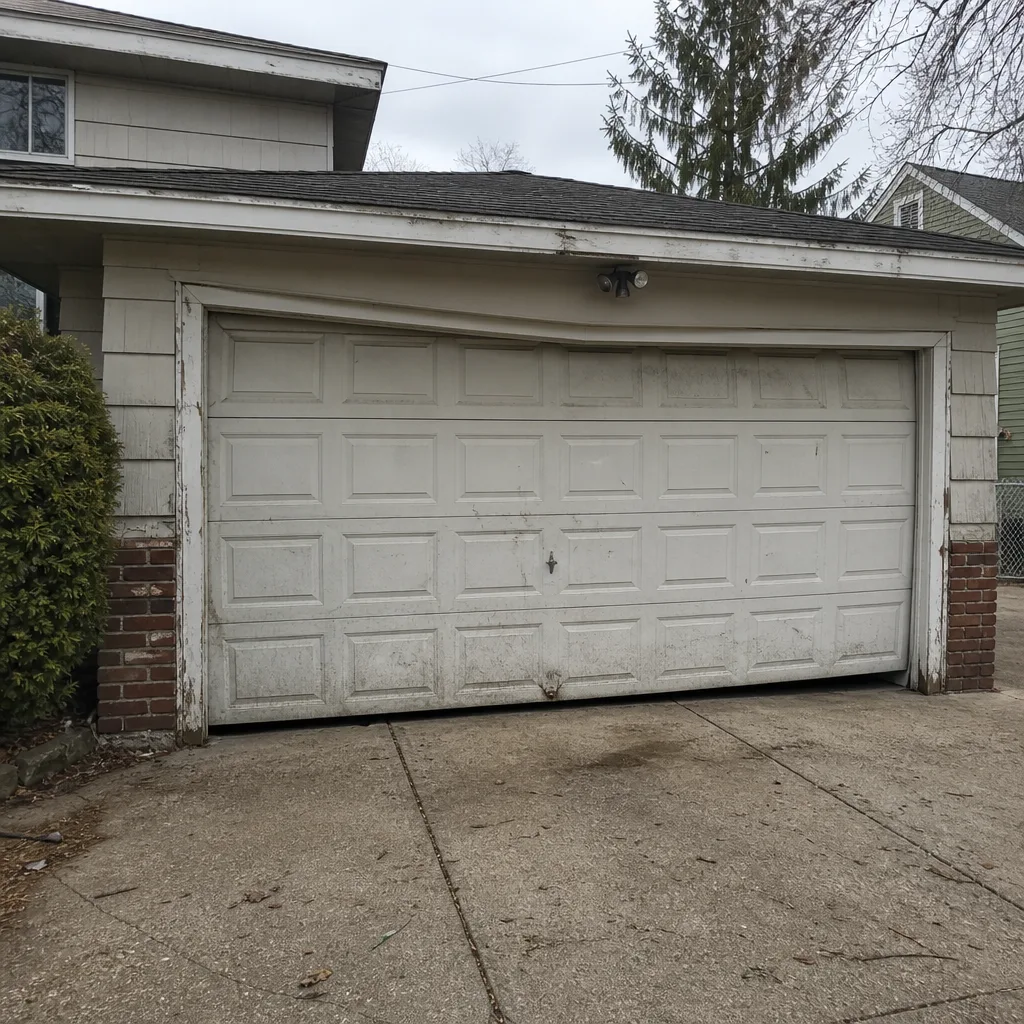 Before
 After
 Before
 After
 Before
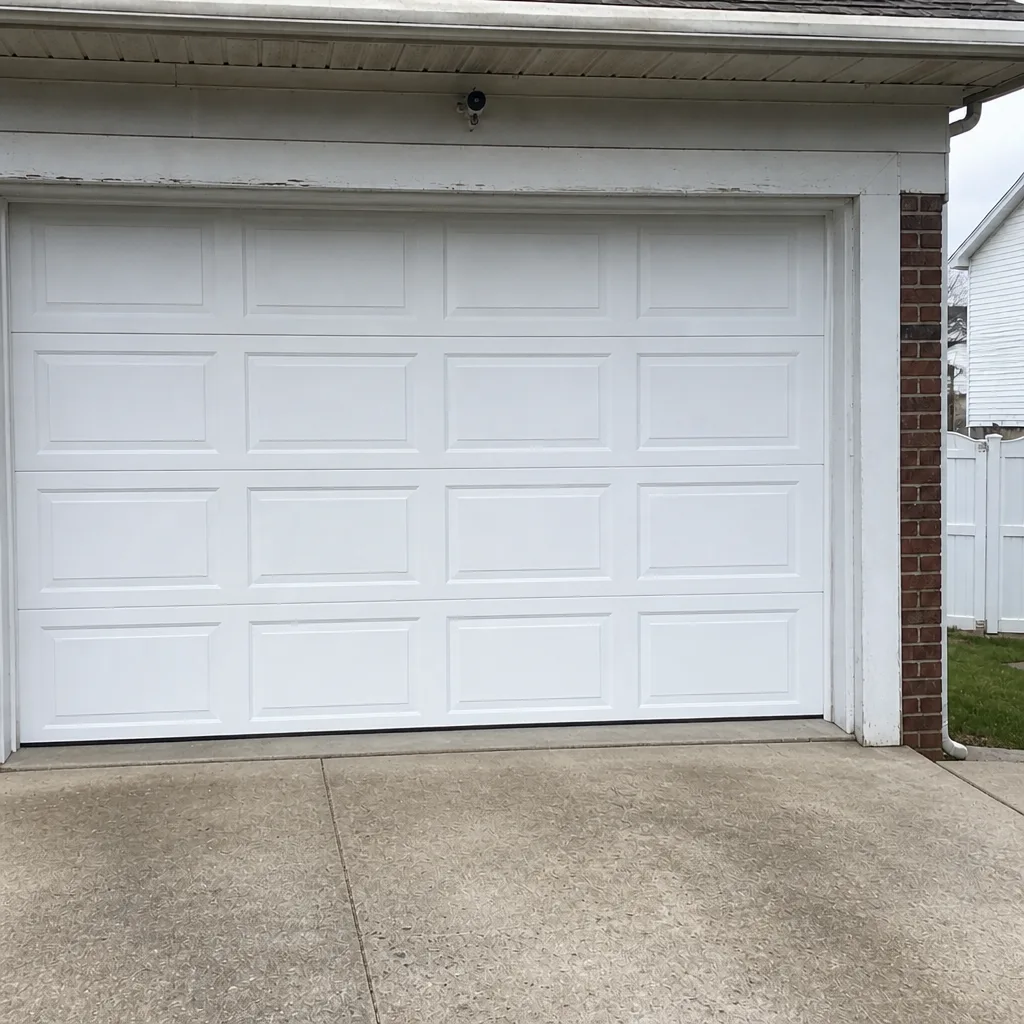 After
When to Call a Professional
Most of this guide is safe to do yourself, but some jobs are for trained technicians, full stop. Call a professional when a torsion or extension spring has snapped or looks stretched and worn, when a lift cable is frayed, kinked or loose, when the door hangs unevenly or fails the balance test, when the opener strains, grinds or reverses on its own, or when the door binds in the tracks and you can’t find the cause. Call us for spring repair, opener repair, panel and door repair, or a complete new installation when the door reaches the end of its life.
Elmhurst Garage Door Repair Pros offers free estimates in Elmhurst. Call (877) 554-9033. We answer 24/7. Fast dispatch from 7am to 7pm, Sunday through Friday. The price is quoted and agreed before any work starts, and the local pro is licensed and insured as their state requires.
Frequently Asked Questions
Schedule the main service visit in October, before the first freeze. Elmhurst winters cause the most spring and opener failures, so fall prep, lubrication and a spring check cover the highest-risk season. Add a spring check in March to catch ice damage to the bottom seal and to re-lubricate after road salt exposure. Call (877) 554-9033 for an exact quote on a service visit; estimates are free.
Cold steel loses ductility, so a spring that’s already worn most of the way through its cycles is much more likely to snap when the temperature drops below 20°F. The spring isn’t failing because of the cold alone. It’s failing because the cold removes the margin that was left. A spring check in November tells you whether your springs will make it through winter.
No. Torsion springs are under extreme tension even with the door closed, and adjusting or replacing them requires specific tools and training. A spring that slips under load can cause serious injury. This is work for a trained technician, and it’s the repair we handle most often.
Disconnect the opener, lift the door by hand to four feet, and let go. A healthy door stays where you left it. A door that drifts down, feels too heavy or won’t stay up has a spring or cable problem in progress. Done monthly, it catches wear weeks before it becomes a snapped spring and a stuck door.
Usually not. Summer humidity swells wooden and wood-composite panels, which binds them against the tracks. Look at the panel clearance before blaming the opener. A technician can adjust the track or panel alignment so the door moves freely again without replacing the opener.
We’re factory-familiar with LiftMaster, Chamberlain, Genie, Clopay, Amarr, Wayne Dalton, Craftsman and Raynor. That covers the openers and doors on most Elmhurst homes, so we work on your brand and don’t ask you to switch. Call (877) 554-9033 for an exact quote; estimates are free.
Yes. The local pro is licensed and insured as their state requires, and our technicians have up to 13 years of experience. We quote the price and agree it with you before any work starts, so there are no surprises when the invoice arrives. Call (877) 554-9033 to book.
The Bottom Line
Garage door care in Elmhurst follows a calendar, not a vague rule of thumb. Check torsion spring tension and adjust opener torque in November, replace cracked bottom seals and test auto-reverse in March and April, watch wooden panels for humidity swelling and check the opener housing for wasp nests in summer, and tighten cable drum set screws and lubricate in October. Do the monthly balance test year-round, and leave spring, cable and opener repair to trained technicians. A system maintained on this schedule goes back to working order season after season, and the January emergency call never happens.
Call (877) 554-9033 for a free estimate on seasonal maintenance, spring repair, opener repair or a new door. We answer 24/7. Fast dispatch from 7am to 7pm, Sunday through Friday. We’re closed Saturday.
Written by the team at Elmhurst Garage Door Repair Pros.