
Last updated November 21, 2026
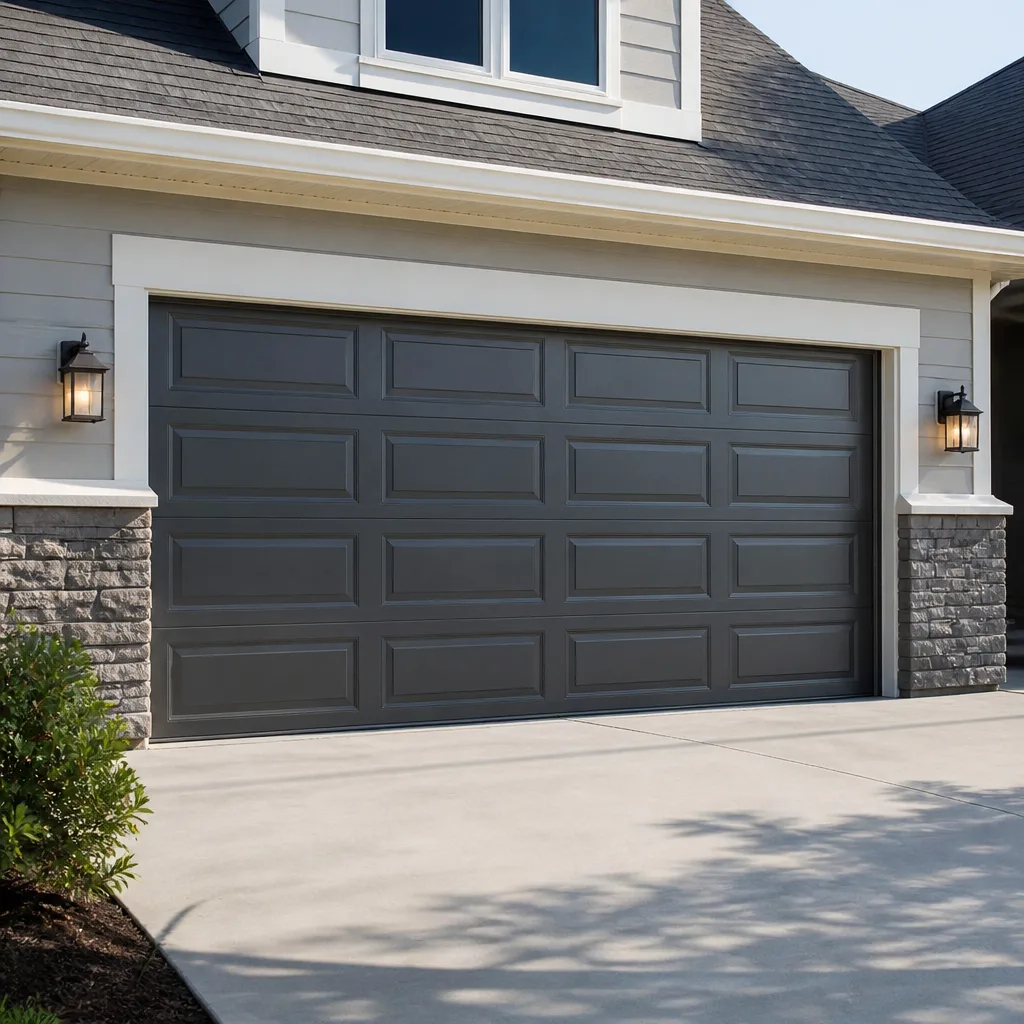 Raised-panel steel
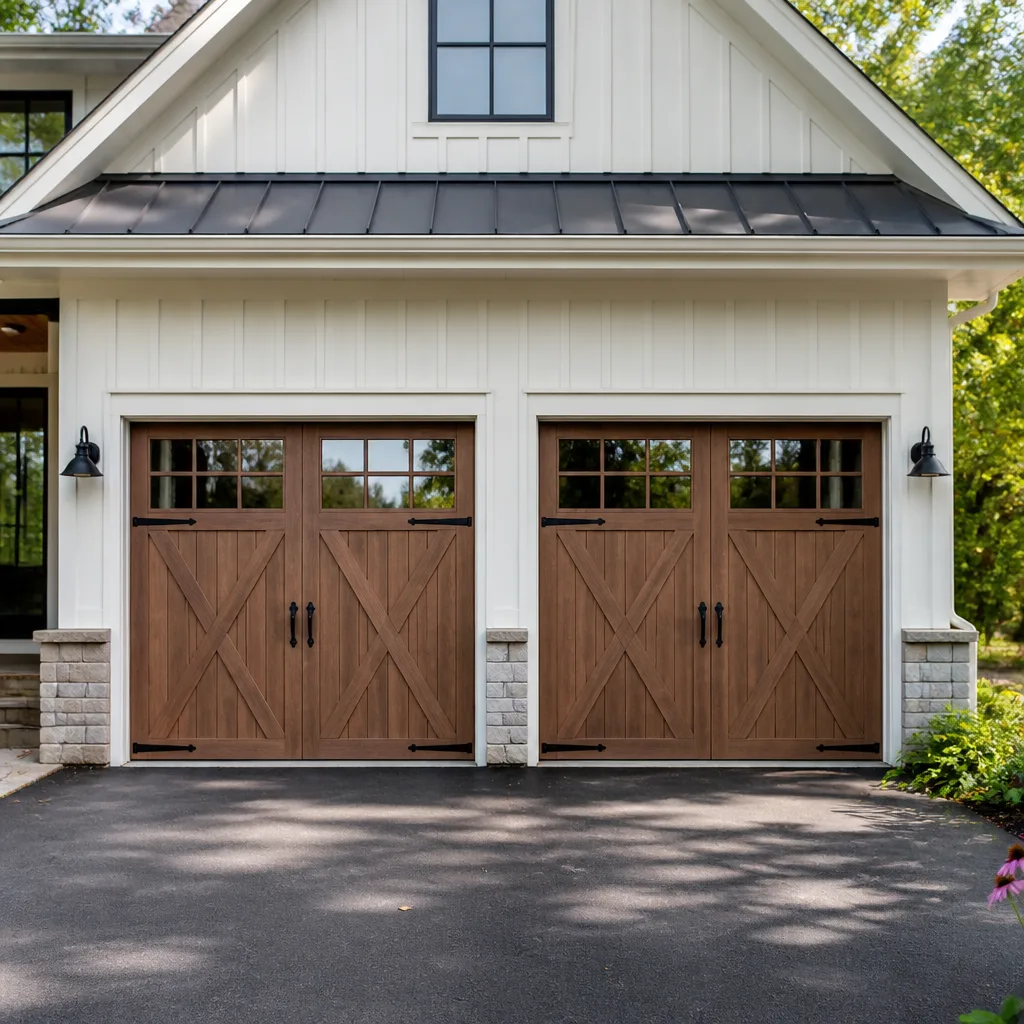 Carriage house
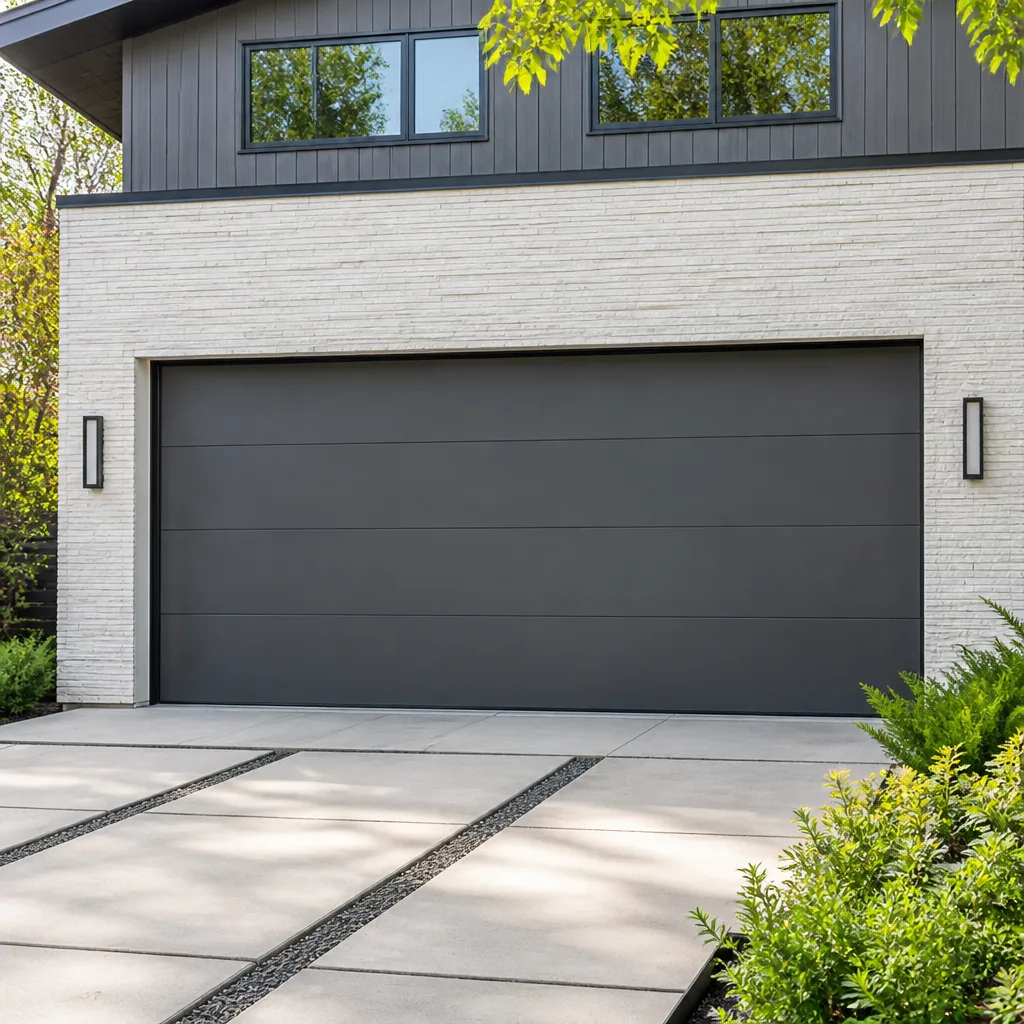 Modern flush
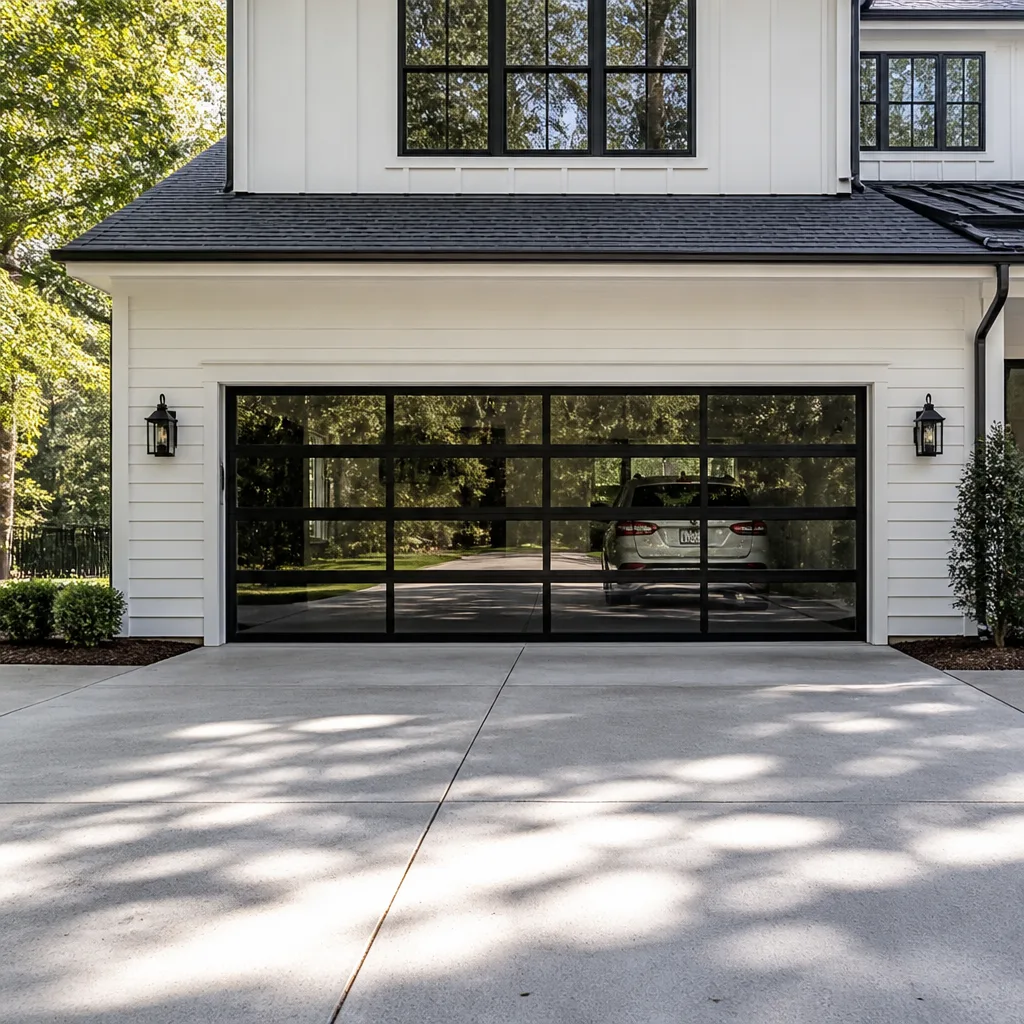 Full-view glass
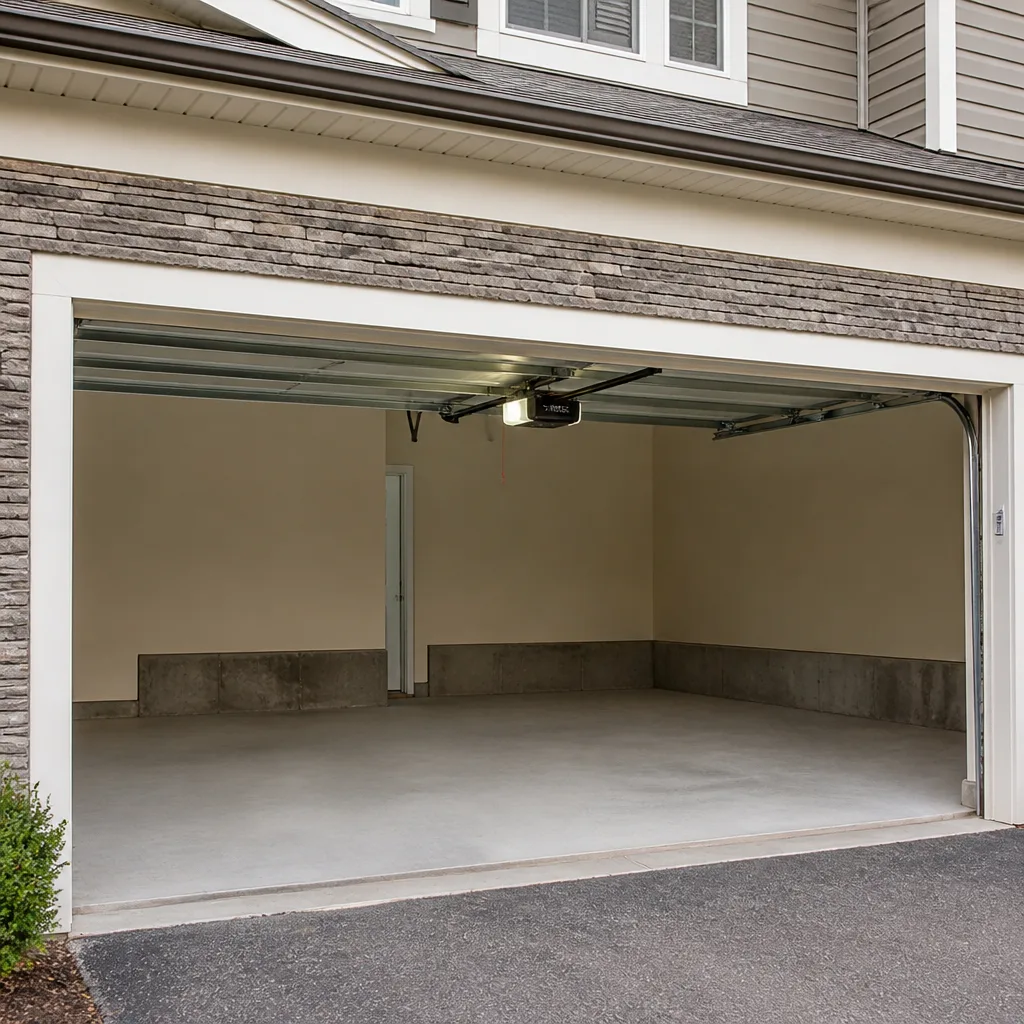 LiftMaster openers
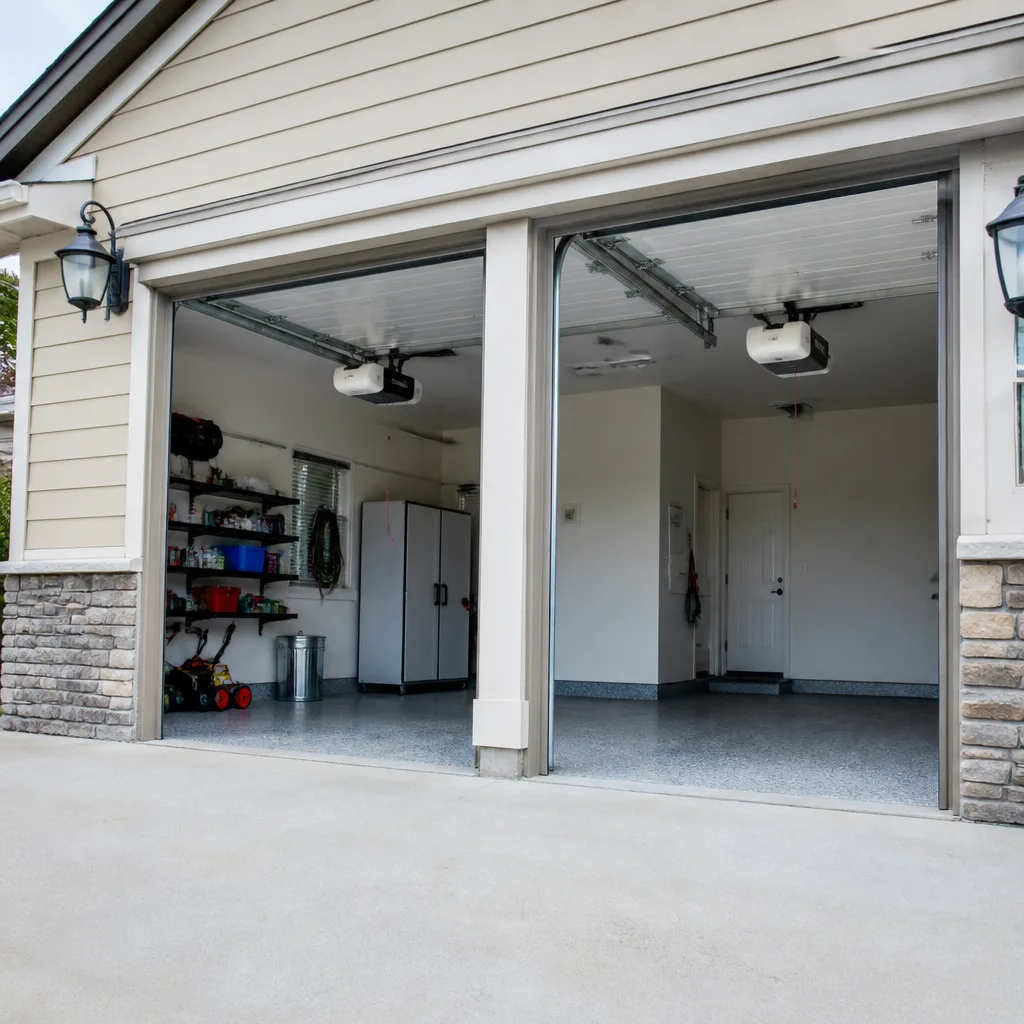 Chamberlain openers
Full 25-point door and opener safety check with every visit - springs, cables, rollers, tracks, and your LiftMaster or Chamberlain opener included
You get a price before we start. It does not change when the pro arrives.
Get your free estimateGarage Door Emergency Preparedness Guide for Elmhurst Homes
Most garage door failures don’t announce themselves. A torsion spring doesn’t creak a warning the week before it breaks, and an opener motor doesn’t send a letter saying it’s about to quit. What actually happens is this: a spring snaps at 6 a.m. in a January cold snap, and the door, which weighs somewhere between 150 and 400 pounds with no counterbalance, is now a dead weight hanging on its tracks. The car is blocked inside. You are standing in the cold, holding a coffee, deciding what to do next. That decision, made in the first twenty minutes, is what separates a one-call fix from a cascading problem. This guide exists to make sure you’ve made it before the phone rings at the worst moment. We’ll walk through the three emergencies Elmhurst homeowners face most, what to touch and what to leave alone, and what to have on hand so a technician can diagnose your door before they even pull up.
Quick Answer
A garage door emergency is almost always one of three things: a broken torsion spring (door won’t lift or won’t stay up), a door off its tracks (binding, scraping, or hanging crooked), or an opener failure (motor runs but the door doesn’t move). The safe response is the same in every case: leave the door closed if it’s down, don’t force it, don’t pull the emergency release on a door with a broken spring, and call a technician. In Elmhurst, where winter temperatures routinely drop into the teens and single digits, spring failure is the most common call we get, and it’s the one homeowners most often make worse by trying to fix it themselves.
Styles & brands we work with
- Raised-panel steel
- Carriage house
- Modern flush
- Full-view glass
- LiftMaster openers
- Chamberlain openers
Table of Contents
- 1. Broken Torsion Spring: The Door Won’t Move
- 2. Door Off-Track: Panels Binding or Hanging Crooked
- 3. Opener Failure: Motor Runs, Door Doesn’t Move
- 4. The Emergency Release Cord: When to Pull It and When Not To
- 5. What to Document Before an Emergency
- 6. Elmhurst’s Seasonal Pattern: Why Failures Cluster
- 7. Stuck Open: Temporary Security Measures
- Common Mistakes to Avoid
- When to Call a Professional
- Frequently Asked Questions
Broken Torsion Spring: The Door Won’t Move
The torsion spring is the coil mounted horizontally above the door, on a steel shaft. It stores the energy that balances the door’s weight, so the door feels light when you lift it. When it breaks, you hear a loud bang, and the door suddenly weighs everything it actually weighs. That’s the moment the 150 to 400-pound figure becomes real. A torsion spring failure is not a maintenance issue you can defer; the door is now a safety hazard, and it cannot be opened by hand.
Here’s what to do in order:
- Leave the door exactly where it is. If it’s down, leave it down and walk away. If it’s up, don’t touch it and don’t try to lower it. A door with a broken spring and no counterbalance can come down fast, and a 200-pound panel falling onto a person or a car is a serious injury waiting to happen.
- Clear the area below the door. Move anything valuable, move the car if it’s outside the door, and keep kids and pets away from the opening.
- Do not pull the emergency release cord. This is the single most common mistake. The cord disengages the trolley from the opener, which is exactly what you want on a working door. On a door with a broken spring, it means the full weight of the door is unsupported. The door drops. We’ve seen homeowners try this on the assumption that “releasing it will help,” and it doesn’t.
- Look at the spring, don’t touch it. If the spring has a visible gap, a stretched coil, or is hanging loose on the shaft, it’s broken. Don’t try to wind, unwind, or test it. Torsion springs are under extreme tension, and adjusting one requires winding bars and training. This is the single most dangerous repair in the garage door trade, which is why we treat it as a job for trained technicians with the right tools and safety protocols.
- Call and describe what you see. Tell the technician the door is down, the spring has a gap, and it’s a torsion setup. That tells them what to bring and roughly how long the job takes.
One more thing: a broken spring is usually not a one-spring job. Torsion springs are sized in pairs, and when one breaks, the other is usually near the end of its cycle life too. A matched pair replaced together costs about twice a single spring, and it’s the smarter call because it avoids a second service visit weeks later. Our technicians handle garage door repair across all the major spring configurations, and they’ll tell you up front whether a pair replacement makes sense for your door.
Door Off-Track: Panels Binding or Hanging Crooked
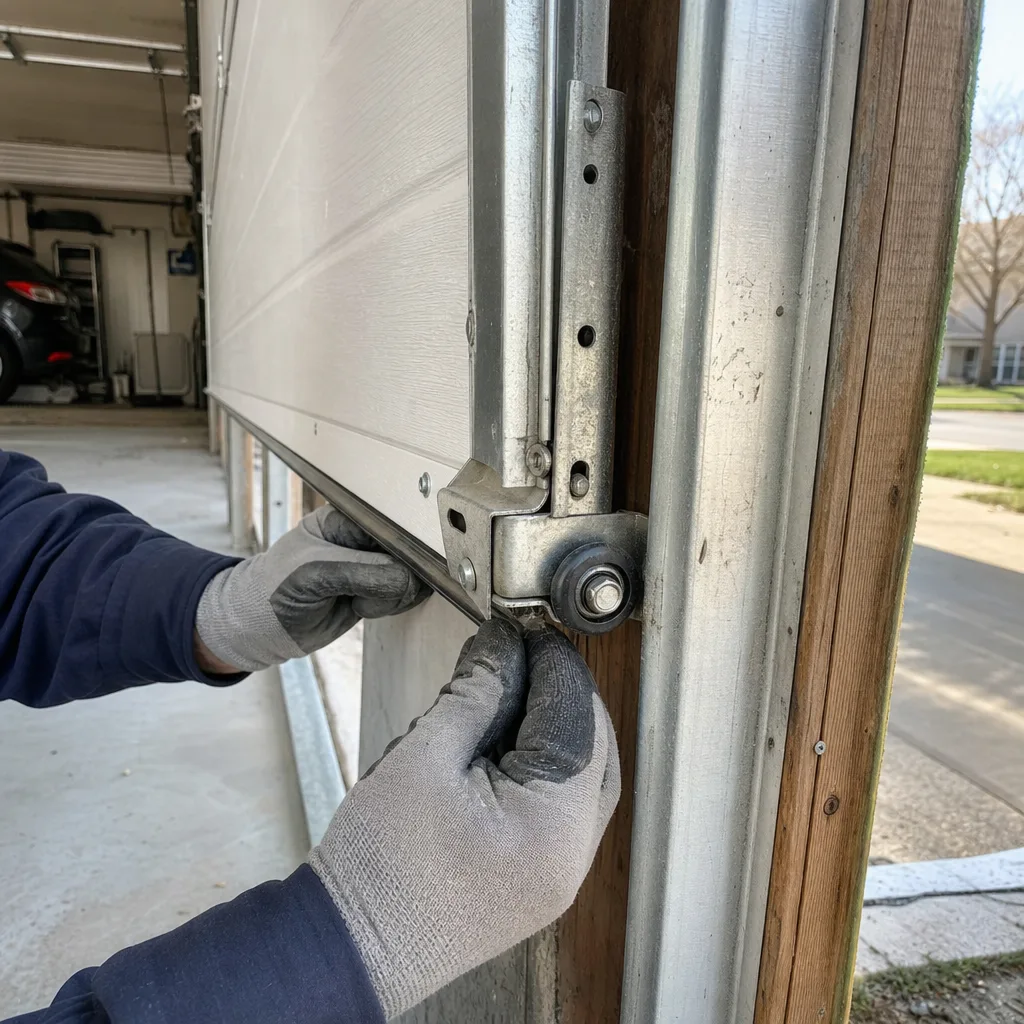
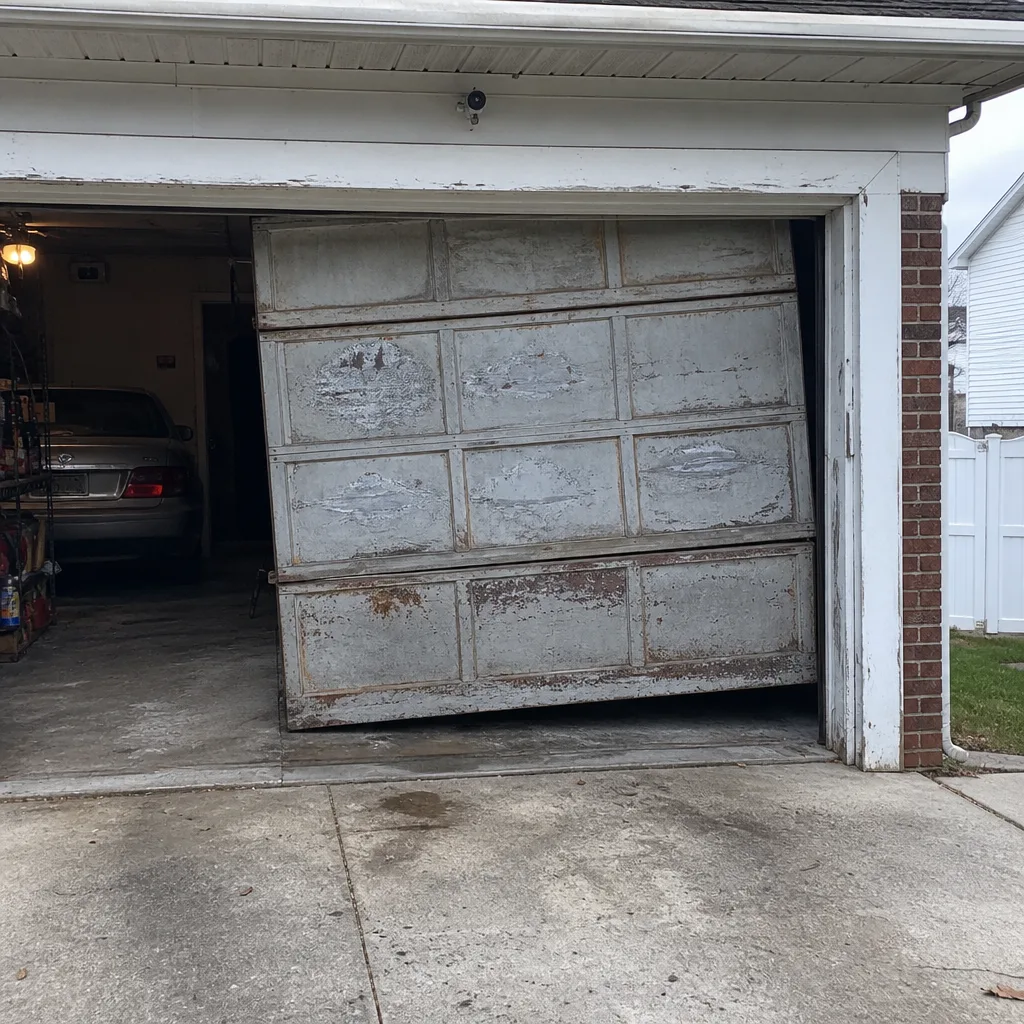
An off-track door is the one that looks alarming and usually isn’t catastrophic, but it needs to be handled carefully. The symptoms are visible: a panel that’s popped out of its roller, a door that rises unevenly with one side lagging, a scraping sound as the door moves, or a door that stops partway and won’t budge. Off-track doors typically happen after a car clips the bottom panel, after a hard jolt in cold weather, or from a roller that’s worn out and finally let go.
What to do:
- Stop operating the door immediately. Don’t run the opener again to “see if it fixes itself.” Every cycle with a misaligned panel stresses the tracks, the hinges, and the opener’s drive system, and turns a panel repair into a track replacement.
- Look at the gap. If a single roller is out of its track and the door is otherwise sitting straight, the repair is usually quick. If the door is visibly crooked or a panel is bent, don’t try to push it back into place. Panels are heavier than they look and can pinch fingers or fall.
- Don’t loosen the track bolts to “give it room.” Track alignment is measured in fractions of an inch. Backing off the bolts usually makes the misalignment worse and can drop the door.
- Photograph the affected area. A photo of the popped roller or bent panel makes the diagnosis faster when you call.
Panel and door damage from an off-track event is where brand familiarity actually matters. If your door is a Clopay or an Amarr, the panel profile and hinge pattern differ, and a technician who works on those doors regularly will know what replacement panel matches without guessing. Our technicians are factory-familiar with Clopay, Amarr, Wayne Dalton, and Raynor, so the diagnosis is a straight read, not an experiment.
Opener Failure: Motor Runs, Door Doesn’t Move
This one puzzles homeowners because it sounds like the door is working. You press the remote, the motor hums, and nothing happens. The motor is running, but the door isn’t moving. In practice, this is usually one of a handful of causes: the trolley has come loose from the carriage, the drive belt or chain has slipped or broken, the travel limits have drifted, or the safety sensors are misaligned and telling the opener to stop. It’s also, sometimes, a symptom of a door that’s too heavy for the opener to lift because the springs are failing.
Here’s the checklist to run:
- Check the safety sensors first. They’re the two small lenses near the floor on either side of the door, and they need a clear line of sight to each other. If one has been knocked out of alignment or has dust or a cobweb on the lens, the opener will run but won’t move the door. This is the most common cause and the easiest fix.
- Listen for the drive. If the motor runs but the door doesn’t, try to hear whether the chain or belt is moving. A running motor with a still chain points to a stripped gear or a snapped belt; a running motor with a moving chain but a still door points to a disconnected trolley.
- Look at the wall control. If the wall button works but the remote doesn’t, that’s a remote or receiver issue, not an opener failure.
- Don’t manually lift the door to test it unless it’s disconnected and you’re sure the springs are intact. If the door feels heavy, the springs are the problem, not the opener.
Openers from LiftMaster and Chamberlain, including the smart models with the myQ app, are the two we see most in Elmhurst. The smart systems are convenient, but they add a layer to the diagnosis: a LiftMaster that’s showing “offline” in the app may be a Wi-Fi issue, not a hardware failure, and a Chamberlain that won’t respond to the app may still work fine from the wall control or the remote. Our garage door opener repair covers both legacy and connected systems, so the diagnosis accounts for the app, the sensors, the drive, and the door balance together, not just the motor.
The Emergency Release Cord: When to Pull It and When Not To
The emergency release cord is the red handle hanging from the trolley on most openers. Pulling it disengages the trolley from the door, which lets you operate the door by hand during a power outage. That’s its purpose. It is not a fix, and pulling it at the wrong moment is the single most dangerous thing a homeowner can do during a garage door emergency.
The rule is simple: pull the emergency release only if the door is balanced and moves freely by hand. If the door is heavy, if a spring appears broken, or if the door is off its tracks, leave the cord alone. The cord doesn’t fix a broken spring; it just leaves the door without the opener’s support, and the door comes down.
When it’s safe to pull the cord and operate manually (power outage, no spring damage, door lifts with normal effort), here’s the sequence:
- Close the door fully first, if it’s up. Never pull the cord with the door open.
- With the door down, pull the cord straight down until it clicks into the disengaged position.
- Lift the door slowly by hand. If it feels heavy at any point, stop and lower it. A door that’s heavy by hand has a spring problem, and it needs a technician before you use it again.
- To re-engage, close the door fully, then run the opener. The trolley will reconnect.
If you’re unsure whether the door is balanced, don’t guess. That’s a phone call, not a hand-test. A brief conversation with a technician will tell you whether you can move the door yourself or whether you should leave it and wait.
What to Document Before an Emergency
The single best preparation for a garage door emergency is a five-minute documentation session that saves a technician twenty minutes and saves you a misdiagnosis. When you call in an emergency, the technician needs three facts to arrive prepared: the door’s weight and spring type, the opener’s model, and the door’s approximate age and brand. Most of that is stamped somewhere on the door or the opener, and you can find it in a few minutes with a flashlight.
Here’s what to record:
- The door weight and spring rating. The spring coil itself often has a painted or stamped rating on it (the IPPT number, or “inch-pounds per turn,” which describes how much torque the spring gives). If you can’t read the spring, the door label on the inside panel often lists the door’s weight. Write both down if you can find them. If the sticker is gone, don’t guess; the technician can measure it on-site.
- The opener model number. On a LiftMaster, the model label is usually on the back or underside of the motor housing, and on a Chamberlain it’s in the same spot. Write the model and the manufacture date. Note whether you have a smart model with the myQ app, since that changes the diagnostic path.
- The door brand. Look for a label on the inside of a panel. Clopay, Amarr, Wayne Dalton, Craftsman, and Raynor doors each have a distinctive profile, and the label confirms it.
- Your door’s age and repair history. If you’ve had a spring replaced, note when. If a panel was repaired, note what was done. This is the fastest way for a technician to understand what they’re walking into.
- A photo of the whole door, inside and out. Take one from the inside with the door closed and one from the outside. This gives the technician a visual before they arrive.
Keep it in your phone or on the fridge. When a door fails, you’ll have the facts ready, and the call gets shorter and the diagnosis gets faster. That’s the difference between a technician who arrives knowing what to do and one who arrives guessing.
Elmhurst’s Seasonal Pattern: Why Failures Cluster
Garage door failures in Elmhurst don’t happen evenly across the year. They cluster, and the clusters are predictable. The first is the January cold snap, when temperatures drop into the teens and single digits and torsion springs, which are under constant tension, become brittle. A spring that’s near the end of its cycle life is more likely to snap on the coldest night of the year than on a mild afternoon in May. That’s not a coincidence; it’s metallurgy. Cold makes steel less ductile, and a spring that’s been slowly losing tension over years is most likely to fail when the temperature drops. After a cold snap, we typically get a run of spring calls in Elmhurst, and the pattern is the same across the older housing stock in neighborhoods like Elmhurst Gardens and the areas around Queens Boulevard, where doors are often older than the homes’ current owners.
The second cluster is the summer heat. Opener motors, especially older ones, run hotter in July and August, and a motor that’s been running at the edge of its capacity for years can burn out during a heat wave. The third is the slow accumulation of deferred maintenance: cables that were never replaced, rollers that were never lubricated, and hinges that have been dry for years. Those failures don’t cluster; they just happen eventually. The result is that most emergencies in Elmhurst fall into one of two categories: a hard seasonal failure that’s easy to predict, and a slow failure that’s easy to prevent.
Preparedness is about knowing which category your door is in. If your door is more than ten years old and you’ve never had the springs or cables inspected, you’re in the slow-failure category whether or not you’ve had a problem yet. A spring inspection is a quick visit, and it’s the cheapest way to avoid a January emergency.
Stuck Open: Temporary Security Measures
A door that’s stuck open is a security problem as much as a mechanical one. You can’t close it, the garage is exposed, and it’s the middle of the night. The right response is temporary, simple, and safe: secure the door, leave the mechanism alone, and get a technician out to fix it properly.
What to do:
- Use the existing lock bar if your door has one. Most older doors have a manual lock bar on the inside that slides through the track or into the door frame. If the door is down, engage it. If the door is up, the lock bar isn’t useful, and you’ll need another approach.
- If the door can’t be lowered, secure the opening from the inside. A heavy piece of furniture or a barricade in front of the opening is not a substitute for a locked door, but it buys time. Don’t use a ladder or anything that could tip.
- Don’t wedge the door open with wood blocks near the spring. This is a common improvisation and a dangerous one: a block placed near the spring can be struck by the door if it shifts, and a door propped open with blocks is now unsecured and unstable. If the door needs to stay up, leave it up and secure the opening another way.
- Call for a technician. A door that’s stuck open is a genuine emergency for security reasons, and it should be treated as one. Call (877) 554-9033. We answer 24/7. Fast dispatch from 7am to 7pm, Sunday through Friday.
One thing we tell every homeowner who calls about a stuck-open door: don’t try to force it closed. A door that won’t close is usually a sensor, a track, or a spring problem, and forcing it turns a repair into a replacement. Secure the opening and let a technician fix the mechanism.
Common Mistakes to Avoid
- Pulling the emergency release cord on a door with a broken spring. This is the most dangerous mistake on the list. The cord disengages the trolley, which leaves the full weight of the door unsupported. On a door with a broken spring, that means it drops.
- Manually forcing a heavy door. If the door feels heavy when you lift it, the springs are failing, and lifting it by hand puts the full weight on your back, your arms, and the door’s panels. Stop and call.
- Running the opener on a misaligned door. A door off its tracks will get worse with every cycle. Running the opener to “see if it works” is how a panel repair becomes a track replacement.
- Wedging the door open with blocks near the spring. A block near the spring is a hazard. If the door shifts, the block goes flying, and the door is left unsecured.
- Using a generic replacement spring without matching the rating. A spring’s IPPT rating has to match the door’s weight. A mismatched spring will either leave the door heavy or over-tensioned, and either one is a problem. Let a technician size the spring.
- Assuming a smart opener that’s offline is broken. A LiftMaster or Chamberlain that’s offline in the app may just have a Wi-Fi issue. Check the wall control and the sensors before calling it a failure.
- Waiting until January to inspect an old door. Spring inspection in the fall is cheaper than an emergency in a cold snap. If your door is over ten years old, get it looked at before the cold sets in.
When to Call a Professional
Call a professional for any of these: a broken torsion or extension spring, a door that’s visibly off its tracks, an opener motor that runs but doesn’t move the door, a door that won’t close, a cable that’s snapped or frayed, or a door that’s stuck open and needs securing. In each of these cases, the repair requires either specialized tools (spring winding bars, cable tensioners) or a diagnosis that a homeowner can’t safely make. Our technicians have up to 13 years of experience, and they work on all the major brand systems, including LiftMaster, Chamberlain, Genie, Clopay, Amarr, Wayne Dalton, Craftsman, and Raynor. Elmhurst Garage Door Repair Pros offers free estimates in Elmhurst. Call (877) 554-9033. We answer 24/7. Fast dispatch from 7am to 7pm, Sunday through Friday. If you need a new door rather than a repair, our garage door installation team measures the opening, orders the door to fit, and schedules the install. The price is quoted and agreed before any work starts, and the written estimate sets the final price.
Frequently Asked Questions
Spring repair in Elmhurst typically runs in the range of a few hundred dollars for a single spring, and a matched pair costs about twice a single spring. The exact price depends on the spring type (torsion or extension), the door’s weight, and whether a technician has to replace the cables or rollers at the same time. The written estimate sets the final price, and the technician quotes it before any work starts. Call (877) 554-9033 for an exact quote; estimates are free.
Yes, same-day service is available. A door that won’t close is a security issue, so we prioritize it. Call (877) 554-9033. We answer 24/7. Fast dispatch from 7am to 7pm, Sunday through Friday. A call outside dispatch hours is booked into the next opening, Sunday through Friday, 7am to 7pm.
No. The technician quotes the work and you agree to it before anything starts. If the diagnosis reveals something that wasn’t in the original quote (a cracked panel, a worn cable that has to be replaced), you’ll hear about it and approve it before the work continues. The written estimate is the price.
The local professionals we connect you with are licensed and insured as their state requires. The technicians work on all eight of the major brand systems we service, including LiftMaster, Chamberlain, Genie, Clopay, Amarr, Wayne Dalton, Craftsman, and Raynor.
Secure the opening from the inside, don’t force the door closed, and don’t wedge it open with blocks near the spring. Then call (877) 554-9033. We answer 24/7. A call outside dispatch hours is booked into the next opening, Sunday through Friday, 7am to 7pm. For a door that’s stuck open, the first priority is security; the second is not making the mechanism worse.
It’s an emergency. A door with a broken spring has no counterbalance, and it can’t be operated safely by hand or by the opener. Leaving it in place is fine, but using it is not. If the door is down, leave it down. If it’s up, leave it up and secure the opening. Call (877) 554-9033 for a same-day estimate.
The Bottom Line
Garage door emergencies in Elmhurst are predictable, and that’s the good news. Spring failures cluster in the January cold, opener failures cluster in the summer heat, and slow failures from deferred maintenance happen on their own schedule. The homeowners who get through a failure in an hour instead of a panicked half-day have done three things in advance: they know not to pull the emergency release on a door with a broken spring, they’ve documented the door’s weight, spring rating, and opener model, and they have a phone number ready. Our technicians have up to 13 years of experience, and they work on whatever brand system is already on your home. If you’re in Elmhurst and your door has failed, call (877) 554-9033. We answer 24/7. Fast dispatch from 7am to 7pm, Sunday through Friday. If you’re preparing before a failure, start here: Elmhurst Garage Door Repair Pros covers the full range of repair and installation work, and a free estimate is the cheapest preparation you can do.
Written by the team at Elmhurst Garage Door Repair Pros.
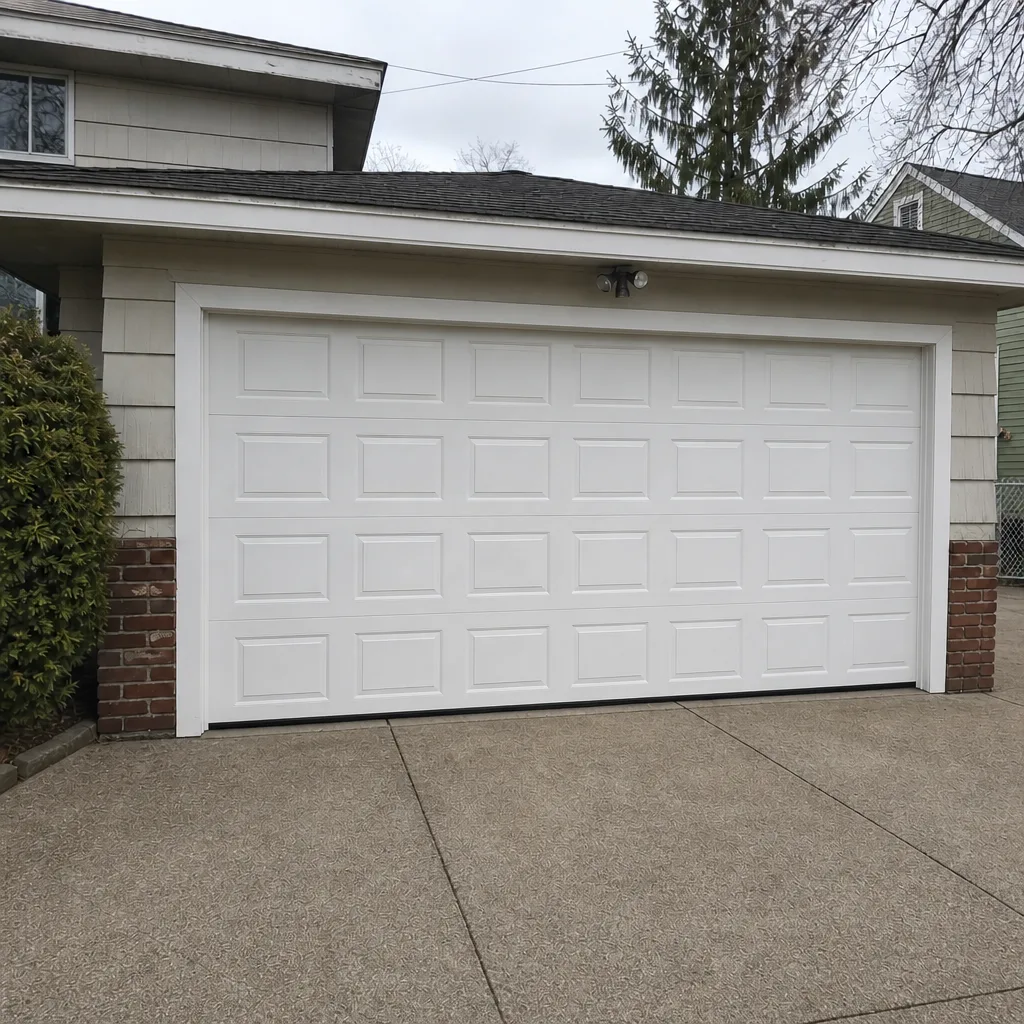
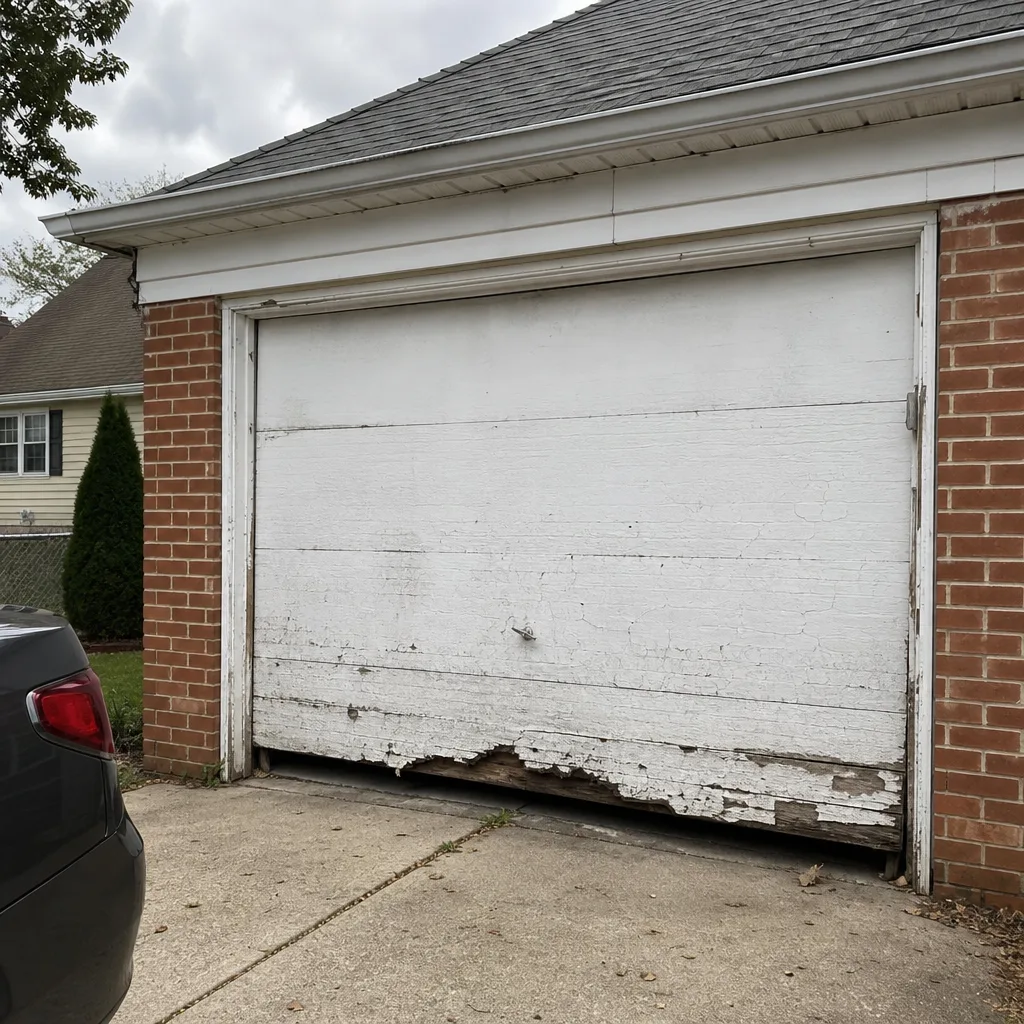
See the difference
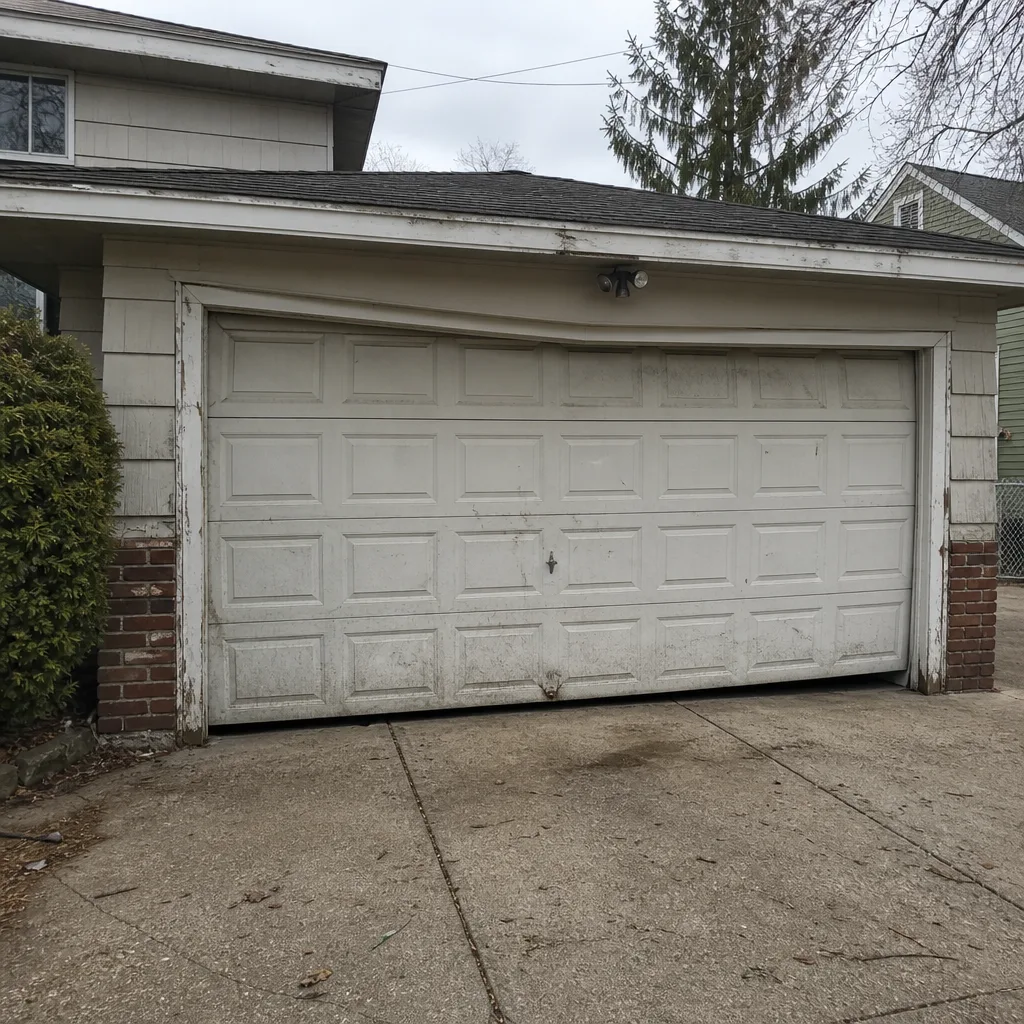 Before
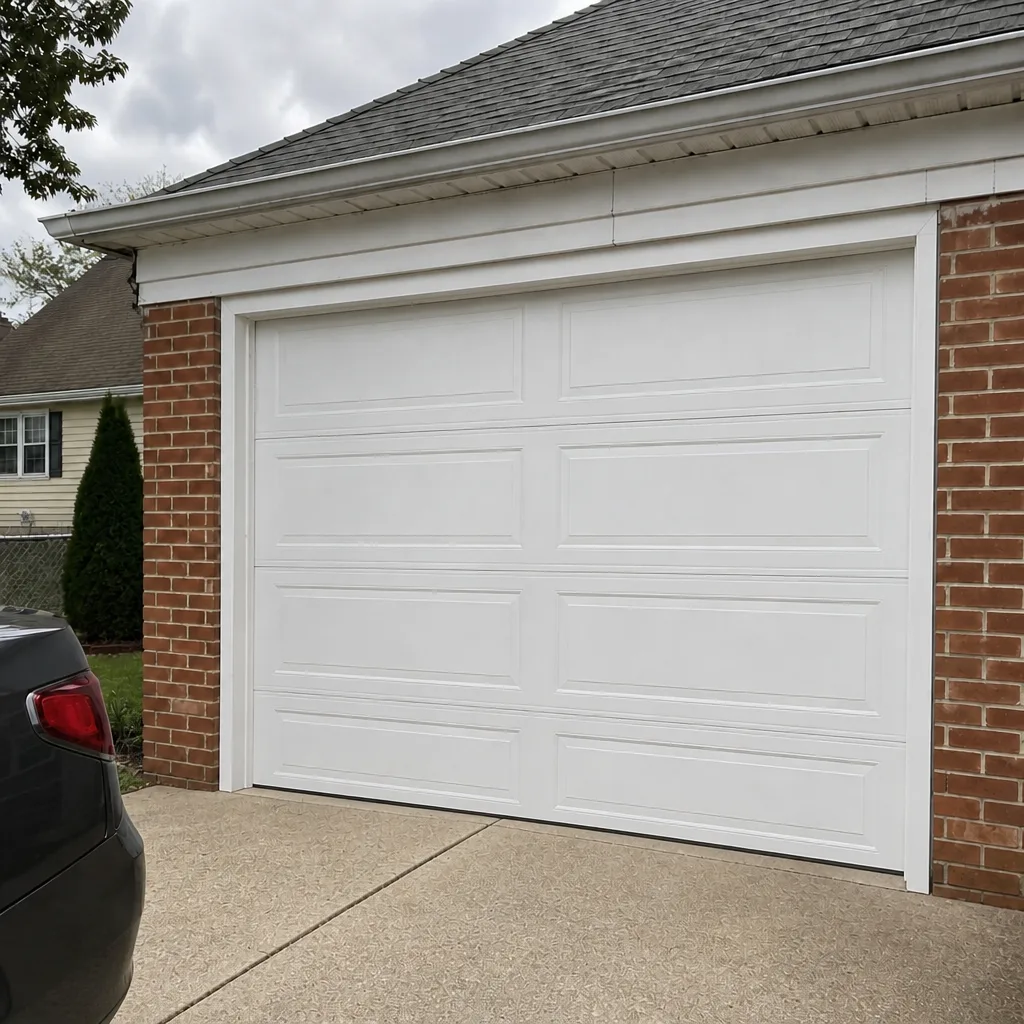
 After
 Before
 After
 Before
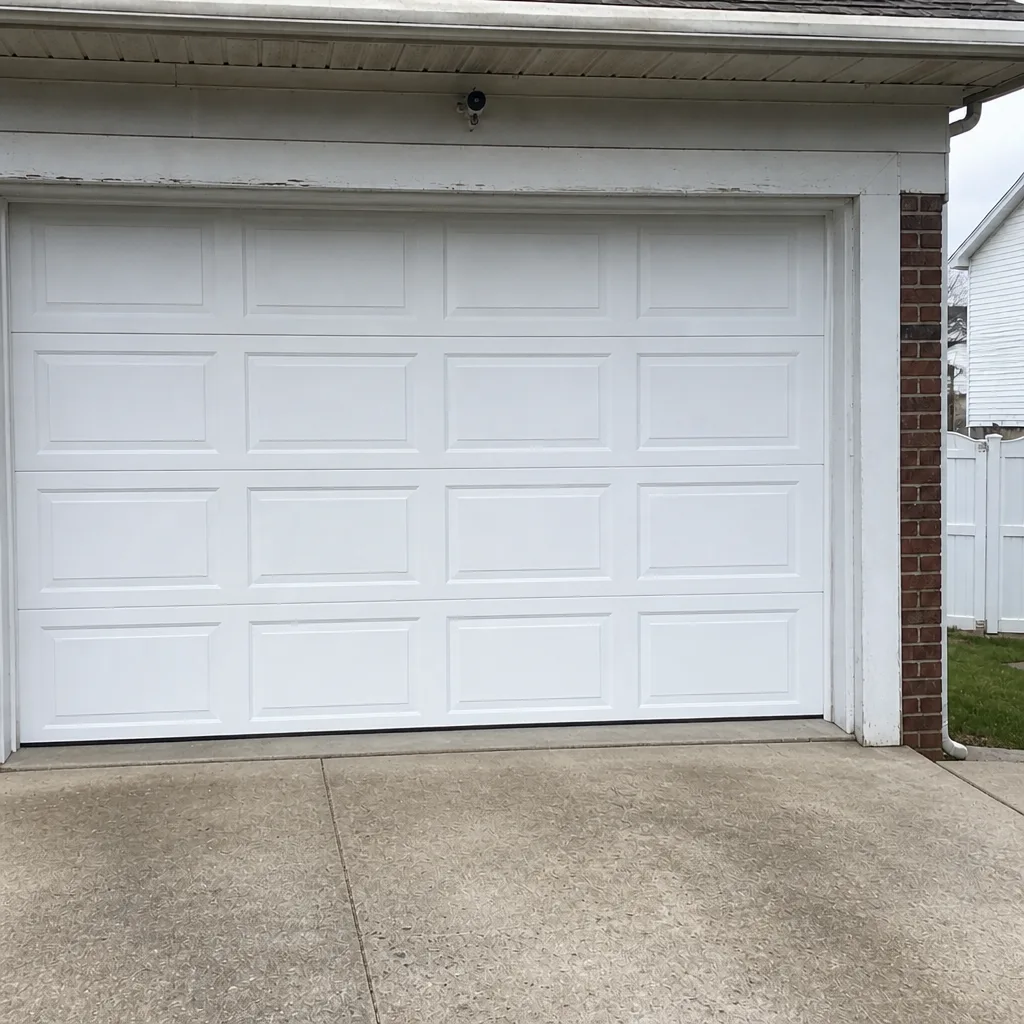 After