
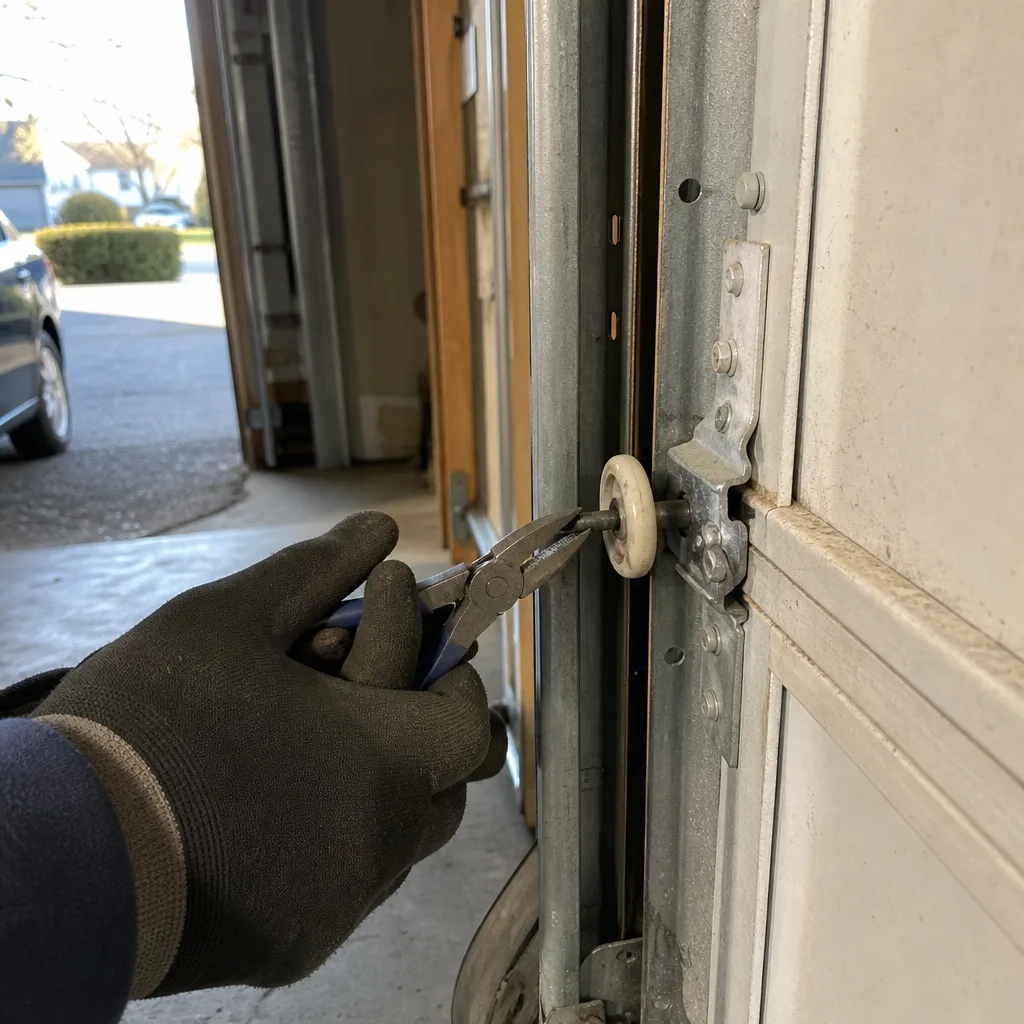
Last updated November 21, 2026
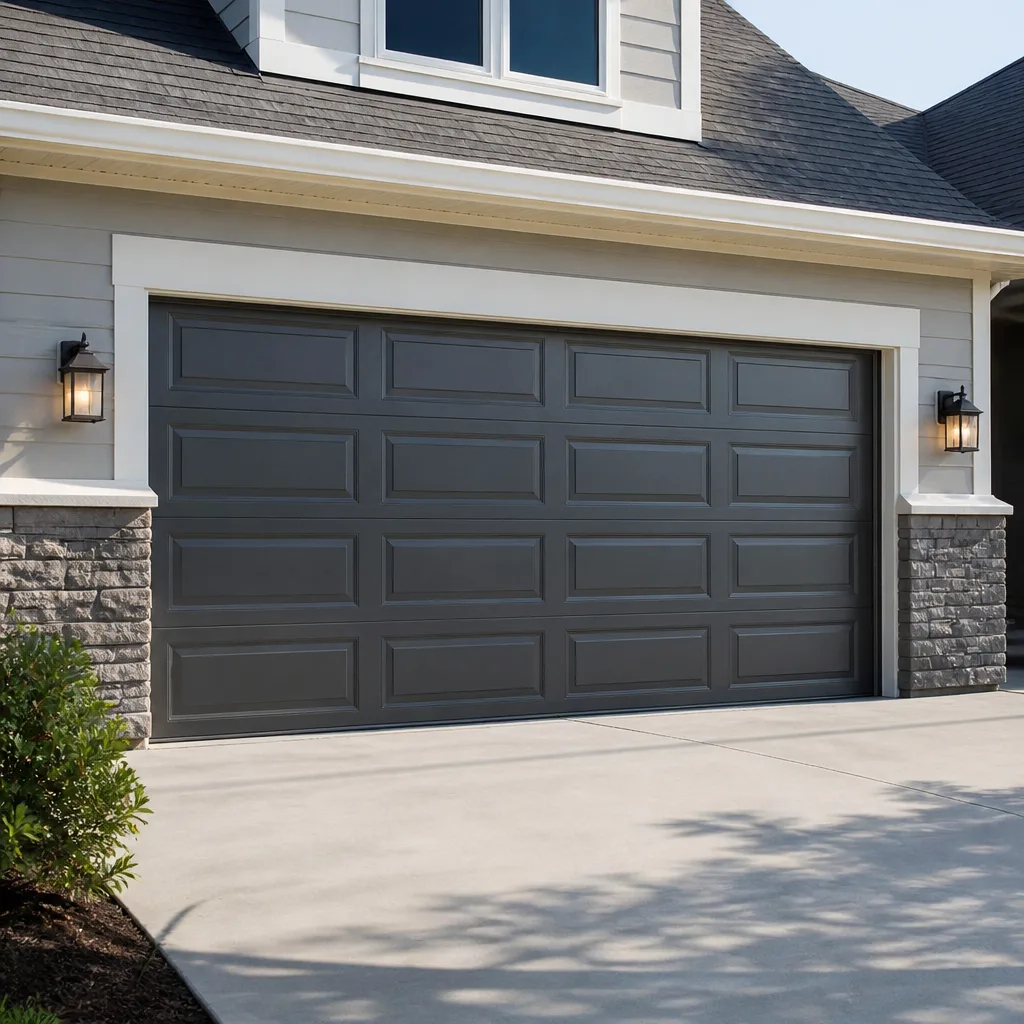 Raised-panel steel
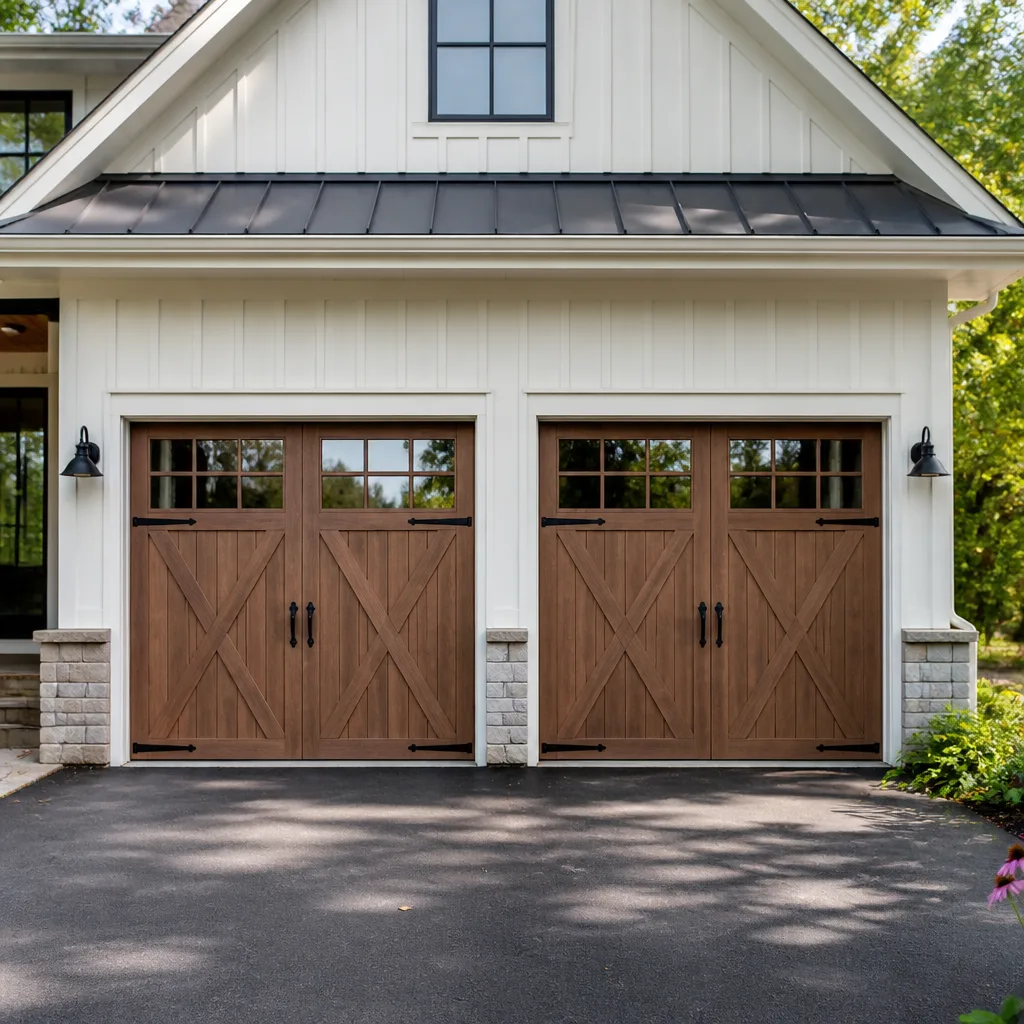 Carriage house
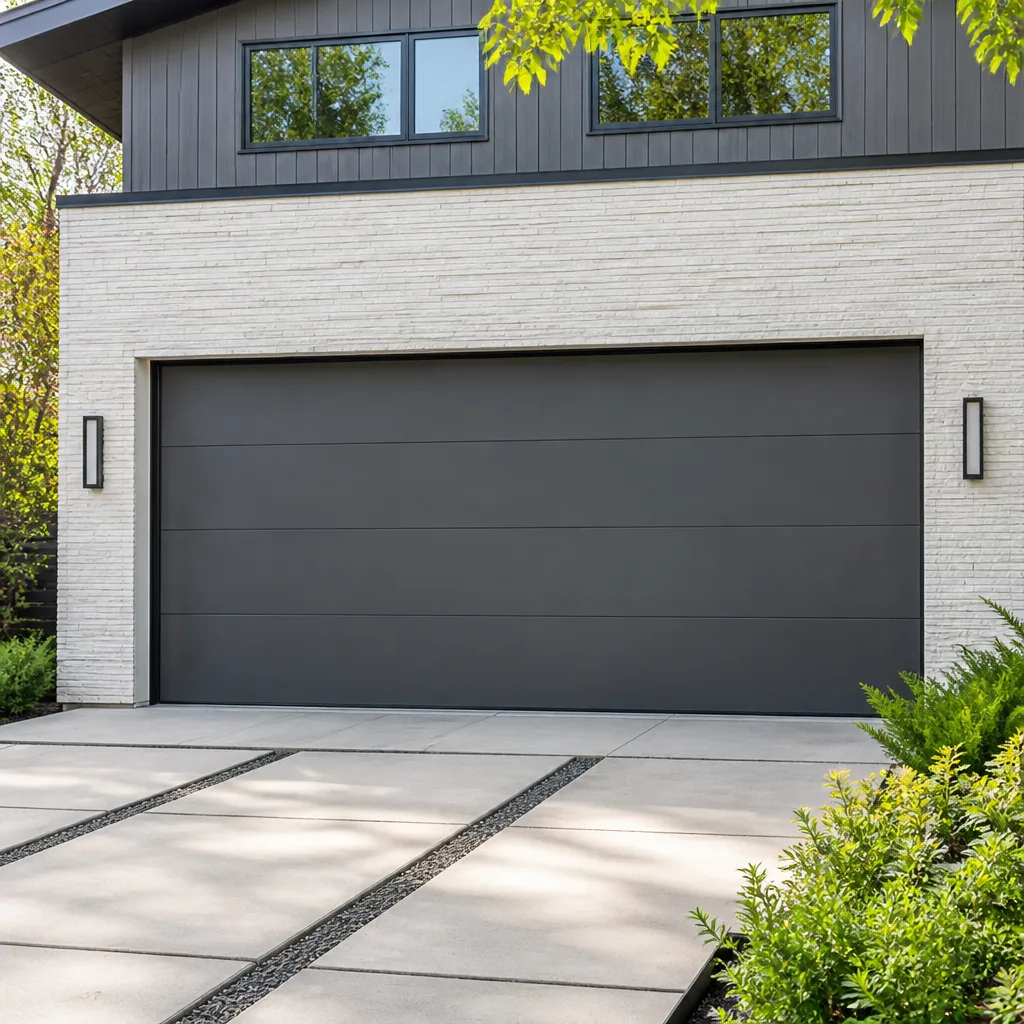 Modern flush
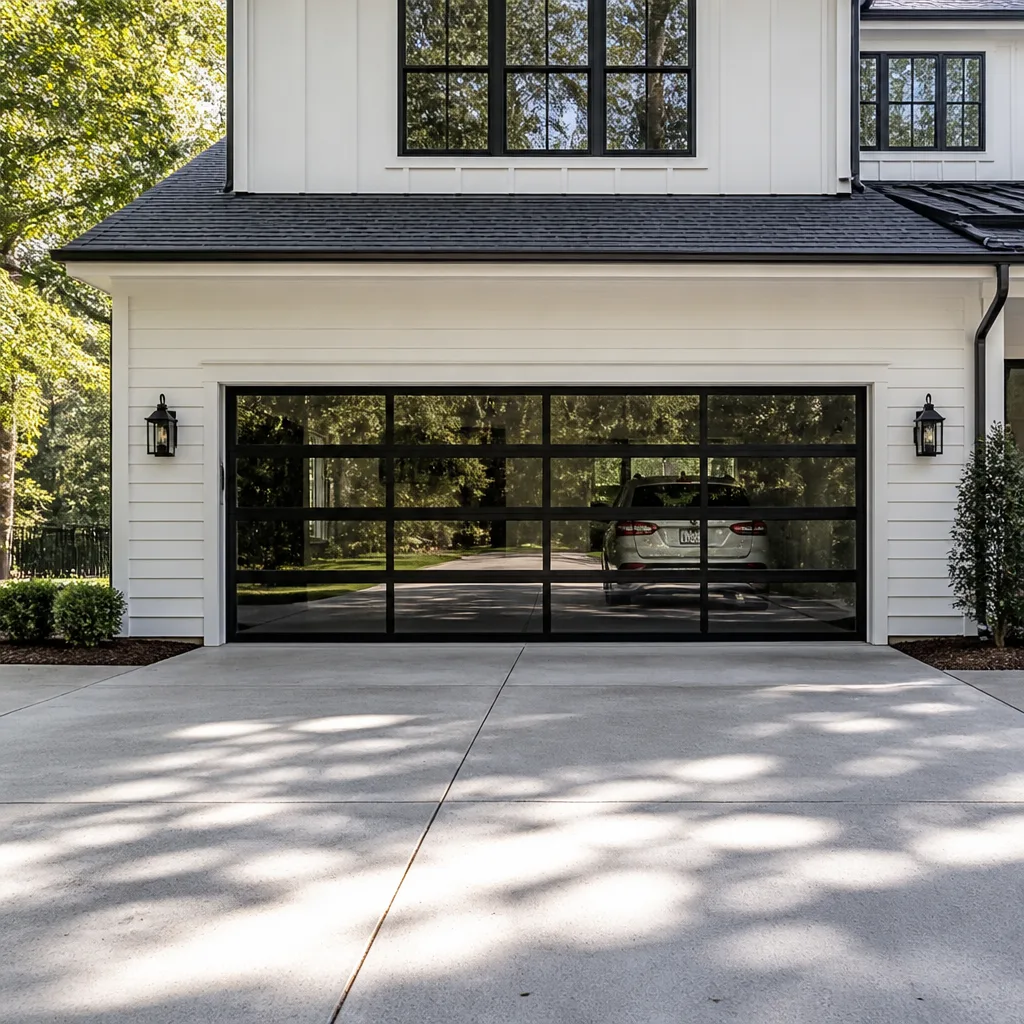 Full-view glass
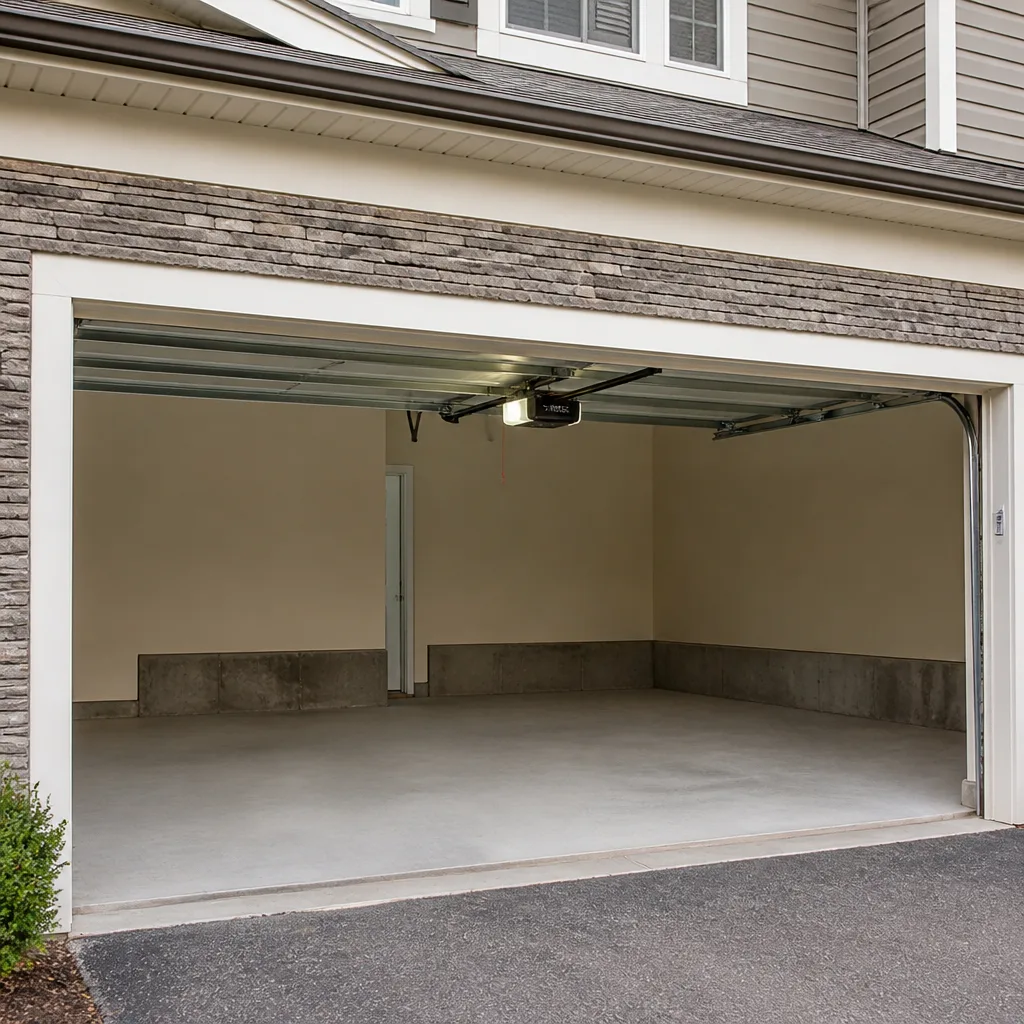 LiftMaster openers
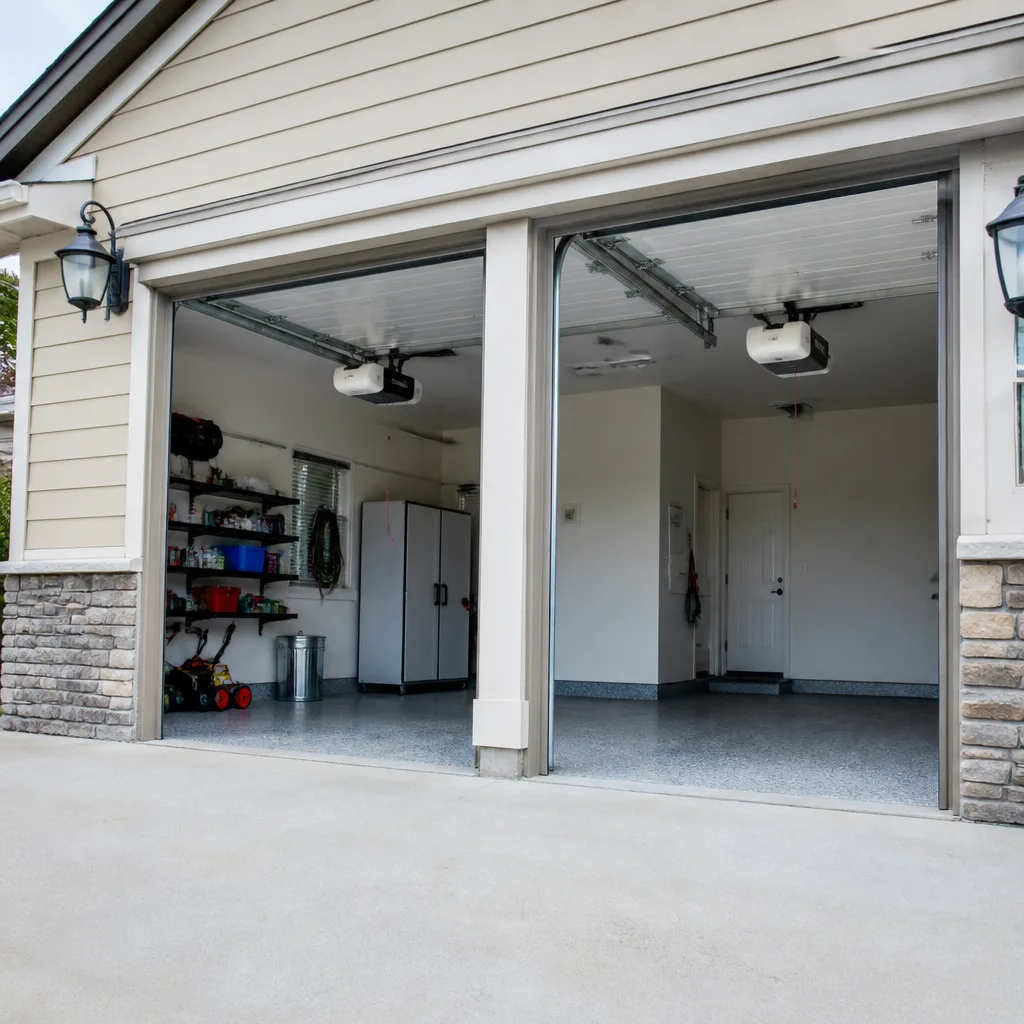 Chamberlain openers
Full 25-point door and opener safety check with every visit - springs, cables, rollers, tracks, and your LiftMaster or Chamberlain opener included
You get a price before we start. It does not change when the pro arrives.
Get your free estimateGarage Door Permits, Codes & Inspections in Elmhurst, NY: What You Need to Know
Here’s the part most homeowners get wrong: a garage door replacement isn’t automatically a permit-free job. The moment you widen the opening, change the header, or wire a new opener into a circuit that didn’t have one, you’re in permit territory under the NYC Administrative Code. Yet many Elmhurst homeowners are told the opposite by a contractor who wants to skip the filing and start swinging a hammer. That advice transfers the risk to you, not them. This guide covers exactly when a job needs a Department of Buildings filing, when a like-for-like swap stays exempt, how fire separation rules apply to attached garages, and what an unpermitted job looks like when you sell. We’ll walk through the Queens DOB pathway, the documents to ask for, and the mistakes that cost homeowners the most.
Quick Answer
A straight like-for-like garage door swap in Elmhurst, where you replace a door with the same size and no structural changes to the opening or header, typically does not require a DOB filing. Work that alters the opening, header, or structural framing does require a permit through the NYC Department of Buildings, usually as an alteration filing. Attached garages must also meet fire separation rules under NYC Building Code Section 406. Get the permit question settled before work starts, not after.
Styles & brands we work with
- Raised-panel steel
- Carriage house
- Modern flush
- Full-view glass
- LiftMaster openers
- Chamberlain openers
Table of Contents
- When Does a Garage Door Job Need a Permit in Elmhurst?
- Where the Structural Line Sits in NYC Building Code
- The Queens DOB Filing Pathway
- Fire Separation for Attached Garages
- How an Unpermitted Job Surfaces During a Home Sale
- What to Ask Your Contractor to Provide
- Inspections and Final Signoff
- A Permit and Code Checklist for Elmhurst Homeowners
When Does a Garage Door Job Need a Permit in Elmhurst?
A garage door job in Elmhurst needs a permit when it touches the structure of the opening – the header, the framing, the jambs, or the size of the opening itself. It typically does not need a permit when you’re replacing a door with the same dimensions and no structural work.
That line sounds simple. In practice, it’s where most confusion starts, because “just swapping the door” gets used to describe two very different jobs.
The like-for-like case is clean. You have a door of a given width and height. You buy a new door of the same width and height. The old door comes off the tracks, the new one goes on, the spring system gets matched to the new door’s weight, and you’re done. No new framing. No header change. No electrical work that didn’t exist before. That’s the scenario where homeowners reasonably skip the filing.
Now here’s the work that crosses the line:
- Widening the opening. If a new door needs more clearance and the framing has to move, that’s structural.
- Changing the header. A header is a load-bearing element. Cutting or replacing one is a structural alteration.
- Raising the opening height. If you’re trying to fit a taller door than the framing allows, you’re altering the building.
- Adding electrical work. Putting a new opener on a circuit that didn’t exist, or installing a new outlet for the opener, is electrical work and falls under separate filing rules.
- Converting an attached garage to living space, or changing what the garage is used for. That’s a use change, and it’s a larger conversation entirely.
In our experience across Elmhurst, the structural cases are usually tied to older two- and three-family homes where the original opening was built to a size that no current off-the-shelf Clopay or Amarr door matches exactly. Adjusting the opening to fit the new door turns a “swap” into an alteration. That’s worth asking about before you sign anything. If your job does need structural work alongside a new door, our garage door installation team walks through the sequence with the permit question on the table from the first visit.
Where the Structural Line Sits in NYC Building Code
NYC Building Code draws the structural line at the building’s load path. If a job changes how the building carries weight, or how the opening resists wind and load, it’s structural and it needs a filing. If it doesn’t, it usually doesn’t.
For a garage door, that breaks down like this:
- Identify whether the opening framing is load-bearing. In many Elmhurst homes, the wall above the garage door opening carries roof or floor load down to the foundation through a header. That header matters.
- Check whether the new door changes the load on that header. A heavier door with a heavier spring system can change the load profile even if the opening size stays the same. This is a case-by-case call.
- Check whether the door is part of a fire-rated assembly. Attached garages and door-between-garage-and-living-space setups are fire-rated assemblies under the code. Replacing a door in that assembly isn’t the same as replacing an exterior-only door.
- Check whether the track and spring anchoring requires new framing. Low-headroom setups, high-lift setups, and any change to the track geometry can require anchoring into new framing.
- If any of 1-4 is true, talk to the DOB. File or ask a licensed professional to file for you.
None of this is a reason to panic. It’s a map of where the risk actually sits. A straight swap of a same-size door stays on the safe side of the line. A job that touches framing, load, or the fire-rated assembly doesn’t.
In our experience in Queens, the most common surprise shows up on homes that were retrofitted decades ago and never fully documented. A homeowner buys the house thinking the garage door was original equipment. The framing tells a different story. When that mismatch turns up, the honest answer is to bring the DOB in rather than paper over it.
The Queens DOB Filing Pathway
Queens garage door work is filed through the NYC Department of Buildings, and the filing type depends on the scope. Most structural garage door alterations land as an Alt-2 (an alteration that doesn’t change use or occupancy but does change the building’s structure or egress). Smaller, limited-scope work can sometimes be filed under a minor alteration depending on what’s changed.
Here’s the general shape of the process:
- Confirm the scope in writing. What exactly is changing – opening size, header, framing, electrical, fire-rated assembly? That scope sets the filing type.
- Talk to the DOB first. A call to the Queens Borough Office before the design is locked in saves weeks. Ask them directly: given this scope, what filing type applies? That answer is the one that counts. Nothing in this guide replaces their specific ruling on your property.
- Have a licensed professional prepare the filing. Structural alterations require a licensed architect or engineer to sign off on the drawings. Many general contractors will coordinate this – make sure that’s spelled out in the contract.
- File, and wait for plan review. Timing varies. Budget for weeks, not days.
- Get the permit issued before work starts. Not after, not during.
- Complete the work per the approved plans. Any deviation triggers a new filing.
- Request the final inspection. Get the signoff in writing. Keep it with your deed and closing documents.
For a straight replacement door – no structural change, no new electrical circuit – the typical answer is no DOB filing at all. For a change to the opening or header, expect a real filing, a real plan review, and a real cost. That’s the trade-off: a slower job with a clean record, vs. a fast job with a liability tagged to your address. The second option always looks cheaper up front and rarely is. If you’re in the middle of a bigger door job and want the repair side sorted first, our garage door repair team can get the door working safely while you sort the paperwork.
Fire Separation for Attached Garages
NYC Building Code Section 406 sets fire separation requirements for attached garages. The short version: if your garage is attached to the house – sharing a wall, sharing a ceiling, or connected to living space – the wall, ceiling, and door between the garage and the house have a code-mandated fire-resistance rating.
The reasoning is straightforward. A garage is where a car, gasoline, paint, propane, and tools with batteries live. It’s a fire risk zone. The code wants that fire risk contained, with time for people inside the home to get out. The rated assembly buys that time.
Where this hits garage doors specifically:
- The door between the garage and the house (the “garage entry door,” not the overhead door) carries a fire rating. It’s not a standard interior door. It’s rated, and it self-closes. If you’re replacing it, replace it with a rated door.
- Walls and ceilings shared between garage and living space carry a rating. If a structural change to your overhead garage door opening requires reworking the framing in a shared wall, the fire rating has to survive that change.
- Doors in the rated assembly can’t be propped or removed. A self-closing door in a fire-rated assembly has to actually self-close.
- Adding an opener to a fire-rated door assembly requires care. If the opener interferes with the door’s self-closing operation, it’s a code problem.
Elmhurst has plenty of attached garages, especially in the two- and three-family homes around the older blocks near Broadway and Queens Boulevard. If your garage shares a wall with a unit you or someone else lives in, assume the fire separation rule applies until you can prove otherwise. Ask the DOB directly if your specific setup is unclear. It’s a five-minute question that can save a lot of rework. If you’re sizing a new door for that kind of assembly, our installation team will flag the fire-rating question before the door is ordered.
How an Unpermitted Job Surfaces During a Home Sale
An unpermitted garage door job will typically surface during the buyer’s due diligence, most often at the certificate of occupancy review or the title search, and it will hold up closing until it’s resolved.
Here’s how it plays out, in order:
- The buyer’s attorney pulls the certificate of occupancy (C of O) and the DOB records for the property. Any alteration that should have been filed but wasn’t shows up as a gap.
- They compare what’s on the C of O to what’s actually standing on the property. A garage opening that got widened without a filing is exactly the kind of discrepancy the review catches.
- They flag it. In most transactions, the buyer’s attorney asks the seller to either produce the signoffs from the DOB or open a legalization filing before the deal closes.
- The certificate of occupancy review can also flag open permits. An open permit that was started but never closed shows up in the DOB system and can trigger a stop-work in a worse case.
- The loan can be affected. Lenders who underwrite based on the C of O can push back when the property doesn’t match the records.
That’s the real cost of a fast job with no paperwork. Not a fine. Not a citation. A closing that stalls for weeks while you file retroactively, pay expediter and architect fees, and hope the final inspection passes on a job that was never done to plans. In our experience helping Elmhurst homeowners work through door repairs and installations, the jobs with clean records move through a sale quickly. The jobs without them don’t.
If you’re buying or selling in Elmhurst and the garage door work is in question, ask the seller’s side for the DOB filing number and the final inspection signoff. If they can’t produce either, treat it as an open question that has to be settled before closing.
What to Ask Your Contractor to Provide
Before a contractor touches your garage door, ask for three things: a certificate of insurance, a DOB filing number if a permit is required, and the final inspection signoff when the work is done. Get all three in writing.
The full list of what to vet, in order:
- Certificate of insurance (COI). Ask for it before work starts. It should show general liability coverage at minimum, and you want to be named as certificate holder if the job involves structural or electrical work.
- Workers’ compensation coverage. If a technician gets hurt on your property and the contractor doesn’t carry coverage, the exposure can land on your homeowners policy.
- New York State licensing where required. Ask what license applies to the scope and get the license number. The local pro you work with is licensed and insured as their state requires.
- DOB filing number, if a permit applies. The number should be issued before the work begins. A contractor who can’t produce this on request, when a permit is required, is a red flag.
- Scope in writing. Door size, opener model, spring type (torsion vs. extension), spring wire gauge or cycle rating, and the exact work included. Vague scopes are how disputes start.
- Written price before work starts. The price you agree to is the price you pay. Any reputable contractor will quote and agree before any work begins.
- Final inspection signoff. If the work was permitted, this closes the filing. Without it you have an open permit, which is worse than no permit for a future sale.
- Manufacturer documentation for the door and opener. Clopay and Amarr both ship install sheets with their doors, and LiftMaster, Chamberlain, and Genie ship opener manuals. Those are the reference documents for the fire-rating and anchoring questions later.
None of these are hard to produce. Any contractor worth working with hands them over without being pushed. The one that pushes back on any of them is telling you something.
Inspections and Final Signoff
Permitted garage door work in Elmhurst gets inspected by the NYC Department of Buildings, and the final inspection signoff is what closes the filing. Without that signoff, the permit stays open, and an open permit is the exact thing that surfaces at a home sale.
What the inspection generally looks for, when the job is structural:
- The work matches the approved plans. Opening size, header detail, framing, and anchoring all have to match what was filed.
- The structural work carries the load it’s supposed to carry.
- The fire-rated assembly is intact. Where Section 406 applies, the wall, ceiling, and door are rated and the rated door self-closes.
- Electrical work (if separate filing) is completed to code. The opener circuit needs its own inspection signoff where one applies.
- Final clearance and open-permit check. The DOB confirms there’s nothing else outstanding on the job.
For a like-for-like replacement with no structural work and no permit required, there’s no inspection to schedule. That’s the cleanest case, and it’s the one most Elmhurst garage door jobs actually are. It’s just that the rest need the paperwork trail, and it’s worth knowing which side of the line your job lands on before you commit.
Call (877) 554-9033. We answer 24/7. Fast dispatch from 7am to 7pm, Sunday through Friday. Closed Saturday.
Elmhurst Garage Door Repair Pros works on LiftMaster, Chamberlain, Genie, Clopay, Amarr, Wayne Dalton, Craftsman, and Raynor equipment. Our technicians have up to 13 years of experience.
A Permit and Code Checklist for Elmhurst Homeowners
Run this checklist before you sign anything for a garage door job in Elmhurst. If the contractor can’t answer every item that applies, get a second opinion before you commit.
- Is the new door the same size as the old door? If yes to same-width, same-height, same-track-geometry, you’re likely in the like-for-like lane.
- Does the job touch the opening, header, or jambs? If yes, expect a DOB filing.
- Is new electrical work involved? A new opener on a new circuit means an electrical filing (separate from the structural filing, if both apply).
- Is the garage attached to the house? If yes, Section 406 fire separation rules apply to the shared wall, ceiling, and door between garage and living space.
- Is a permit required? If any answer above is a “yes,” call the Queens DOB Borough Office directly. Their ruling on your property is the only one that counts.
- Has the contractor produced a certificate of insurance? General liability at minimum, workers’ comp ideally. Signed, dated, current.
- Has the contractor produced a DOB filing number? Get it in writing before the work starts.
- Is the price in writing? The written price is the price. Any job that starts without a written price is a job where the price can change.
- Have you scheduled the final inspection? Get the signoff, keep the paperwork, and file it with your deed and closing documents.
- Are you keeping the door and opener documentation? Clopay, Amarr, LiftMaster, Chamberlain, and Genie all ship install and spec sheets with the equipment. Keep them.
If you’re mid-project and the paperwork has gone sideways, the practical fix is usually to finish the job to the plans that should have been filed, and file the record in sequence. Get a licensed professional to confirm the path, then get the DOB on the record. Nothing in this checklist substitutes for the DOB’s own answer on your specific property.
Common Mistakes to Avoid
- Trusting a verbal “you don’t need a permit.” Verbal permits don’t exist. If a filing applies, get the number in writing. If a contractor won’t put it in writing, that’s your answer. The Elmhurst homeowners who end up in the worst positions were always told the paperwork was taken care of.
- Widening the opening without a filing. This is the single biggest liability trigger on a garage door replacement. Structural openings get spotted during a home sale review, and unwinding the work later means redoing it to plans that should have been filed in the first place.
- Replacing a fire-rated door with an unrated one. On an attached garage in Elmhurst, the door between the garage and the house is a rated assembly. Replacing it with a standard interior door looks like a small upgrade and fails on a Section 406 review.
- Adding an opener to a fire-rated door without checking the self-closing operation. The opener can’t defeat the self-close. If the door in that assembly has to self-close to stay compliant, the opener has to be set up so it does.
- Skipping the final inspection. An open permit is worse than a slow one. If the work was permitted, the filing doesn’t close until the DOB signs off. Skipping that last step is the exact scenario a buyer’s attorney will pull up.
- Not asking for the certificate of insurance. If a technician is injured on your property, the exposure can land on your homeowners policy. Get the COI, dated and current, before work starts.
- Signing a scope that says “replace door.” Vague scopes leave too much room to argue about what was included. Push for a written scope that names the door size, spring type (torsion or extension), spring cycle rating, and opener model.
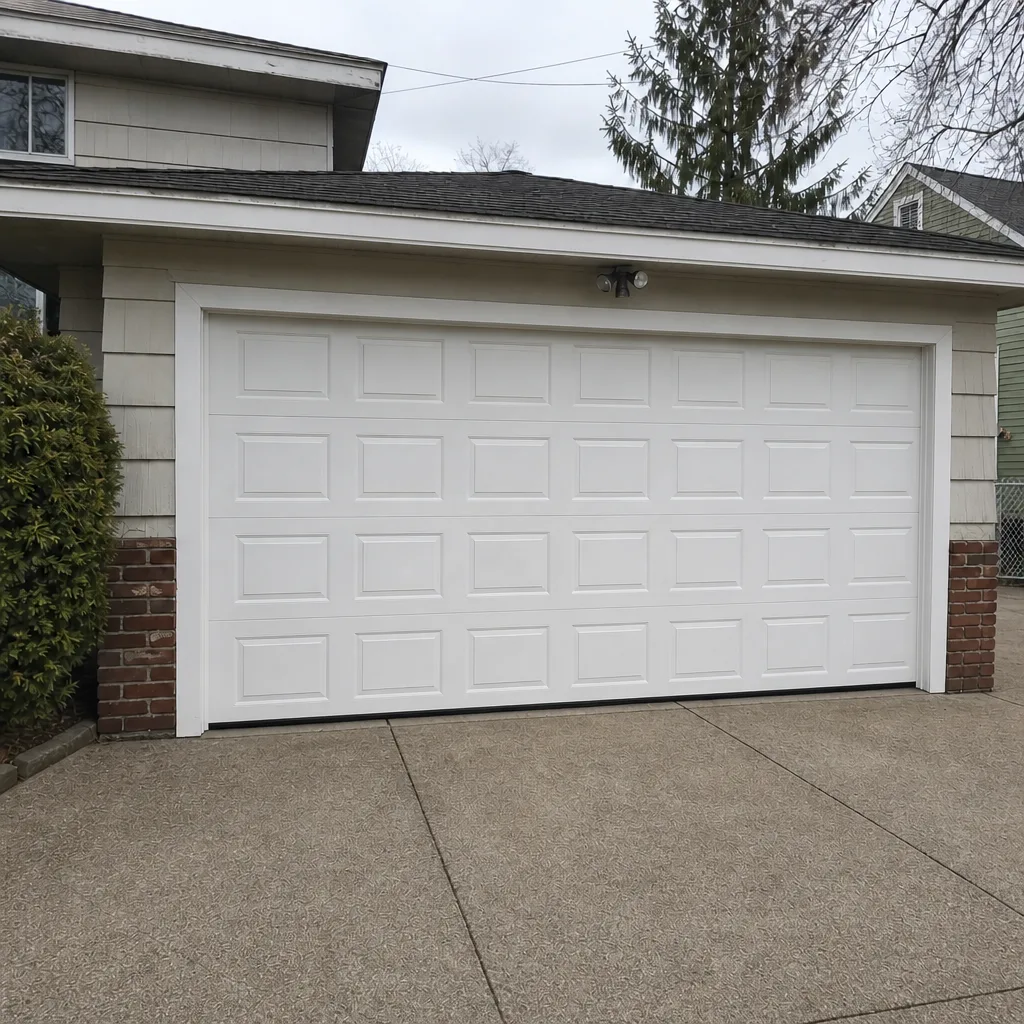
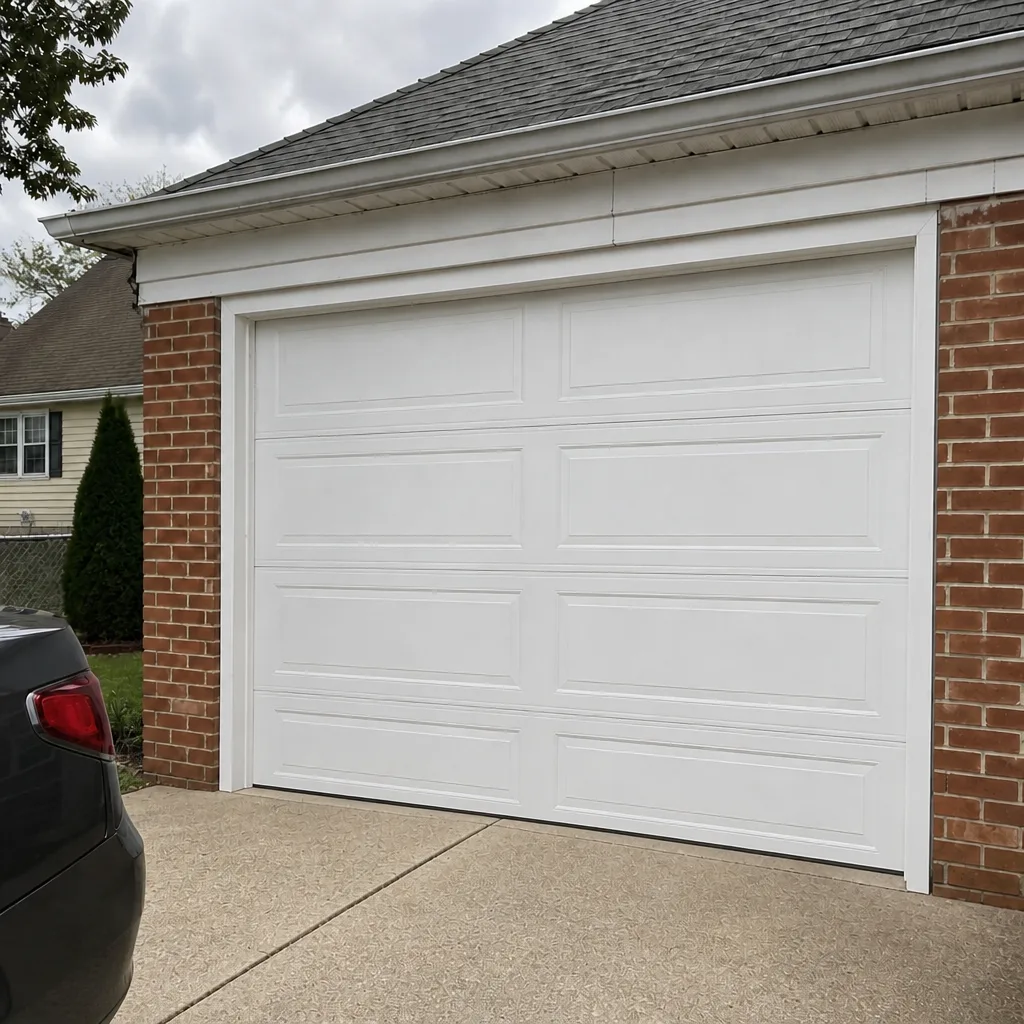
See the difference
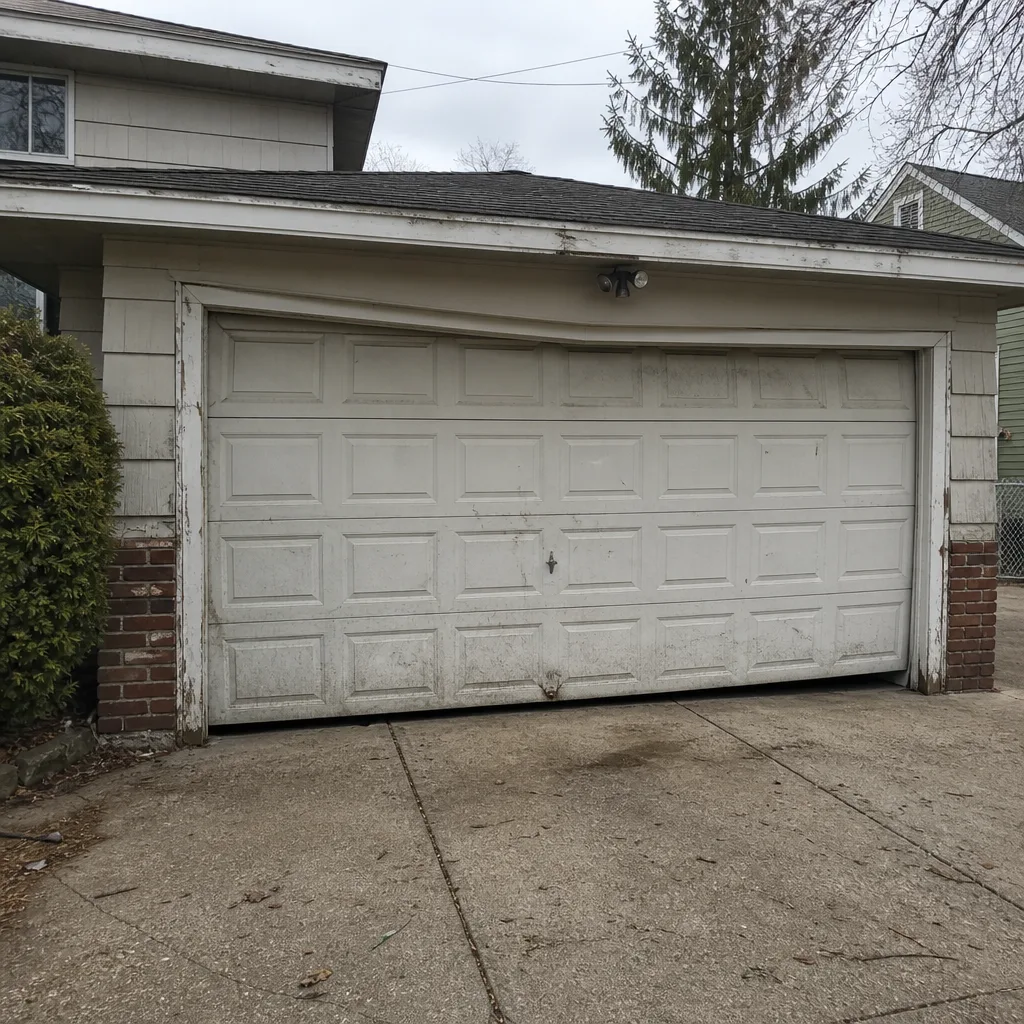 Before
 After
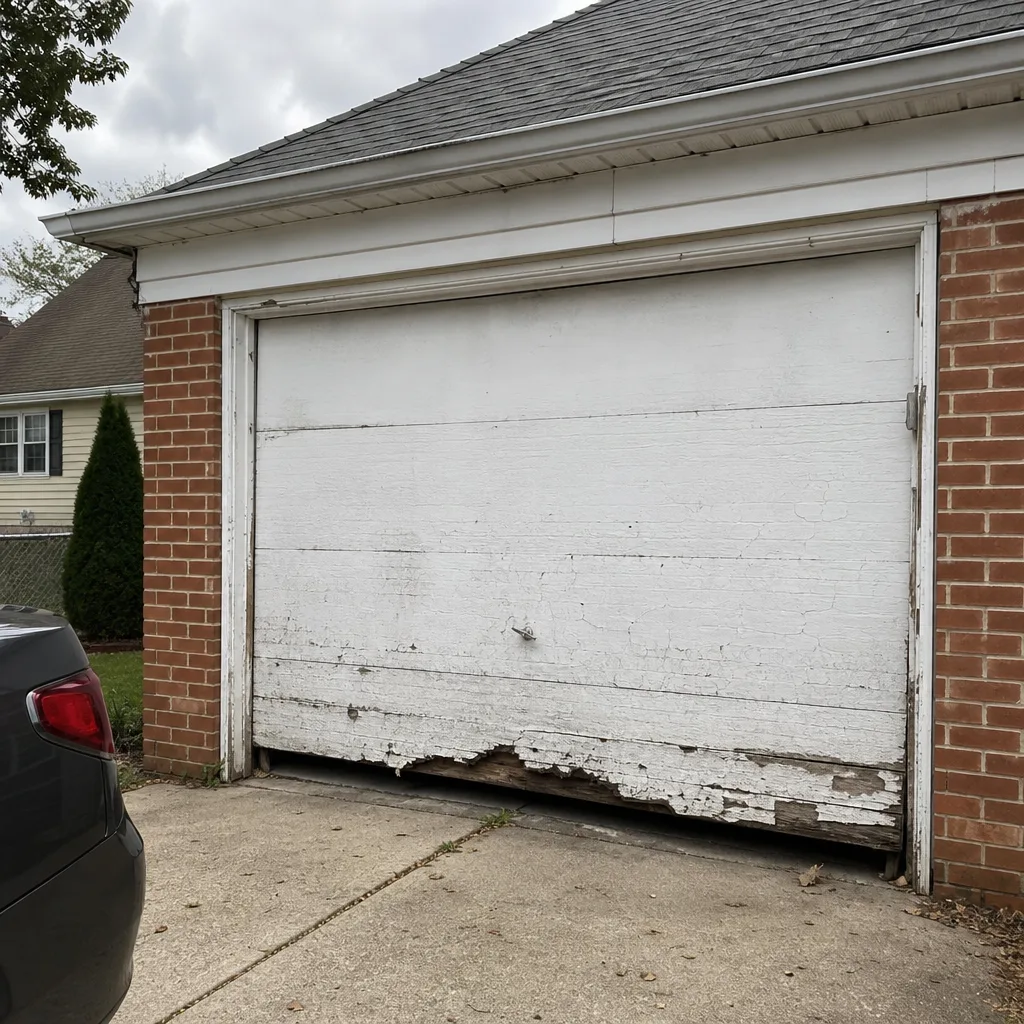 Before
 After
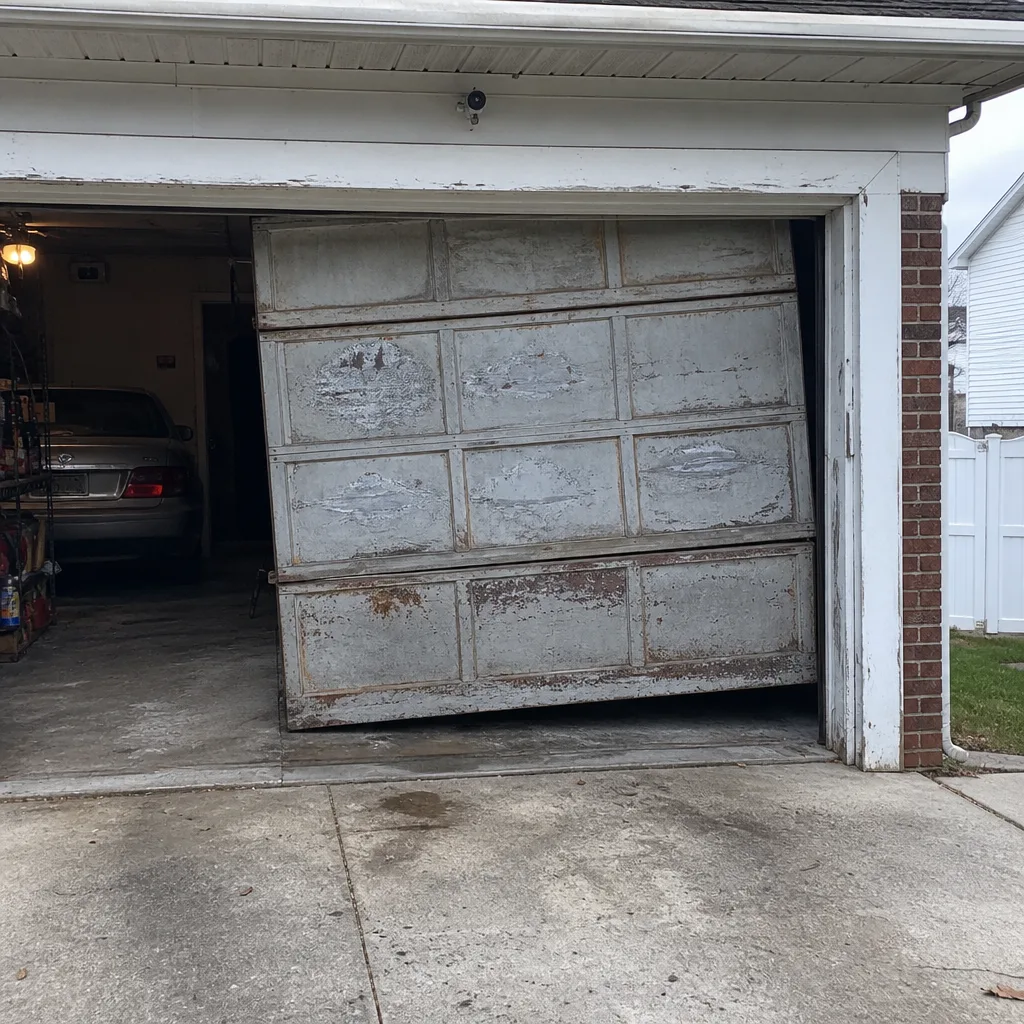 Before
 After
When to Call a Professional
Call a professional when the job involves the opening, header, or framing; when the garage is attached and the fire-rated assembly is in doubt; when a new opener needs new electrical work; or when the job needs a DOB filing and you don’t want to navigate it alone. Also call when the spring has failed or the door is stuck. High-tension torsion and extension springs are one of the most dangerous DIY jobs in the home, and the tools and protocols used to work on them exist for a reason. Cable, spring, and track work should be handled by trained technicians, not by anyone guessing at it.
Elmhurst Garage Door Repair Pros offers free estimates in Elmhurst. Call (877) 554-9033 and we’ll give you a written price on your garage door job. We answer 24/7. Fast dispatch from 7am to 7pm, Sunday through Friday. Closed Saturday. Our technicians have up to 13 years of experience on LiftMaster, Chamberlain, Genie, Clopay, Amarr, Wayne Dalton, Craftsman, and Raynor equipment. Whether the job is a spring failure, an opener repair, or a full door replacement with a permit question, we can give you a straight answer on what’s involved and what it costs. If you want a broader view of how we work, Elmhurst Garage Door Repair Pros covers our full scope.
Frequently Asked Questions
Only when the work touches the structure: the opening, header, framing, jambs, or new electrical work. A like-for-like door swap at the same size typically doesn’t require a DOB filing. Anything that changes the building’s load path or alters the fire-rated assembly does. Call the Queens DOB Borough Office before any structural work starts. For a written quote on your job, call (877) 554-9033. Estimates are free.
An Alt-2 covers structural alterations that don’t change the building’s use or occupancy, which is where most garage door opening and header changes land. A minor alteration covers smaller, limited-scope work. The right filing for your specific job is the DOB’s call, not a contractor’s. Ask the Queens Office directly with your scope in hand.
Section 406 requires fire separation between an attached garage and the living space it’s connected to. The shared wall, the ceiling, and the door between the garage and the house all carry a fire-resistance rating, and the door has to self-close. If you’re replacing that door, it has to be a rated door. If you’re adding an opener to it, the opener can’t defeat the self-close.
It can, and often does. An unpermitted structural change to a garage opening or header shows up during the certificate of occupancy review and the title search, and the buyer’s attorney will typically ask for it to be resolved before closing. That usually means filing retroactively on the work and getting the final inspection signoff. Easier to handle before a sale than during one.
A certificate of insurance, a written scope, a written price, the DOB filing number if a permit applies, and the final inspection signoff when the work is complete. Also ask for the manufacturer documentation on the door and opener. The local pro is licensed and insured as their state requires. If any of these are missing on a job that should have them, that’s the signal to call someone else.
We can flag when a job is likely in permit territory and walk you through what’s involved, and we work on the door and opener side of the job under a written price. The DOB ruling on your property is theirs, not ours, so the permit answer comes from them. Call (877) 554-9033. We answer 24/7. Fast dispatch from 7am to 7pm, Sunday through Friday. Closed Saturday. Estimates are free.
The Bottom Line
The permit question on a garage door job comes down to one line: does the work touch structure. A same-size replacement usually doesn’t. A change to the opening, header, framing, or electrical does. For attached garages in Elmhurst, Section 406 fire separation rules apply on top of that, and the door between the garage and living space is a rated assembly. Get the DOB’s answer on your specific job before work starts, get the certificate of insurance and the filing number in writing, and keep the final inspection signoff with your deed. The paperwork is the difference between a clean sale and a stalled one.
Call (877) 554-9033 for a free estimate on your Elmhurst garage door job. We answer 24/7. Fast dispatch from 7am to 7pm, Sunday through Friday. Closed Saturday. The written price you agree to is the price you pay, quoted before any work starts.
Written by the team at Elmhurst Garage Door Repair Pros.